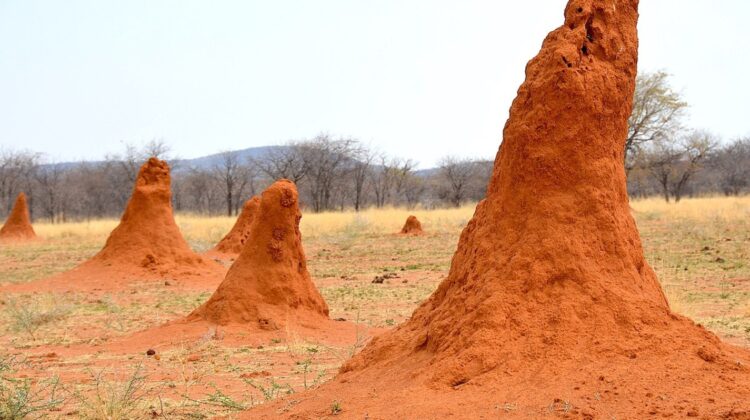
Termites, those industrious insects often associated with structural damage, are now capturing the attention of scientists for an entirely different reason. These tiny creatures are being investigated as a potential renewable energy source, thanks to their remarkable ability to produce hydrogen gas. In fact, they can generate up to 2 liters of hydrogen from consuming just a single sheet of paper, making them one of the most efficient bioreactors on the planet.
While termites may seem like unlikely candidates for renewable energy research, their unique digestive system and microbial symbiosis have caught the interest of scientists seeking sustainable energy solutions. The process by which termites produce hydrogen is an intricate one, involving the fermentation of cellulose in their gut by specialized bacteria and protozoa.

Cellulose, a major component of plant material, is abundant and widely available. Termites, with their ability to break down cellulose through the action of microbial enzymes, can efficiently extract energy from this organic matter. As a result, hydrogen gas is produced as a byproduct of this digestion process.
The potential of termites as bioreactors for hydrogen production holds great promise. Hydrogen is a clean and versatile fuel source that can be used for various applications, including powering vehicles, generating electricity, and storing renewable energy. However, traditional hydrogen production methods often involve fossil fuels or expensive processes. Termites offer an alternative pathway that is both renewable and cost-effective.

Researchers are actively exploring methods to harness and optimize termite-based hydrogen production. By studying the microbial communities in termite guts, scientists aim to identify key enzymes and microbial species involved in the hydrogen generation process. This knowledge can then be utilized to develop biotechnological approaches for large-scale hydrogen production.
While there is still much to learn and refine, the potential of termite bioreactors is highly promising. Their exceptional efficiency in converting cellulose into hydrogen gas showcases their ability to harness renewable resources effectively. This discovery not only provides insights into the intricate workings of termite digestion but also opens up new avenues for sustainable energy production.

It is important to note that this research is still in its early stages, and there are challenges to overcome, such as scaling up the process and ensuring cost-effectiveness. Additionally, the impact on termite populations and their ecosystems must be carefully considered to ensure ecological sustainability.
Nevertheless, the exploration of termites as a renewable energy source highlights the incredible diversity of nature’s solutions. These small insects, often seen as pests, possess an innate capacity to transform organic matter into a valuable fuel. By harnessing their unique abilities, scientists are inching closer to a future where renewable energy sources can be derived from abundant and environmentally friendly resources.

As research continues to unfold, termites may emerge as unexpected heroes in the quest for a sustainable energy future. Their remarkable efficiency in producing hydrogen from cellulose demonstrates the power of nature’s ingenuity, encouraging us to explore and harness the potential of other biological systems in our pursuit of renewable energy solutions.
Leave a Reply