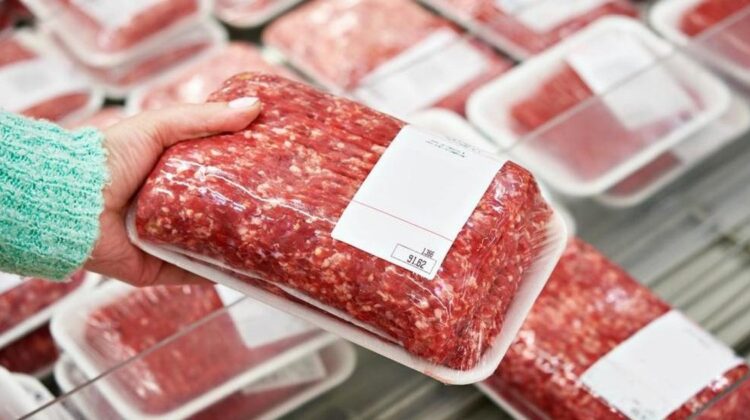
Australians were left questioning the safety of everyday food products after an investigation raised concerns about alleged contamination involving beef mince, bread, and other supermarket items. The claims, which quickly attracted national attention, suggested that some consumers may have unknowingly purchased products containing undeclared ingredients or foreign materials. However, government authorities have strongly disputed some of the most serious allegations.
The controversy began after hundreds of internal documents from the New South Wales Food Authority were obtained using parliamentary powers by NSW Greens MP Abigail Boyd. Speaking during an ABC Four Corners investigation, Boyd said the records revealed numerous food safety incidents involving contaminants that should never appear in products intended for consumers.
Among the issues highlighted were reports of mouse fur found in food products, metal shavings discovered in bread, and dairy ingredients appearing in products that were marketed as dairy-free. Boyd also suggested Australians could have unknowingly eaten horse meat sold as beef or lamb mince, describing the possibility as deeply concerning for consumers who rely on accurate food labeling.
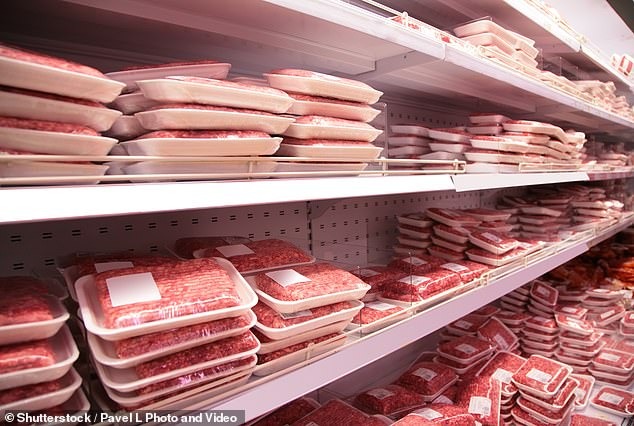
The allegation regarding horse meat quickly became the focus of public debate. In response, the NSW Food Authority issued a firm statement rejecting the claim, saying it had not found horse meat in beef, lamb, or any food intended for human consumption.
Officials described the allegation as misleading and stated there was no evidence supporting claims that horse meat had entered Australia’s food supply disguised as other meats. The authority also called on the ABC to correct reports that suggested otherwise.
The NSW Department of Primary Industries and Regional Development explained that routine surveillance testing is regularly conducted to verify the species used in meat products sold to consumers. According to the department, no incidents involving horse meat being substituted into food products have been detected.

Authorities also noted that while horse meat can legally be sold for human consumption in Australia if processed under strict regulations, there are currently no licensed abattoirs in New South Wales approved to process horses for that purpose.
Although officials rejected the horse meat allegations, the broader investigation highlighted other food safety concerns. Documents reportedly detailed repeated improvement notices issued to businesses including hospitals, catering companies, and aged-care facilities between 2022 and 2026 over issues such as poor hygiene, expired food, improper temperature control, and failures to report dangerous bacteria.
The investigation also examined processed tomato products sold in Australian supermarkets. Laboratory testing reportedly suggested that dozens of tomato paste and passata products did not match the countries of origin stated on their labels, with some products believed to originate from China despite labeling that indicated Australia or Italy. Retailers named in the report disputed the findings.

Food safety experts say incidents involving contamination or inaccurate labeling, even when isolated, demonstrate why continuous inspection, transparent supply chains, and rigorous testing remain essential. Consumer confidence depends heavily on accurate labeling and strict enforcement of food safety standards throughout every stage of production.
While the government insists there is no evidence supporting claims that Australians have been sold horse meat disguised as beef or lamb, the investigation has reignited discussion about food traceability, regulatory oversight, and the importance of quickly addressing potential safety concerns whenever they arise.
Food safety remains one of the most important concerns for consumers worldwide, with increasing attention on food testing, product labeling, contamination prevention, supply chain transparency, and quality assurance. Interest continues to grow in topics such as healthy eating, food recalls, grocery safety, nutrition, kitchen hygiene, organic products, food manufacturing standards, and consumer protection, making reliable information about the food industry valuable for households seeking safer and healthier purchasing decisions.
Leave a Reply