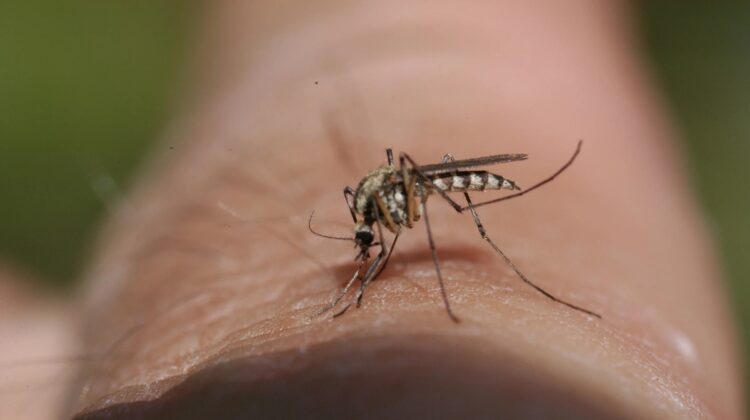
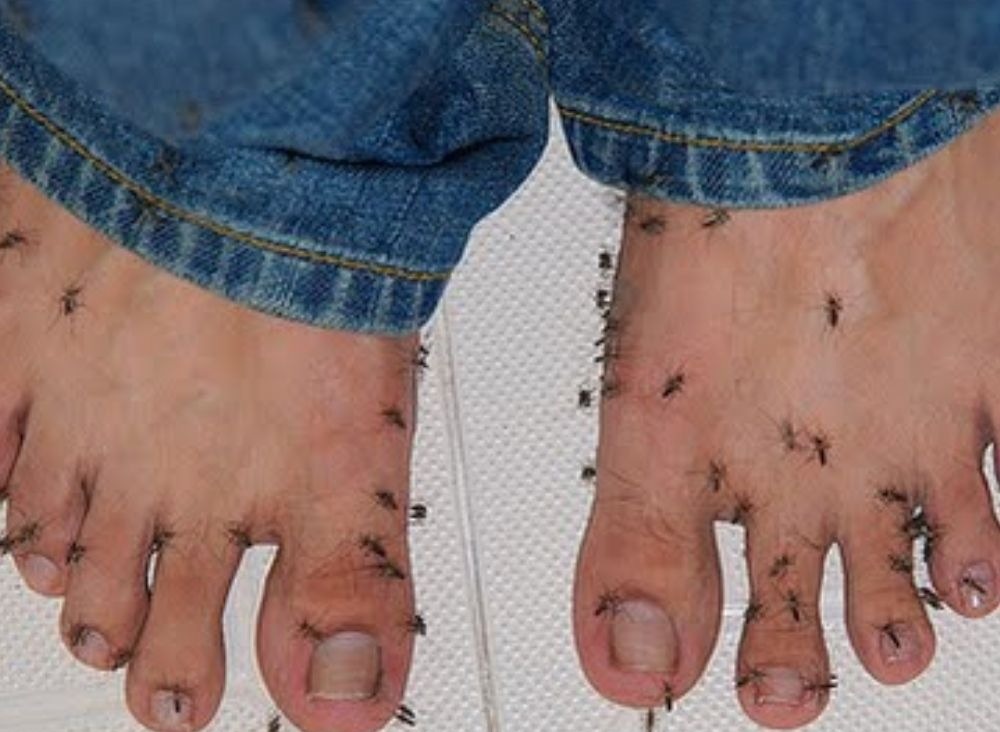
Almost everyone has experienced it: a relaxed evening outdoors ends with one person covered in itchy mosquito bites, while everyone else walks away untouched. No matter the repellent, clothing choice, or precautions taken, mosquitoes seem to single out the same individuals every time.
This isn’t coincidence or bad luck. Scientific research confirms that mosquito attraction is deeply rooted in biology, chemistry, and genetics — and some people naturally send stronger “signals” than others.
Mosquitoes Are Highly Selective
Only female mosquitoes bite humans, and they do so for one reason: blood is essential for egg production. Over thousands of years, mosquitoes have evolved a remarkably precise detection system that helps them locate the most suitable hosts.
The human body constantly emits invisible cues — chemical and physical — that mosquitoes can sense from a distance. Some individuals simply broadcast stronger cues, making them easier targets.
Carbon Dioxide: The Primary Beacon
Carbon dioxide (CO₂) is the strongest attractant mosquitoes follow. Every exhale releases CO₂, and mosquitoes can detect it from impressive distances.
People who are taller, have higher body mass, or breathe more heavily — such as during physical activity — release more CO₂. Combined with body heat, this creates a clear trail that mosquitoes instinctively follow.
Skin Bacteria and Natural Body Odor
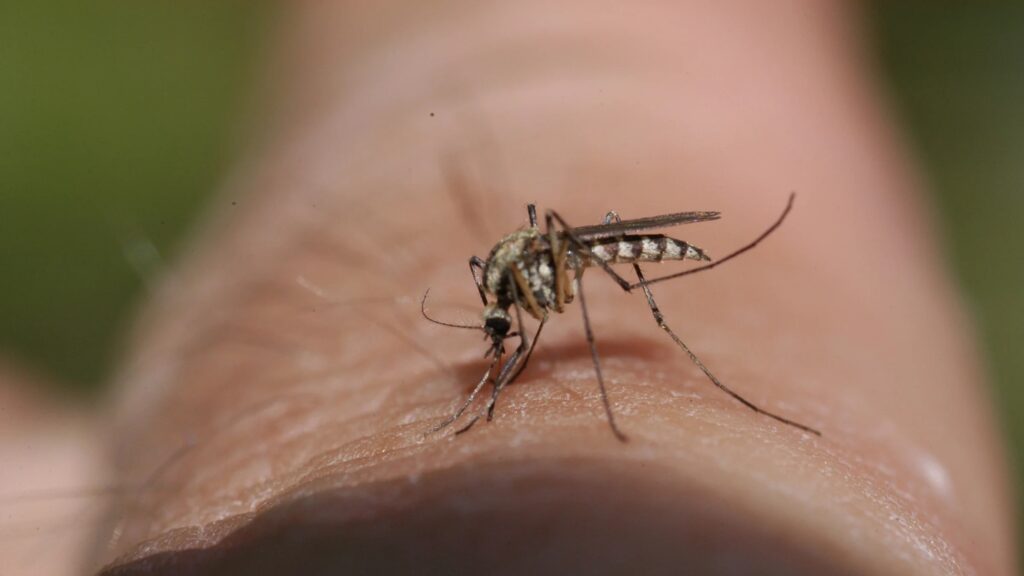
Human skin hosts millions of bacteria that break down sweat and oils, producing unique chemical signatures. These scent profiles vary from person to person.
Certain combinations of these chemicals are especially attractive to mosquitoes. This has nothing to do with hygiene — it’s purely biological and largely beyond conscious control.
Blood Type Plays a Role
Studies have consistently shown that blood type influences mosquito behavior. People with type O blood are bitten more frequently, while those with type A tend to attract fewer mosquitoes.
Some individuals also secrete chemical indicators through their skin that make their blood type easier for mosquitoes to identify.
Sweat, Lactic Acid, and Physical Activity
Exercise increases mosquito attraction for several reasons. Sweating releases lactic acid, while elevated body temperature and increased respiration amplify other signals.
This explains why mosquito bites often spike after workouts, outdoor labor, or long walks in warm weather.
Clothing Color and Visual Cues
Mosquitoes rely not only on scent but also on sight. Dark colors such as black, navy, and red create strong contrast and make movement easier to detect.
Light-colored clothing reflects more light, helping people blend into their surroundings and reducing visual attraction.
Alcohol, Hormones, and Fragrances
Alcohol consumption has been shown to increase mosquito attraction, likely due to changes in body temperature and metabolic byproducts released through the skin.
Hormonal changes — including pregnancy, menstruation, or heightened stress — can subtly alter body odor, increasing attractiveness to mosquitoes.
Fragrances and skincare products may worsen the problem. Floral and fruity scents can mimic natural plant compounds mosquitoes associate with food, while certain cosmetics alter skin pH in ways that enhance attraction.
Genetics: The Unavoidable Factor
Genetics plays the largest role of all. Scientists estimate that 60–70% of mosquito attraction is determined by DNA.
This explains why some people are consistently targeted no matter what they do. It’s not personal — it’s inherited chemistry that mosquitoes are evolutionarily programmed to seek.
Environment and Climate Influence Exposure
Mosquito activity increases in warm, humid environments, especially at dawn and dusk. Living near standing water or in tropical and subtropical regions naturally raises exposure levels.
How to Reduce Mosquito Bites
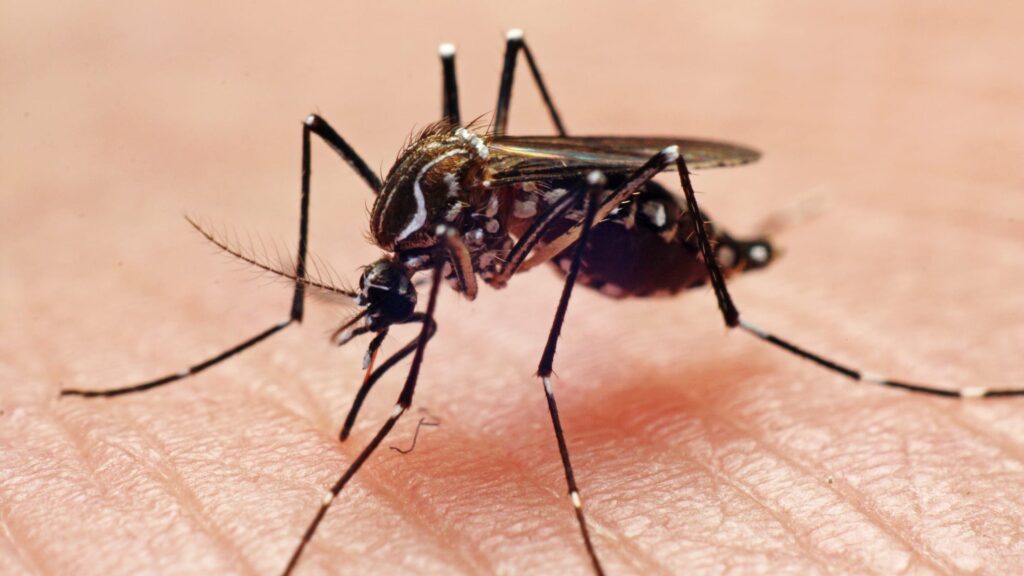
While biology can’t be changed, exposure can be minimized by:
- Using proven insect repellents
- Wearing light-colored, breathable clothing
- Avoiding outdoor activity during peak mosquito hours
- Removing standing water near homes
Understanding why mosquitoes prefer certain people turns frustration into clarity. Being bitten more often isn’t a flaw — it’s simply biology interacting with the environment exactly as nature designed it.
Why Mosquito Control Matters
Mosquitoes are more than a nuisance. Effective mosquito management plays a critical role in public health, environmental safety, and sustainable living, reducing the spread of vector-borne diseases and improving quality of life in residential and agricultural areas alike.
Leave a Reply