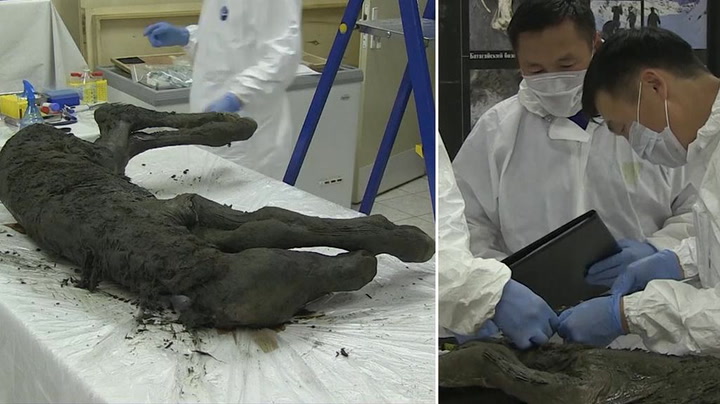
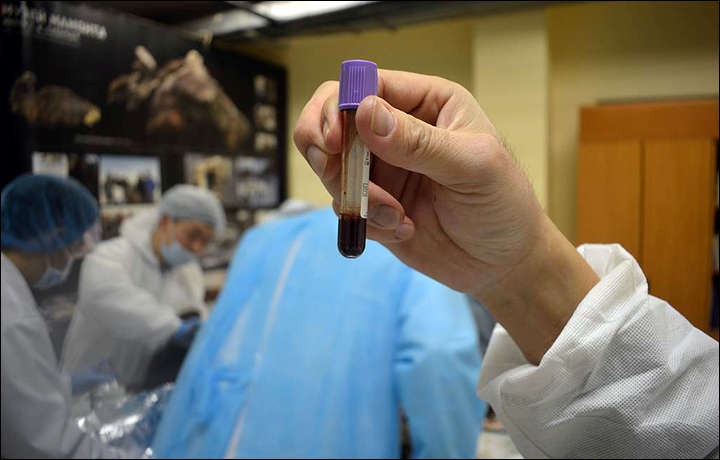
In a remarkable breakthrough, scientists have achieved the retrieval of liquid blood from a mummified foal, believed to be the oldest blood sample ever discovered. The 42,000-year-old extinct baby horse, found remarkably well-preserved in Siberia’s Batagaika crater, has ignited hopes of not only understanding ancient species but potentially bringing them back to life through cloning.
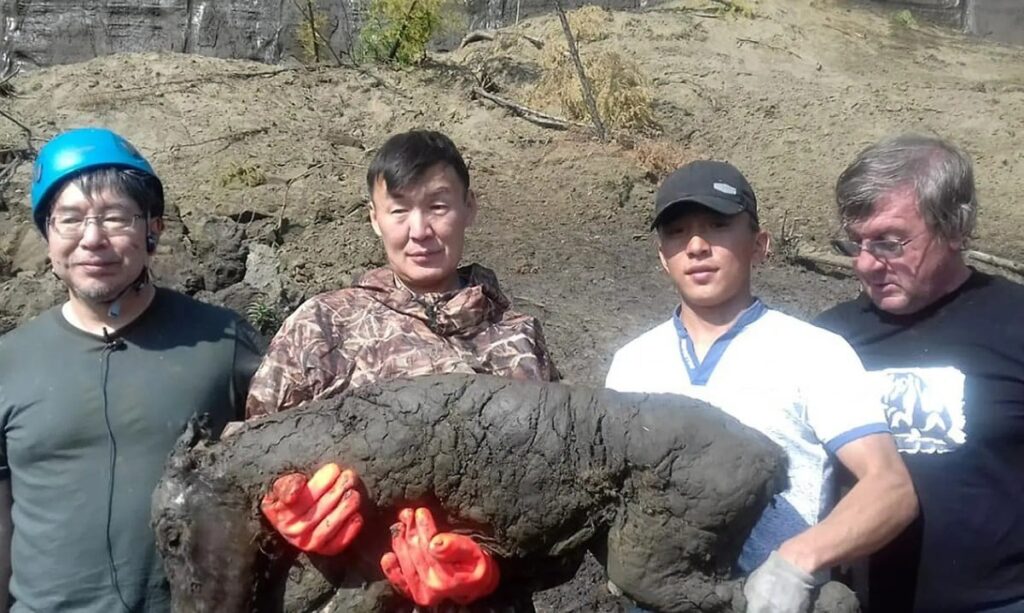
The tiny foal, a mere one or two weeks old when it perished, has provided an unprecedented glimpse into the past. Its pristine condition, including preserved hair and well-maintained internal organs, has captivated researchers. The discovery of liquid blood samples from the foal’s heart vessels is being hailed as the “oldest blood in the world,” a testament to the favorable burial conditions and permafrost in which it lay undisturbed for millennia.
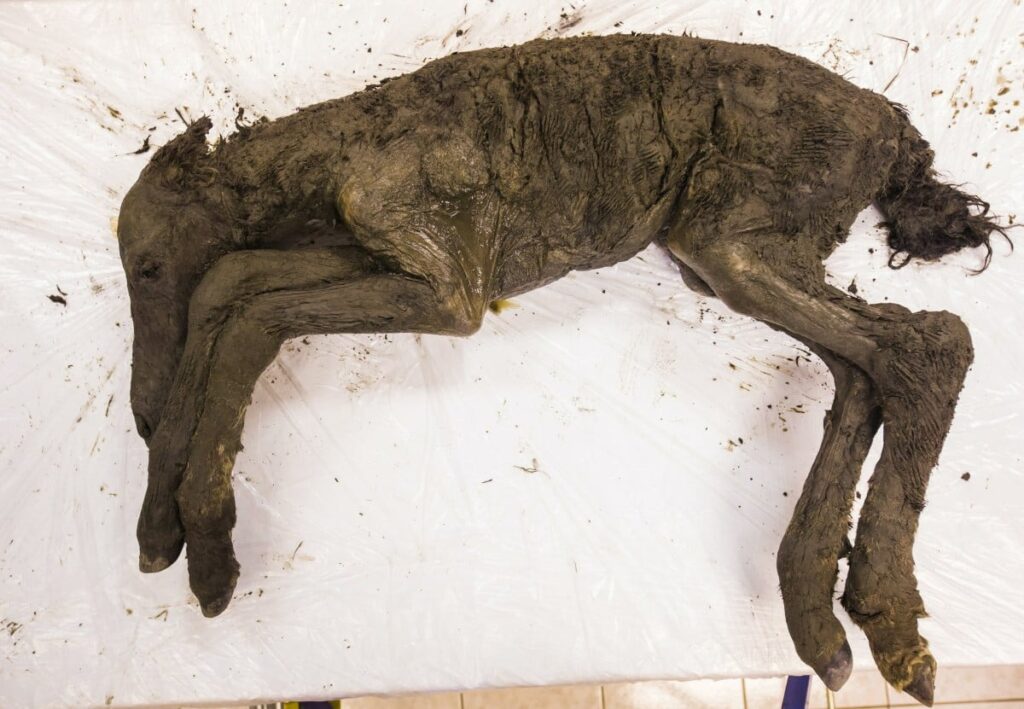
Dr. Semyon Grigoryev, head of the North-Eastern Federal University’s Mammoth Museum, described the find as the “best preserved Ice Age animal ever found in the world,” highlighting the natural reddish color retained by the muscle tissues.
The implications of this discovery go beyond scientific curiosity. Researchers are now setting their sights on the ambitious goal of cloning the Lenskaya species of prehistoric horse to which the foal belonged. The success of this endeavor could mark a crucial step toward achieving an even more monumental task – the resurrection of the woolly mammoth.
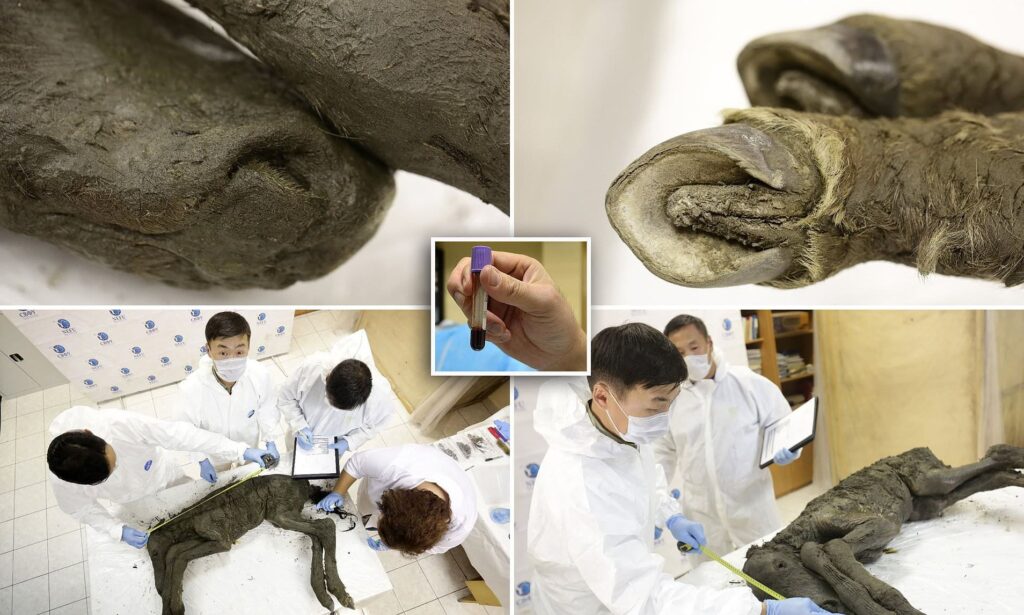
Confidence is high among the international team of scientists from the North-Eastern Federal University and the South Korean Sooam Biotech Research Foundation. They express optimism about extracting viable cells from the foal to clone the Lenskaya breed back to life. The process involves selecting a suitable mother for the historic role of giving birth to the cloned species.
Michil Yakovlev, editor of the university’s corporate media, anticipates that the world may soon witness the clone of the ancient foal that lived 42,000 years ago. However, the road to cloning ancient species is laden with technical and ethical challenges.
While scientists express confidence in their ability to extract viable cells from the ancient DNA, the task has never been successfully accomplished before. Even if partial DNA reconstruction is achieved, sequencing the complete genome of an extinct animal remains nearly impossible. The most viable method involves inserting the partial genes into the living embryo of a close-living relative. For the Lenskaya horse, the Korean horse, a successor to the Mongolian horse, has been chosen.
The scientists acknowledge previous unsuccessful attempts but remain steadfast in their optimism, asserting that success is on the horizon. As the prospect of resurrecting long-extinct animals inches closer to reality, the ethical considerations surrounding such endeavors become increasingly significant. The question arises: are scientists so engrossed in determining whether they can bring extinct species back to life that they overlook the ethical implications of whether they should? The fascinating journey into the past may not only reshape our understanding of ancient life but also force us to contemplate the boundaries of scientific intervention in the natural order.
Leave a Reply