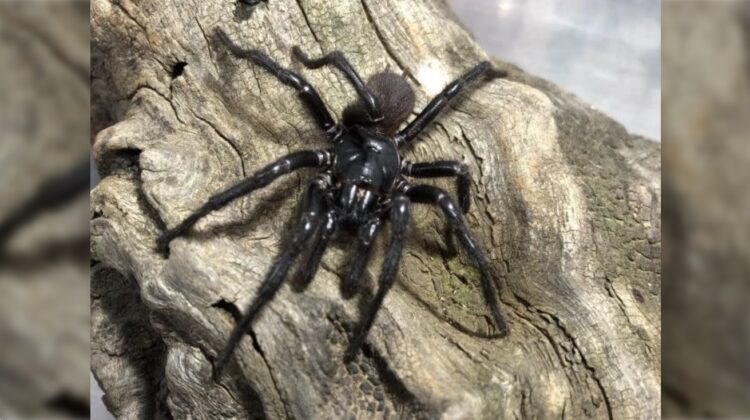
Almost every Australian is taught, from a very young age, to be cautious around the funnel-web spider. These large, black, aggressive arachnids can be found along the eastern coast of the continent, making their homes in web-lined burrows. They also, through some quirk of evolution, secrete a venom more deadly to humans than any other spider.
The Secret Revealed:
There are dozens of funnel-web species in Australia, but the most venomous of the bunch is the Sydney funnel-web (Atrax robustus), an arachnid that lives along the coastline of New South Wales. Well, except maybe that’s not quite true. A new, in-depth study of the spider has discovered that what we thought was one species is actually three.
Implications of the Discovery:
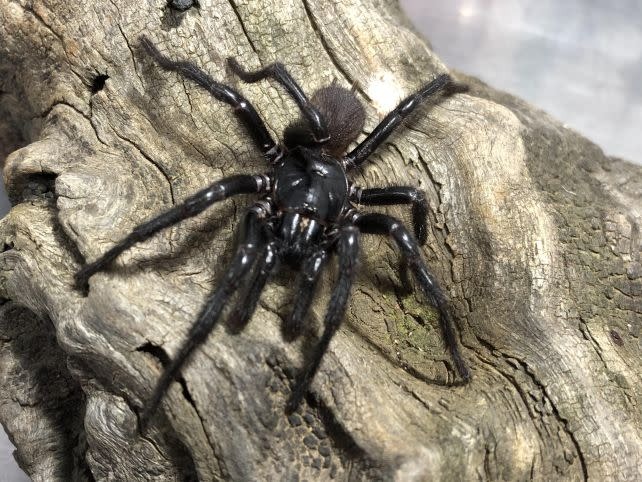
This means there are two new species of the world’s most venomous spider, but the discovery is actually good news: it will allow scientists to better characterize and understand the venom each species produces.
Understanding the Diversity:
The group of spiders formerly known as A. robustus had posed something of a puzzle to scientists for some time. Although they were all lumped together, there seemed to be some regional variation in what they looked like, with particularly large specimens found to the north of Sydney in the Newcastle region, including the largest male attributed to the species ever seen, an absolute unit nicknamed Big Boy.
Genetic Analysis Reveals New Species:
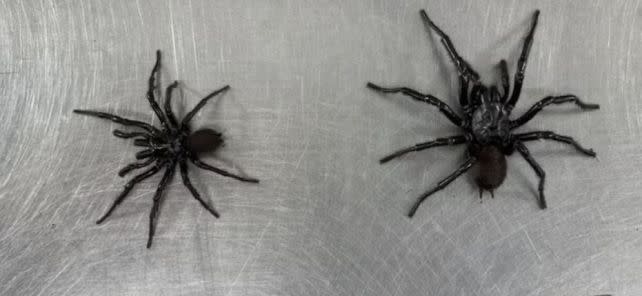
Led by arachnologist Stephanie Loria of the Leibniz Institute for the Analysis of Biodiversity Change in Germany, a team of researchers decided to get to the bottom of this diversity. Performing genetic analysis of the spiders, they found that what we had previously called A. robustus included two other species – and, in turn, they were able to characterize the habitat range of each.
- Sydney Funnel-web (Atrax robustus): Primarily found around the Sydney area.
- Southern Sydney Funnel-web (Atrax montanus): Dwells further to the south and west.
- Newcastle Funnel-web (Atrax christenseni): Inhabits the region north of Sydney, home to the largest specimens.
The Importance of Species Differentiation:
Being able to sort these spiders into their appropriate species will make a huge difference to understanding their deadly venom – which, for some reason, is only dangerous to the small creatures upon which it preys, and primates, including humans.
- Antivenom Development: The new discovery could help tweak the existing antivenom, which is highly effective but could be further refined based on species-specific venom variations.
- Pharmaceutical and Pesticide Applications: Funnel-web venom has potential applications in various fields. Understanding the variations in venom across species can aid in more efficient venom milking and utilization.
Conservation Concerns:
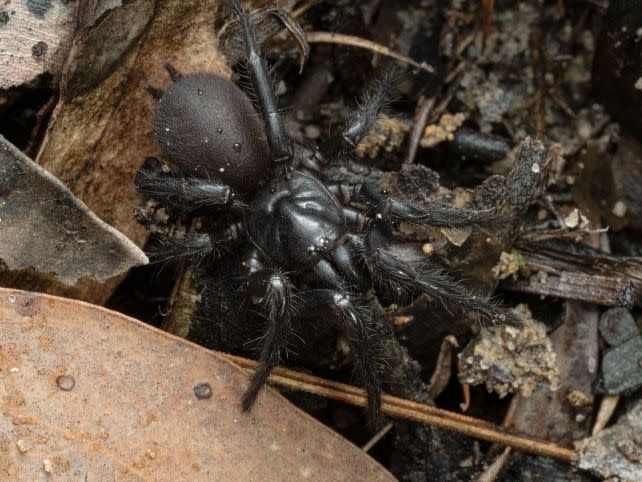
Funnel-web numbers appear to be on the decline. Although they might be scary to humans, these spiders play an important role in the environments they inhabit. A better understanding of the differences between them will help scientists trying to protect them from the threats they themselves face in a changing world.
The discovery of three distinct species within what was previously considered a single funnel-web species has significant implications for our understanding of these deadly arachnids. This knowledge will not only improve our ability to treat funnel-web bites but also contribute to advancements in various scientific fields and aid in the conservation of these fascinating creatures.
Leave a Reply