
A compassionate guide to recognizing changes and offering comfort
Cats are far more than pets. They are quiet companions, witnesses to our daily lives, and members of the family. Their presence brings warmth, routine, and a unique kind of comfort. And because of that bond, facing the final chapter of a cat’s life can be emotionally overwhelming.
Cats are remarkably skilled at masking pain and weakness. This instinct often makes it difficult for caregivers to recognize when something is seriously wrong. Understanding the physical and behavioral changes that may appear toward the end of life can help you provide comfort, dignity, and peace during your cat’s final days.
Below are common signs—both subtle and more noticeable—that may indicate a cat is approaching the end of life.
1. Increased Hiding or Withdrawal
Cats instinctively seek solitude when they feel weak or vulnerable. A cat who begins hiding under furniture, inside closets, or in quiet corners may be responding to discomfort or declining strength. Even well-socialized indoor cats retain this natural behavior.
2. Noticeable Loss of Appetite and Thirst
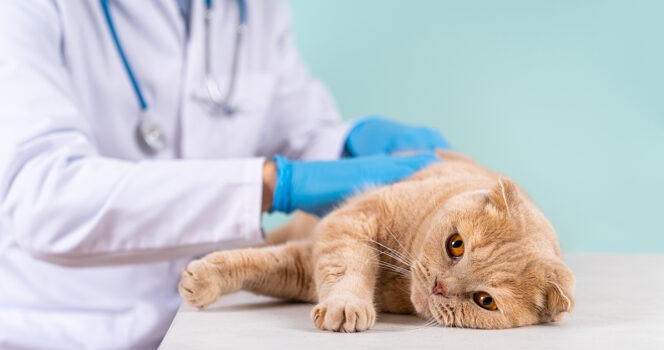
A gradual or sudden refusal to eat or drink is one of the clearest signs of physical decline. As the body slows down, the desire for food and water naturally decreases. While distressing to witness, this process is often part of the body’s preparation for rest.
3. Sleeping Much More Than Usual
Cats nearing the end of life often spend most of their time resting. Energy levels drop, movement becomes limited, and long periods of sleep replace normal daily activity.
4. Changes in Breathing
Breathing may become shallow, irregular, or labored. Some cats breathe more slowly, while others show pauses between breaths. These changes usually reflect reduced organ function and physical fatigue.
5. Loss of Interest in People and Surroundings

A cat who once responded to voices, play, or touch may appear distant or unresponsive. This withdrawal can include reduced eye contact, less vocalization, and minimal reaction to familiar stimuli.
6. Dull, Ungroomed Coat
When a cat no longer has the strength to groom itself, the coat may become rough, matted, or greasy. This change is often one of the more visible signs of declining health.
7. Difficulty Walking or Maintaining Balance
Weakness, stiffness, or neurological decline may cause unsteady movement. Jumping, climbing, or even walking short distances can become difficult or impossible.
8. Shifts in Behavior or Attachment
Some cats become more withdrawn, while others grow unusually affectionate. Increased clinginess—such as following you constantly or seeking prolonged physical contact—may reflect a need for reassurance and security.
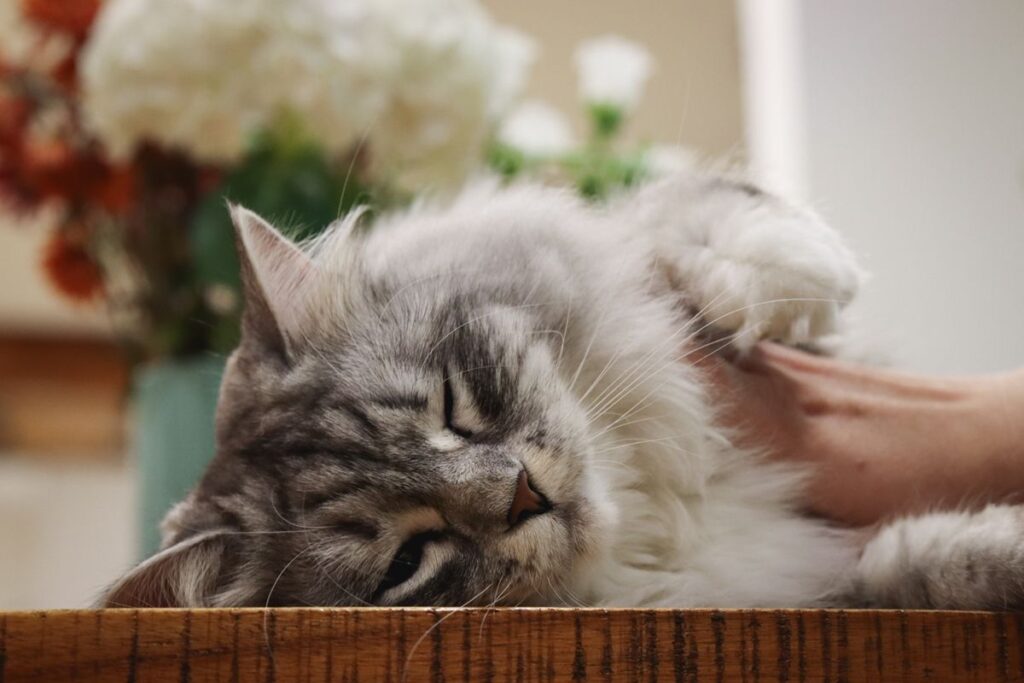
9. Nausea or Vomiting
Digestive discomfort can appear as vomiting, excessive drooling, repeated swallowing, or turning away from food. These symptoms often indicate internal stress or organ decline.
10. Digestive Irregularities
Diarrhea or constipation may occur as the digestive system weakens. Comfort becomes the priority—access to water, a clean litter area, and a quiet environment can help reduce stress.
11. Changes in Body Temperature
A cat’s normal body temperature ranges from approximately 38–39.3°C (100–102.7°F). Near the end of life, temperature may drop or fluctuate, sometimes accompanied by cold paws or ears.

When to Consult a Veterinarian
Witnessing these changes is emotionally difficult, but professional guidance is essential. A veterinarian can help assess your cat’s condition, manage pain, and discuss comfort-focused care options. In many cases, supportive or palliative care can significantly improve your cat’s quality of life during their remaining time.
Final Reflection
Saying goodbye to a beloved cat is one of the hardest responsibilities of loving them. While you cannot stop time, you can ensure that their final days are filled with calm, familiarity, and compassion. Being present, gentle, and attentive is often the greatest gift you can offer.
Caring for Aging Pets: A Gentle Reminder
As pets age, their needs change. Quiet spaces, soft bedding, regular veterinary checkups, and age-appropriate nutrition can make a meaningful difference. Learning to recognize subtle changes early helps owners make informed decisions that prioritize comfort, dignity, and trust.
Leave a Reply