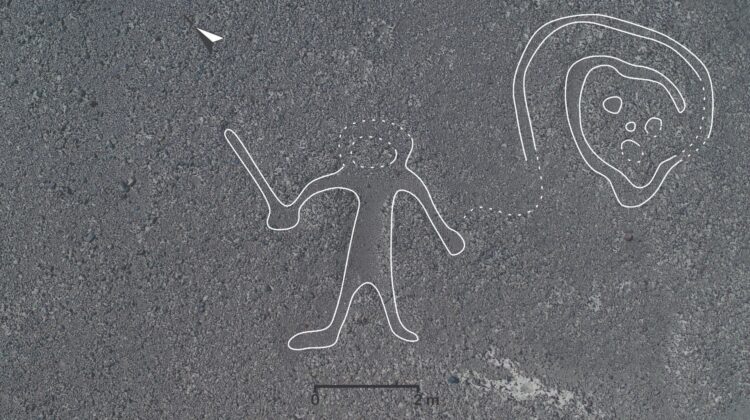
In a fascinating archaeological breakthrough, experts have stumbled upon 168 previously unseen Nazca lines, amplifying the total count to a staggering 358.
Building upon the revelation of a sizable, notably plump feline figure in 2020, a dedicated team from Yamagata University has unearthed a plethora of additional engravings, dating back over 2000 years, at the renowned Nazca Lines site in Peru. These enigmatic geoglyphs, crafted by the ancient Nazca civilization, continue to captivate the imagination as they sprawl across the Peruvian desert landscape.
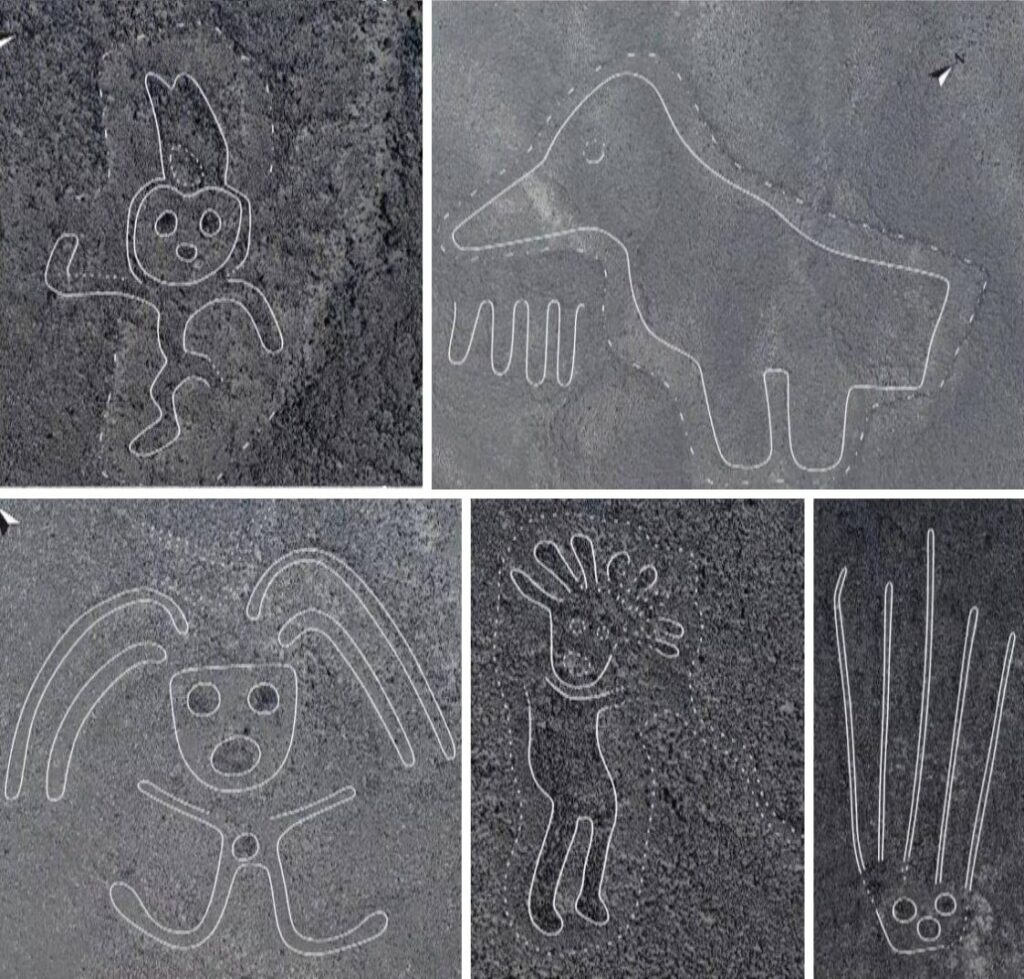
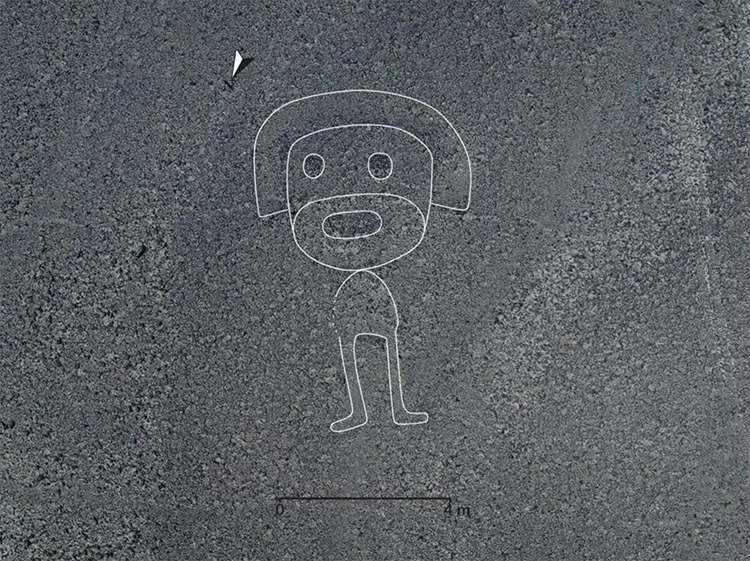
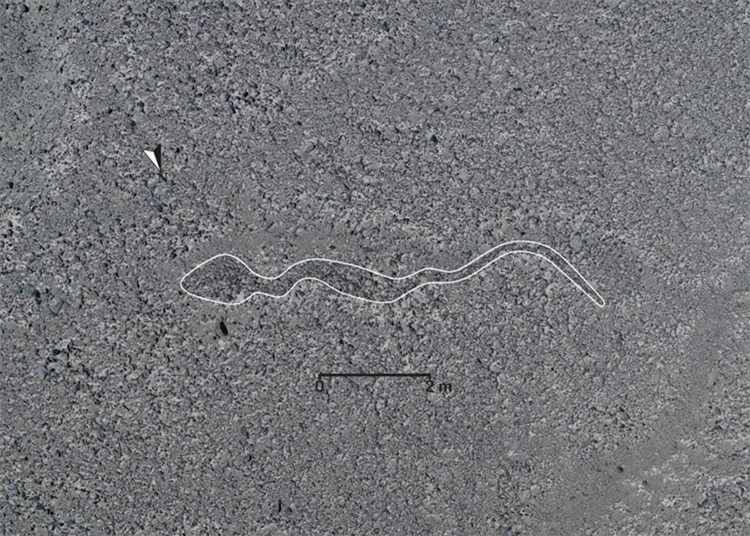
For nearly a decade, the research team has meticulously combed through the terrain, situated 250 miles south of Lima. Their painstaking efforts culminated in a groundbreaking field study conducted between June 2019 and February 2020, during which they uncovered 168 previously obscured depictions. Employing cutting-edge technology, including aerial drones, the team revealed an array of intricate designs featuring avian motifs, serpentine forms, majestic orcas, and even human figures—some reminiscent of playful children, as depicted above.
The newly unveiled geoglyphs encompass two distinct categories: linear and relief, with only a handful of the documented glyphs falling under the former classification. Notably, many of the recently discovered drawings exhibit relatively diminutive dimensions compared to their counterparts, rendering them discernible even from ground level.
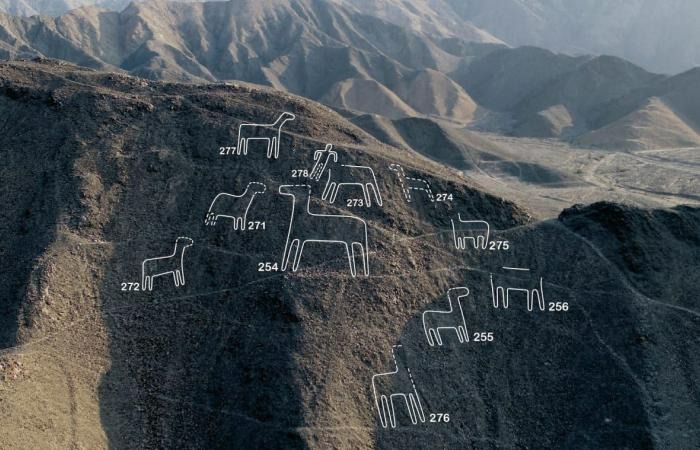
Crafted through the deliberate displacement of dark rocks to expose the contrasting hues of the underlying soil, these geoglyphs are strategically positioned along ancient Nazca pathways, hinting at their potential ceremonial or navigational significance.
While scholarly debates persist regarding the precise age of these enigmatic creations, prevailing estimates suggest they were likely fashioned between 100 BCE and 300 CE, coinciding with the heyday of the Nazca civilization. However, the exact chronology remains a subject of contention, given the relatively transient nature of Nazca habitation in the region, spanning from around 600 BCE to 200 BCE.
This chronological variance, while perplexing, is not uncommon within the realm of archaeological inquiry, underscoring the complexities inherent in piecing together humanity’s distant past.
The true purpose behind the Nazca geoglyphs continues to elude definitive explanation, giving rise to a myriad of conjectures and hypotheses. Some speculate that these sprawling designs served practical functions, such as irrigation or astronomical calendars, while others posit a religious or ritualistic significance, perhaps invoking the deities revered by the Nazca culture.
Critics of the irrigation theory point to the Nazca people’s proven capability in constructing sophisticated irrigation networks—albeit several centuries later—highlighting the impracticality of attributing the geoglyphs solely to agricultural purposes.
The preservation of these ancient marvels poses a formidable challenge, compounded by encroachments from modern urbanization and industrial activities, including mining ventures. Ensuring the meticulous study and conservation of the Nazca lines remains imperative, offering hope that one day we may unravel the enigma shrouding these timeless testaments to human ingenuity and creativity.
Leave a Reply