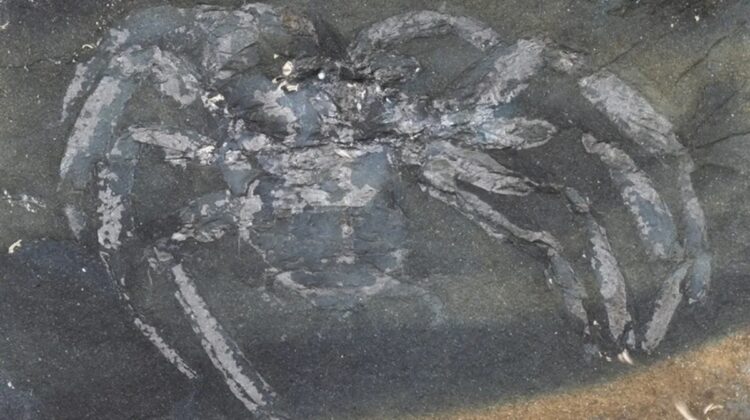
The world of paleontology never fails to amaze us with its stunning revelations from the distant past. Recently, a significant finding in Germany has added a new chapter to the history of arachnids. An ancient arachnid fossil, dating back a staggering 310 to 315 million years, has been identified as the oldest known spider ever found in Germany.
The fossil was unearthed from the Late Carboniferous strata of Piesberg near Osnabrück in Lower Saxony, Germany. It was discovered a few years ago and caught the attention of Dr. Jason Dunlop, a renowned fossil arachnid expert from the Museum für Naturkunde in Berlin. In his recent study, Dr. Dunlop has shed light on the extraordinary identity of this enigmatic specimen.
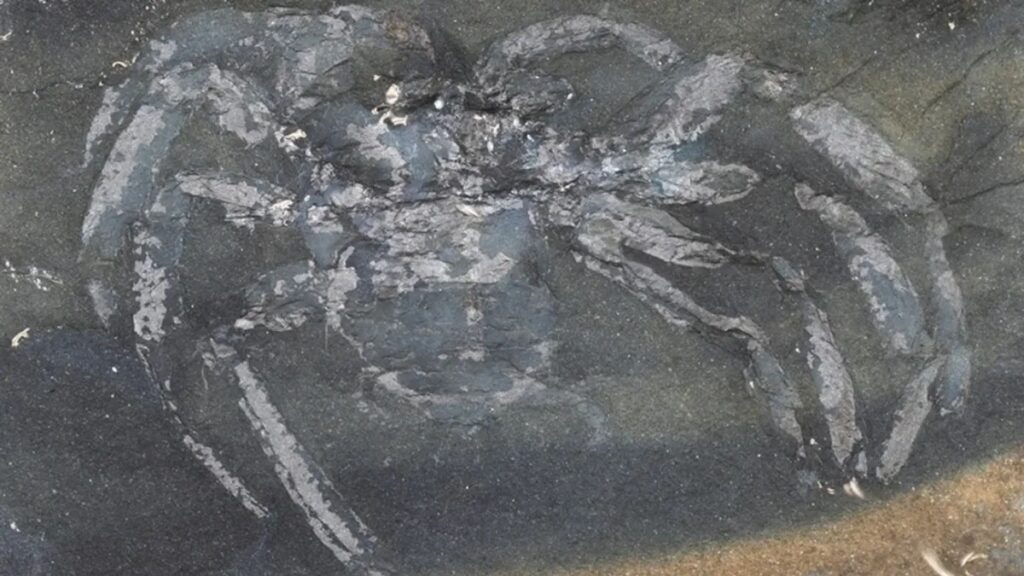
The newly identified species has been named Arthrolycosa wolterbeeki, a tribute to its discoverer, Dr. Tim Wolterbeek, a geosciences researcher at Universiteit Utrecht. This remarkable finding marks the first Palaeozoic spider ever discovered in Germany, making it a significant addition to the world of arachnology.
What sets A. wolterbeeki apart from its ancient arachnid counterparts is its classification as a “true spider” from the order Araneae. This distinguishes it from earlier spider-like arachnid groups such as the Trigonotarbids. The presence of well-preserved spinnerets, a defining characteristic of true spiders, further confirms its identity.
Despite its astonishing age, the fossilized spider is incredibly well-preserved, nearly complete in its form. Among the sparse Carboniferous spider species in the fossil record, A. wolterbeeki stands out as one of only twelve confidently assigned to Araneae.
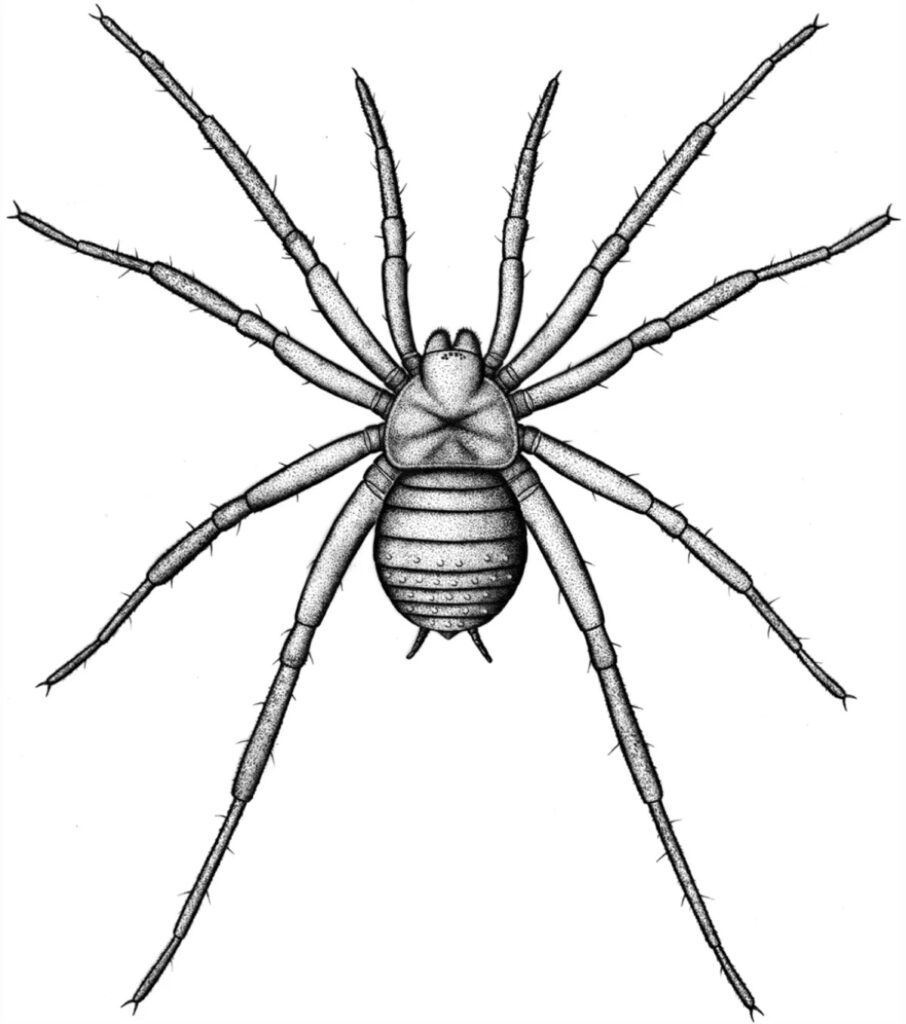
The limited diversity of Carboniferous spider species raises interesting questions about their ecological niche and lifestyle. The similarities between A. wolterbeeki and extant mesothele spiders, known for their burrow-dwelling habits, suggest that these ancient spiders might have faced challenges in terms of fossilization. Their preference for terrestrial habitats with limited exposure to water could explain the scarcity of their fossils.
The absence of male palpal organs in the fossil record also raises intriguing questions. Male spiders, typically more mobile than their sedentary female counterparts, would be expected to have a higher likelihood of preservation. However, the lack of preserved male organs among Carboniferous spiders remains a mystery.
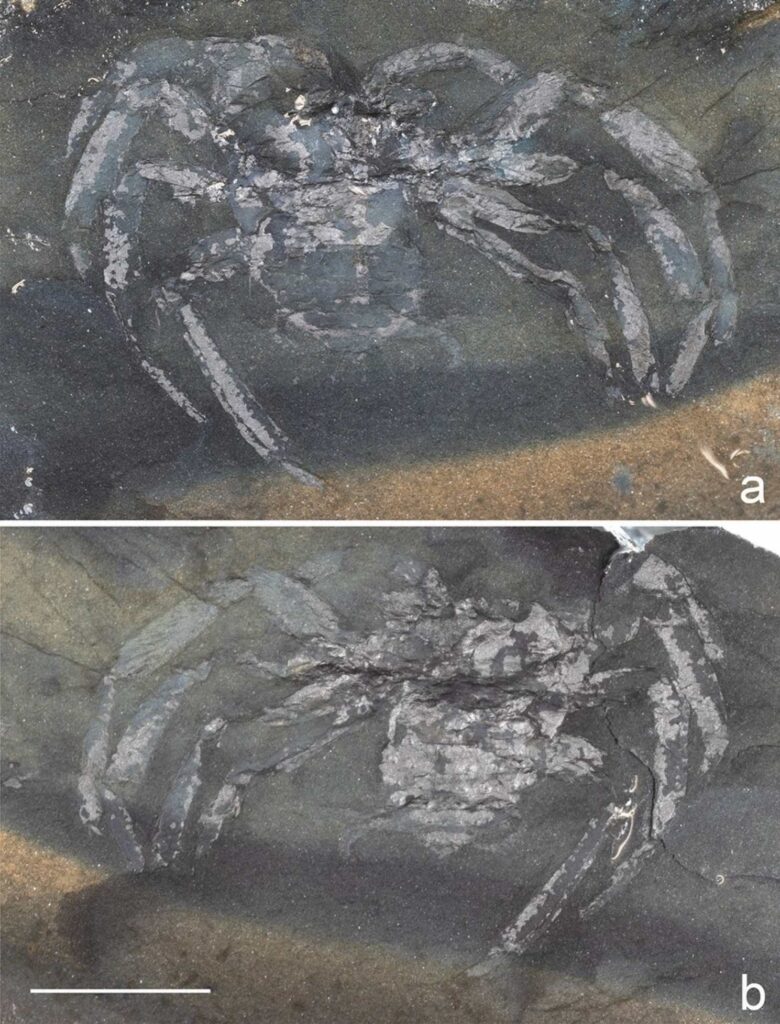
The fossil from Piesberg now holds a special place as a significant holotype of Araneae, contributing valuable insights into the ancient history of spiders. Moreover, it serves as a reminder that scientific discoveries often lead researchers beyond their primary discipline, as Dr. Wolterbeek expressed in his journey of discovery.
This extraordinary finding not only enriches our knowledge of prehistoric arachnids but also highlights the enduring curiosity of scientists who continuously uncover the secrets of our planet’s ancient past. The world of paleontology remains an ever-evolving realm of fascination, offering us glimpses into the distant past and sparking wonder about the ancient creatures that once roamed the Earth.
Leave a Reply