
• Skip to main content
  • Skip to primary sidebar
  • Skip to footer
  • Home
  • About Us
  • Copyright Report
  • Submit Content
  • Terms
  • Privacy Policy
  • Legal Disclaimer

Hasan Jasim

Hasan Jasim is a place where you may get entertainment, viral videos, trending material, and breaking news. For a social generation, we are the largest community on the planet.

37 Percent Of US Dog Owners Think Vaccines Will Give Their Dog Autism

by Hasan Jasim Editorial Team Leave a Comment

ShareTweet

Vaccine hesitancy has gone, quite literally, to the dogs. A new study has found that dog owners in the US have become increasingly skeptical of vaccinating their canine companions.

The growth of the anti-vax movement was one of the most notable outcomes of the COVID-19 pandemic, even reaching the point where social media platforms had to expand their medical misinformation policies to cover all vaccines. According to new research, vaccine hesitancy may now have spread to dog ownership too.

Dogs are the most popular pets in the US — 45 percent of American households own one. Most states in the US also require these furry friends to be vaccinated against rabies, a serious infection that can affect both dogs and humans.
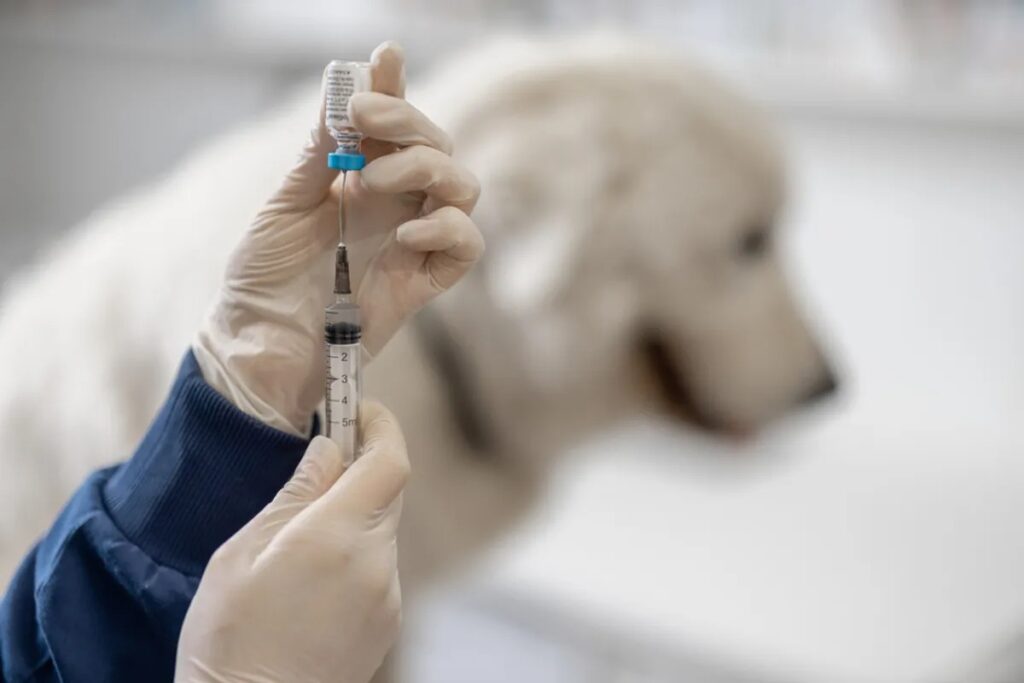
Some dog owners have become wary about vaccinating their fluffy friends.
Image Credit: RossHelen/Shutterstock.com

Researchers found that 30 percent of the 2,200 dog owners surveyed believed that canine vaccines were medically unnecessary and more than 20 percent believed that they were ineffective. Nearly 40 percent believed dog vaccinations to be unsafe, with a staggering 37 percent expressing the belief that some vaccines could even cause “canine autism”, despite no scientific evidence for vaccines causing this in dogs or humans.

In total, over half of the dog owners surveyed expressed some degree of canine vaccine hesitancy. The survey also found evidence of a “spillover” effect: those who already had negative views about vaccinations in humans were more likely to hold a negative opinion towards vaccinating their dogs, too. This could have significant implications for dogs and humans alike.

“If non-vaccination were to become more common, our pets, vets, and even our friends and family risk coming into contact with vaccine-preventable diseases,” said the study’s lead, Matt Motta, in a statement.

Once a dog contracts rabies, for example, things can quickly get nasty. Affecting the central nervous system, the viral infection can lead to aggressive behavior, progressive paralysis, seizures, and eventually, death. As rabies is a zoonotic virus, humans who get bitten by an infected dog can also be infected. The prospects are grim for people too — canine-mediated rabies kills an estimated 59,000 people globally each year.
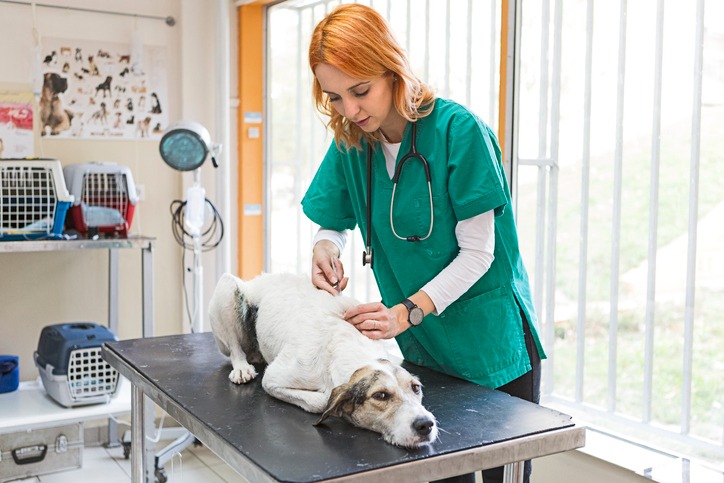
The study highlighted the particular risk of non-vaccination to veterinary healthcare providers.

“When a staff member is bitten by an animal, there is always concern for infection or trauma, but the seriousness of the situation escalates if the animal is unvaccinated or overdue for its rabies vaccine,” said study co-author Gabriella Motta.

The authors highlighted some limitations to their research, including that the method used to measure vaccine hesitancy was only one of many. They hope that future studies will expand upon the current findings and provide further evidence as to how widespread pet anti-vax beliefs have become.

Filed Under: Trends Worldwide Tagged With: Animal Vaccines, Anti-Vax Movement, Canine Autism, dog health, Dog Vaccines, Misinformation, pet care, pet health, public health, Rabies, Science, Vaccine Hesitancy, Veterinary Healthcare, Veterinary Medicine

Reader Interactions

Leave a Reply Cancel reply

Your email address will not be published. Required fields are marked *

Primary Sidebar

More to See

The Artist Collects Fallen Flowers and Arranges Them into Exquisite Portraits of Animals and Insects

By Hasan Jasim Editorial Team

Chilling Last Words of a Trainer Killed by Killer Whales

By Hasan Jasim Editorial Team

The Tired Boy And His Cow Lose At The Dairy Fair, Fall Asleep And Win The Internet

By Hasan Jasim Editorial Team

Meet Jonathan, the World’s Oldest-Known Animal

By Hasan Jasim Editorial Team

Are 18 or 20 inch wheels better?

By Hasan Jasim Editorial Team

In Poland, Pranksters Dressed Up a Dog as a Giant Spider to Scare People

By Hasan Jasim Editorial Team

Belle the Hippo: A Symbol of Hope and Resilience in Leningrad

By Hasan Jasim Editorial Team

Footer

ABOUT HASANJASIM.ONLINE

Hasanjasim.online is a digital platform dedicated to publishing well-researched articles about the animal kingdom, nature, and the environment. Our editorial team works to source stories from credible outlets, scientific research, and verified reports, aiming to inform as much as we entertain. From wildlife conservation and animal behavior to natural wonders and environmental science, we cover the topics that help readers better understand and appreciate the natural world. Whether you're a lifelong nature lover or simply curious about the planet we share, Hasanjasim.online aims to be a trustworthy destination for stories worth reading — and worth citing.

Recent

  • More Than 40 Parakeets Killed in London Park as Catapult Attacks on Animals Raise Concern
  • Poacher Dies After Elephant Herd Charges During Attempt to Hunt White Rhino
  • Images Showed a Starving, 70-Year-Old Elephant Forced to Walk Miles for a Festival — Here’s What Happened Next
  • Dog Surrendered To Shelter With His Bed And All His Toys
  • Euphorbia Hirta (Asthma-Plant): Traditional Uses, Preparation Methods, and Safety Guide
  • What Gelatin Actually Is — and How It Ends Up in Gummy Bears
  • Two Minnesota Solar Farms Turned the Ground Beneath Their Panels Into Habitat — and Native Bees Increased 20-Fold

Search