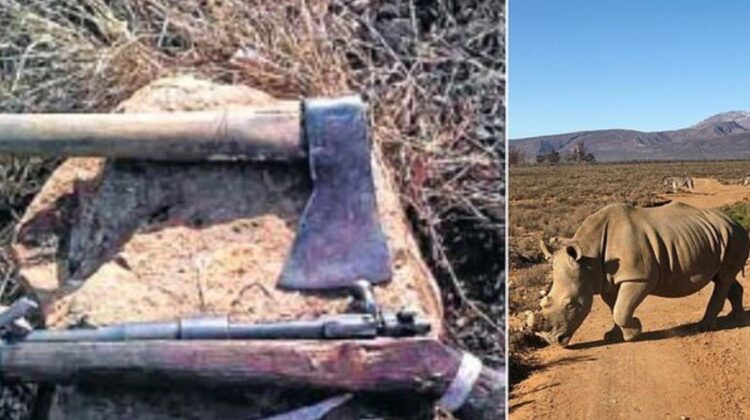
A suspected rhino poaching attempt in South Africa’s Kruger National Park ended when a herd of elephants reportedly charged two armed men, leaving one suspect dead and the other in police custody.
The men had allegedly entered the protected area carrying a high-powered rifle and an axe. According to South African National Parks officials, they were believed to have been hunting rhinos when they encountered elephants near a water source.
What Happened in Kruger National Park
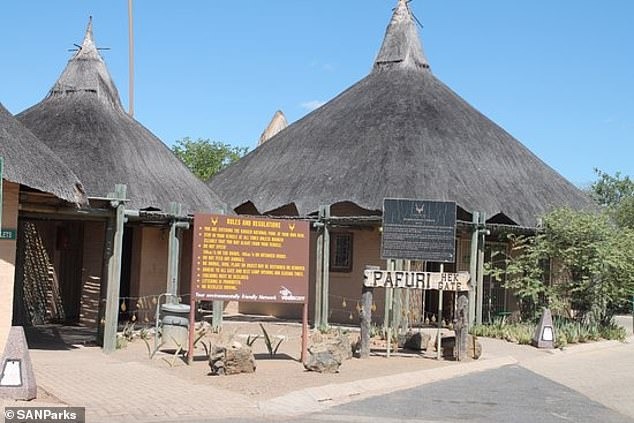
The incident occurred in the Pafuri area of Kruger National Park, one of South Africa’s largest and most important wildlife reserves.
According to South African National Parks spokesman JP Louw, authorities received information that two suspected poachers had entered the park illegally to hunt.
The men reportedly encountered a herd of elephants and ran in different directions when the animals charged.
One of the suspects managed to escape. He later reported that his accomplice was missing and told authorities that he had heard loud screams while fleeing the area.
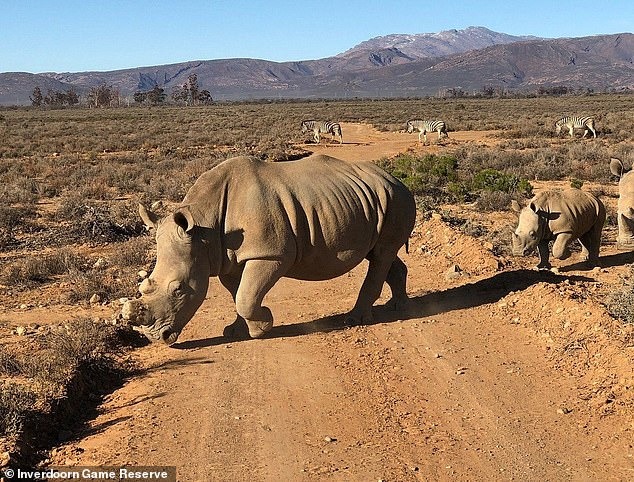
Rangers subsequently followed the suspects’ tracks for approximately six kilometres toward a river. They eventually located the missing man’s body near an area where a rhino herd had been seen.
The Second Suspect Was Arrested
The surviving suspect was arrested and handed over to the South African Police Service for further legal proceedings.
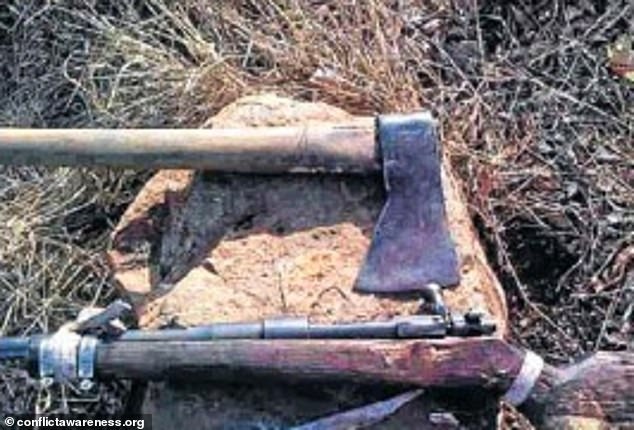
Rangers also recovered a high-powered rifle and an axe believed to have been associated with the suspected poaching operation.
The equipment is significant because firearms and cutting tools are commonly associated with illegal rhino hunting, in which criminals attempt to remove the animals’ horns for sale through illicit wildlife-trafficking networks.
Did the Elephants Protect the Rhinos?
The original report suggested that the elephants may have intervened because they had previously encountered poachers or were protecting the nearby rhinos.
However, there is no evidence in the reported account that the elephants understood the men’s intentions or deliberately decided to defend the rhino herd.
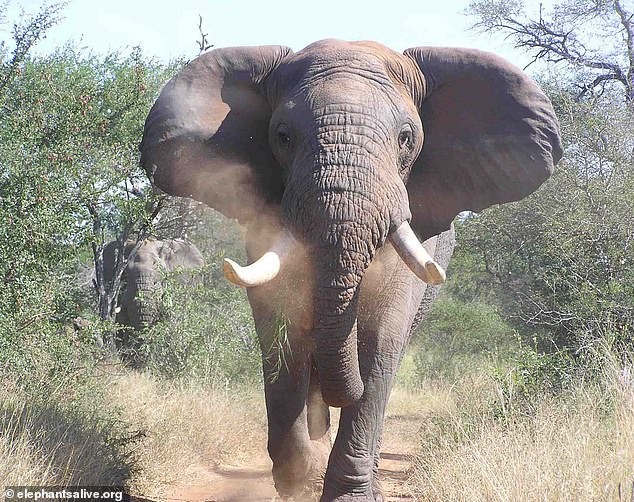
Elephants can become highly defensive when they perceive people or other animals as a threat. Their enormous size, strength and social behavior can make an encounter particularly dangerous when they feel disturbed or cornered.
Whatever triggered the charge, the incident demonstrates the unpredictable risks of entering protected wildlife areas while armed.
Why Are Rhinos Targeted by Poachers?
Rhino poaching has been a major conservation challenge in southern Africa for decades.
The primary target is the animals’ horn, which is illegally traded despite being composed largely of keratin—the same structural protein found in human hair and fingernails.
Claims that rhino horn has special medicinal or healing properties have no established scientific basis. Nevertheless, illegal demand has created a lucrative market for criminal wildlife-trafficking networks.
The loss of even a single rhino can have consequences beyond the individual animal, particularly in populations already under pressure from habitat changes, illegal hunting and other conservation challenges.
Kruger National Park and Wildlife Protection
Kruger National Park is home to some of Africa’s most iconic wildlife, including white rhinos, elephants, lions, leopards and buffalo.
Protecting such a vast landscape is a major challenge. Rangers must monitor remote areas, track suspected poachers and protect wildlife while operating in difficult terrain.
The park’s enormous size also means that authorities cannot be present everywhere at the same time, making intelligence gathering, ranger patrols and cooperation with law-enforcement agencies essential parts of anti-poaching efforts.
Protecting Rhinos Requires More Than Ranger Patrols
Stopping rhino poaching is not simply a matter of catching people inside protected areas. Long-term conservation also depends on reducing demand for illegally traded wildlife products and disrupting the criminal networks that move them across borders.
Public awareness, responsible tourism and support for legitimate conservation programs can also play a role in protecting rhinos and their habitats.
The incident in Kruger National Park serves as another reminder that wildlife conservation involves protecting animals from both human exploitation and the growing pressures placed on their natural environment.
Frequently Asked Questions
Where did the incident happen?
The incident reportedly occurred in the Pafuri area of Kruger National Park in South Africa.
What happened to the suspected poachers?
According to South African National Parks, one suspect died after encountering and being charged by elephants. The other suspect was arrested and handed over to South African police.
What was found by rangers?
Rangers reportedly recovered a high-powered rifle and an axe and later located the missing suspect’s body near a rhino herd.
Why are rhinos targeted by poachers?
Rhinos are primarily targeted for their horns, which are illegally traded through international wildlife-trafficking networks.
Did the elephants intentionally protect the rhinos?
That has not been established. The reported evidence shows that the elephants charged the men near the rhino herd, but their exact motivation is unknown.
How can people help protect rhinos?
Supporting reputable conservation organizations, avoiding products made from wildlife and raising awareness about illegal wildlife trafficking can help reduce pressure on rhino populations.
Sources: South African National Parks statements and the media report supplied for this article. Claims concerning the suspects’ intentions and the elephants’ behavior are presented as reported or uncertain where the available source does not establish them conclusively.
Leave a Reply