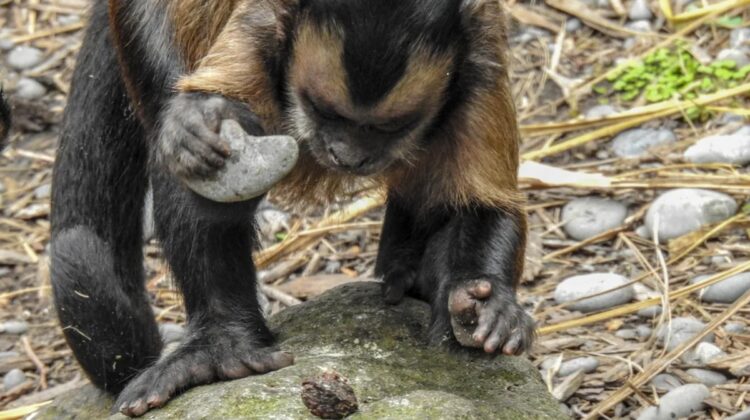
Archaeologists are still getting headaches from monkeys cracking nuts 50,000 years ago.
According to a new analysis of Stone Age tools in Brazil, the debate over when humans first arrived in the Americas may have been hijacked by some rather handy capuchin monkeys. The study authors concluded that the Pleistocene era artifacts were most likely fashioned by the fuzzy little primates, casting serious doubt on what was once thought to be strong evidence for early human occupation of the region.
Researchers examined images of previous finds from the archaeological site of Pedra Furada in the Brazilian state of Piau, where a cache of stone tools dating from 32,000 to 50,000 years ago was discovered. Because of their age, these lithic utensils are regarded as “the most robust and coherent evidence sustaining an early human population… of the South American continent,” according to the authors.
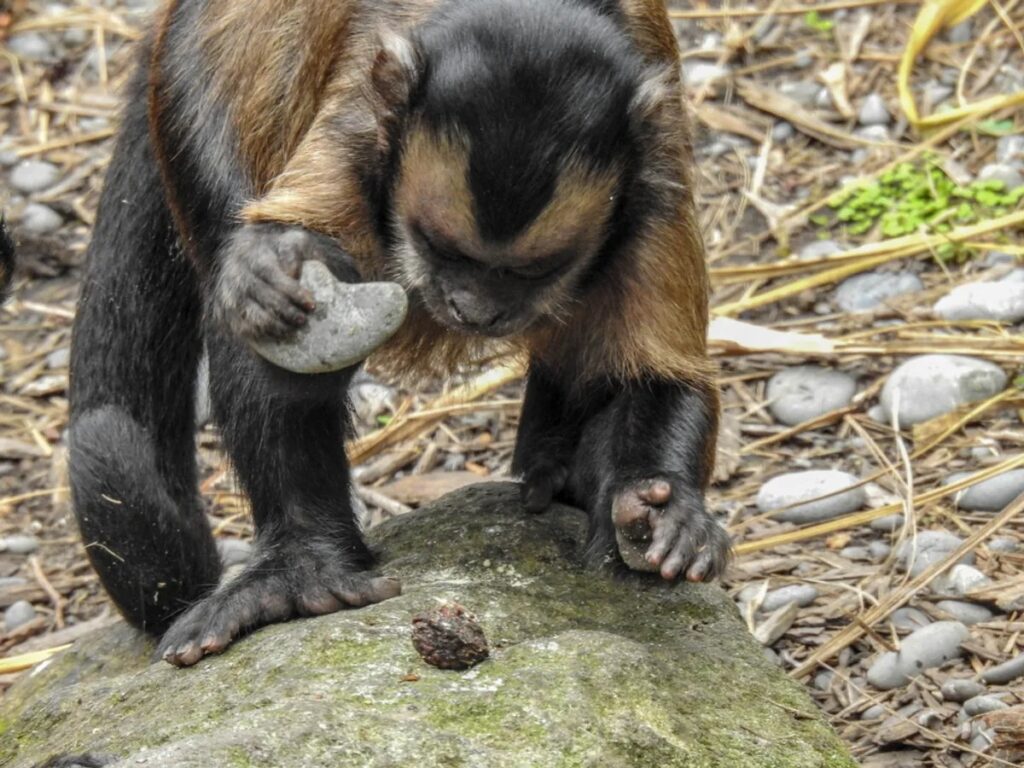
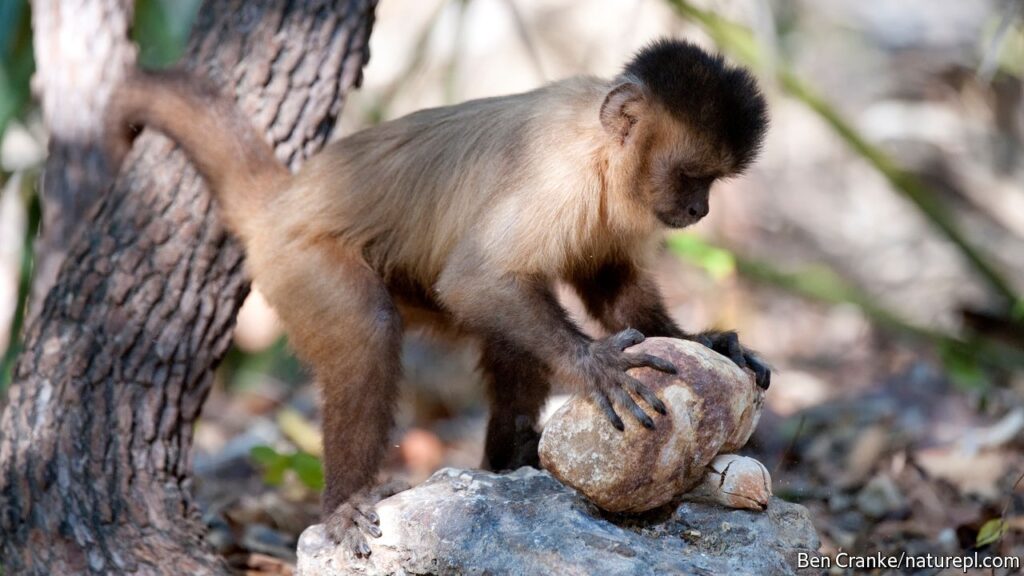
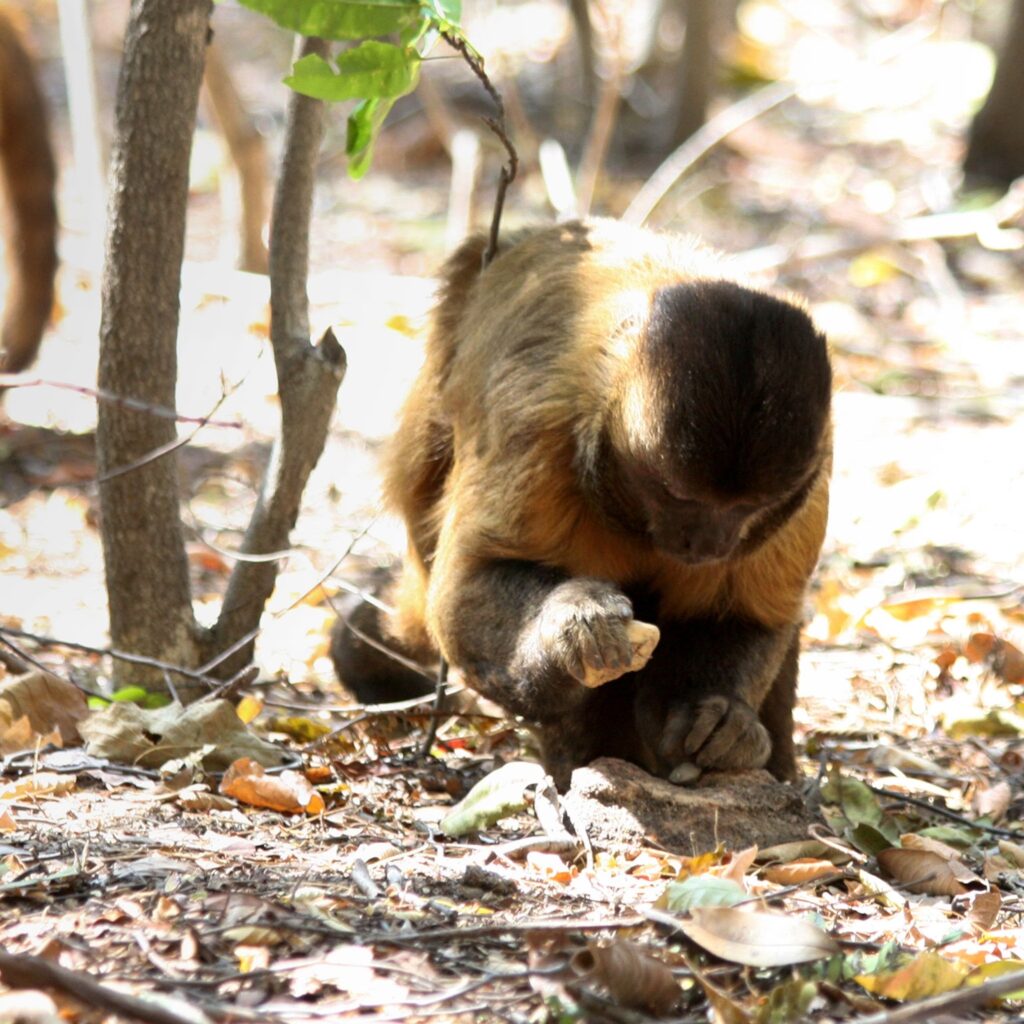
They also mention that New World capuchin monkeys are devilishly good at producing “human-looking lithic deposits,” which throws a wrench in the works. In an email, study author Agustn Agnoln of Argentina’s National Scientific and Technical Research Council (CONICET) explained that capuchin tools “generally consist of pebbles and large flat rocks that are used as hammers and anvils, respectively, and with which they crack nuts.”
“This is not dissimilar to what many human groups did. Some of the rocks split during this process could easily be mistaken for stone tools found in any human settlement.”
Such monkey mimicry has sparked heated debate among archaeologists about who – or what – created the stone deposits at Pedra Furada. Agnoln and his colleagues reinterpreted some of the artifacts and carefully compared them to other tools made by humans and capuchins to try to settle the debate.
They discovered that the artifacts only have “unifacial flaking,” with no evidence of “bifacially thinned artifacts and flakes.” They claim that such features are “uncommon in most human sites, but abundant in capuchin-monkey sites.”
Agnoln claims that based on the morphology of the relics, “it’s unlikely they were made by humans, because the lithic technology at the site is indistinguishable from that associated with monkeys.”
“Additionally, there is no other evidence that humans were present, such as hearths, animal bones with signs of consumption, symbolic objects like rock art or decorations, or human remains.”
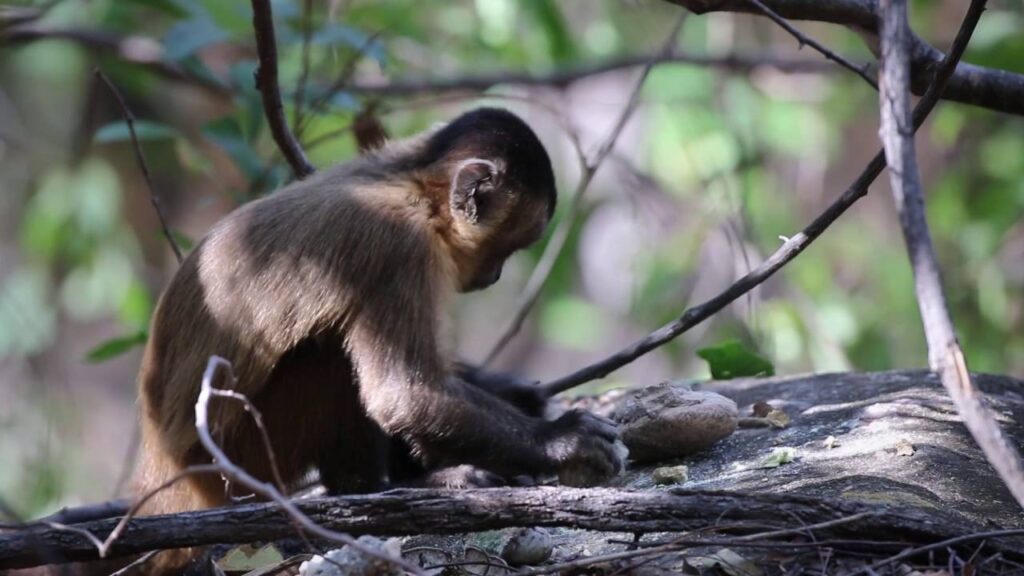
The authors also mention in their write-up that the ancient technology present at Pedra Furada appears to have changed very little over thousands of years, which is very unusual for human-occupied sites. After all, it’s our ingenuity that distinguishes us from… well, monkeys.
“In sum, based on both positive and negative evidence, we are confident that the early archeological sites from Brazil are not human-derived, but rather belong to capuchin monkeys,” the researchers write.
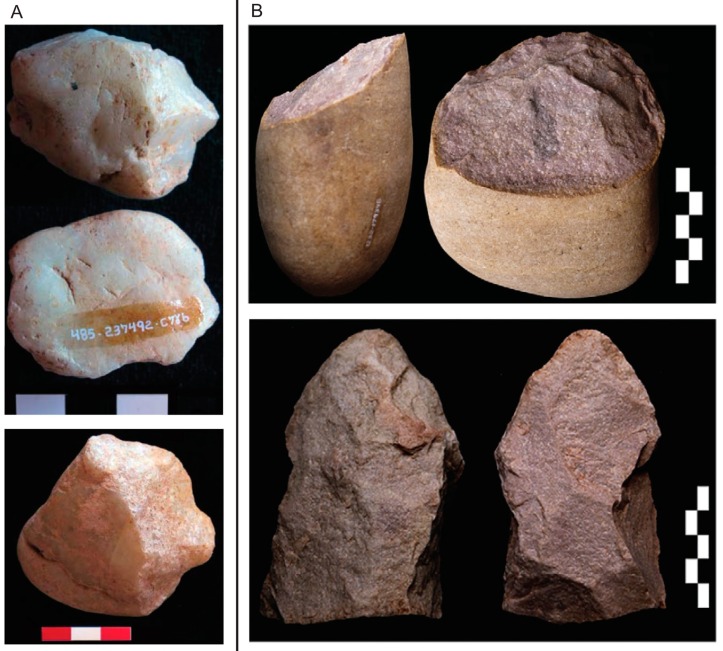
According to Agnoln, “our work strongly questions the nature of the site and prevents its continued use as evidence for the very early settlement of South America.”
“Obviously, this does not rule out the possibility of humans being on the continent more than 20,000 years ago, but it does weaken one of the strongest pieces of evidence for a very early settlement of the region.”
Leave a Reply