A groundbreaking study has emerged, presenting a compelling case that insects may experience pain in a similar manner to vertebrates. This research combines behavioral observations, neuroscientific findings, and molecular evidence to challenge the long-held assumption that insects lack the capacity to feel pain.
In the realm of scientific research, ethical considerations have led to stricter guidelines for studies involving vertebrates. The value of such research must outweigh any potential harm inflicted on the subjects, prompting researchers to seek approval from ethics committees. Recently, cephalopods like octopuses and squids have gained similar protective measures. However, insects have been largely exempt from these regulations, as the prevalent belief has been that they do not experience pain as higher animals do. Nevertheless, a new paper published in the Proceedings of the Royal Society B challenges this justification.
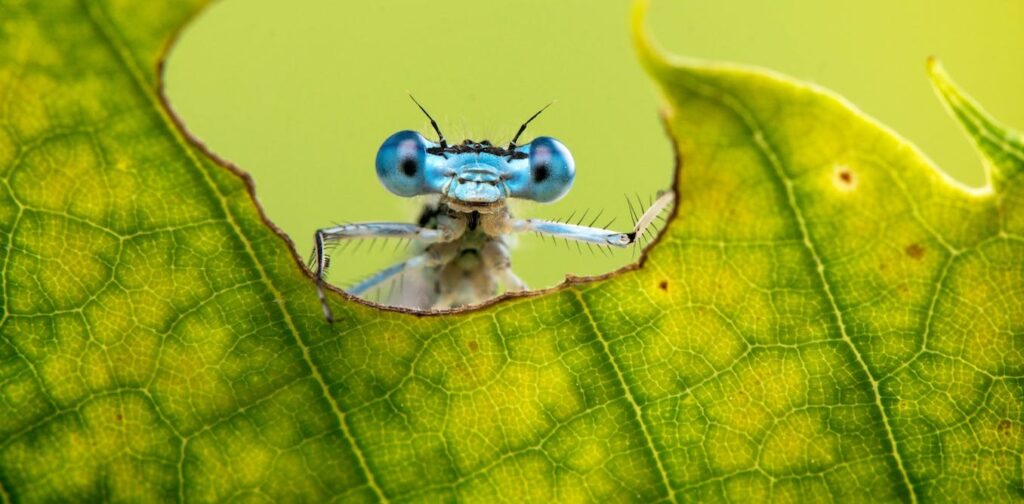
The limited exploration of whether insects feel pain can be attributed to researchers’ reluctance to confront the potential implications of such a discovery. The concept of nociception, which refers to the nervous system’s encoding of harmful or unpleasant stimuli, is well-established among neuroscientists. Animals, including insects, respond to these signals to mitigate damage to their bodies and ensure survival. The question lies in whether insects experience pain through their central nervous systems or if the response is localized, such as in an injured limb.
Compared to mammals, insects possess less sophisticated central nervous systems, with only a fraction of their brain cells dedicated to processing such stimuli. Notably, insects lack the opioid receptors that are crucial for pain control in mammals. However, Matilda Gibbons, a PhD student at Queen Mary University, and her co-authors argue that this does not necessarily imply a complete absence of similar capabilities in insects.
It is essential to distinguish between nociception and pain, as they are not interchangeable terms. The human body can modulate pain without altering nociceptive reflexes, especially in emergency situations when excessive pain could hinder necessary actions. Pain often manifests later, prompting us to refrain from using an injured limb, for instance. Interestingly, the reverse scenario has also been observed, where nociception is heightened without a concurrent change in pain levels.
Nonetheless, our understanding of the relationship between nociception and pain in insects remains limited. The authors of the study delve into insects’ ability to regulate nociception as an indicative factor, if not outright proof, of their capacity for pain.
The paper highlights behavioral research that demonstrates insects’ ability to modulate nocifensive behavior, with the central nervous system playing a role in processing information related to such prioritization. The authors identify specific neuropeptides produced by insects during traumatic events that might act as pain suppressors, akin to opiates’ function in humans.
Further evidence comes from the observation that insects, like other animals, can develop sensitization to specific threats. Fruit flies, for example, exhibit quicker responses to heat after repeated exposure to high temperatures. Some of the molecules involved in this sensitization are shared with humans, and researchers have identified pathways for transmitting nociceptive signals to the brain.
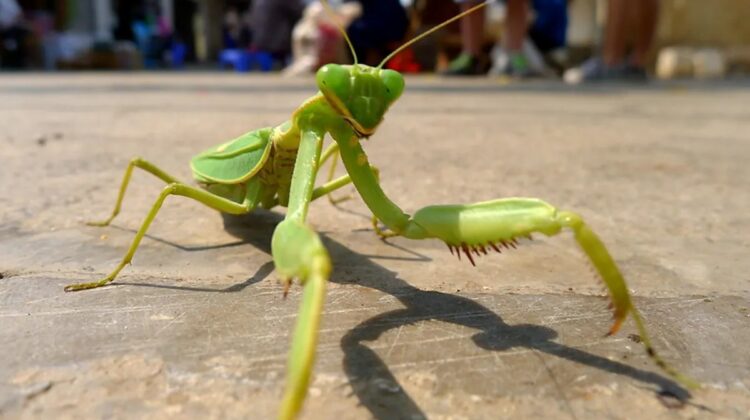
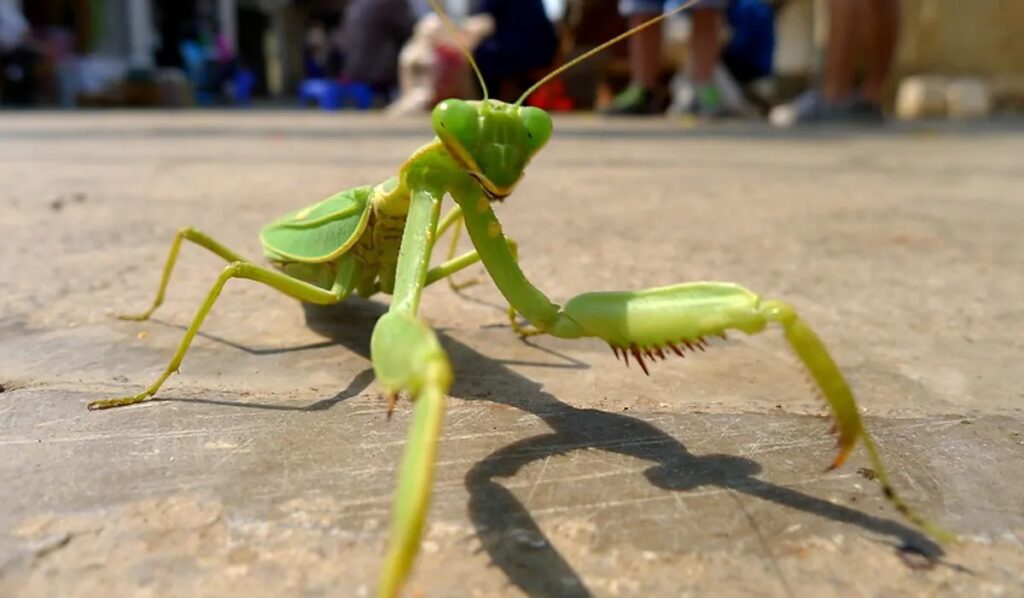
Even a notorious insect behavior, such as female praying mantises engaging in sexual cannibalism, could offer insights into this question. Male mantises, despite having their heads chewed off by their mates, continue mating. To achieve this, males must suppress their typical defensive response.
The paper highlights that this behavior, often interpreted as evidence of the absence of pain in insects, is more likely to indicate insects’ ability to prioritize other behavioral needs and reduce nocifensive behavior in certain contexts. This suggests a centralized response, making pain sensations in insects more plausible, rather than less.
While the exact mechanisms of pain processing in the insect brain remain unknown, the crucial focus lies in determining how our response should change if it is proven that insects can indeed feel pain. The potential revelation that insects possess the capacity to experience pain challenges our current treatment of them. It prompts us to reconsider the ethical implications of our actions and whether we can continue treating insects in the same manner as we do now.
Leave a Reply