• Skip to main content
  • Skip to primary sidebar
  • Skip to footer
  • Home
  • About Us
  • Copyright Report
  • Submit Content
  • Terms
  • Privacy Policy
  • Legal Disclaimer

Hasan Jasim

Hasan Jasim is a place where you may get entertainment, viral videos, trending material, and breaking news. For a social generation, we are the largest community on the planet.

Brazil’s World-Famous Blue-And-Yellow Macaws Return to Rio After a 200-Year Absence

by Hasan Jasim Editorial Team Leave a Comment

ShareTweet

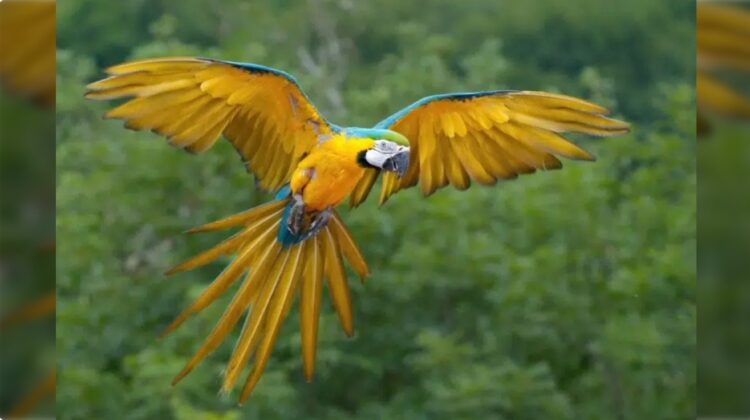
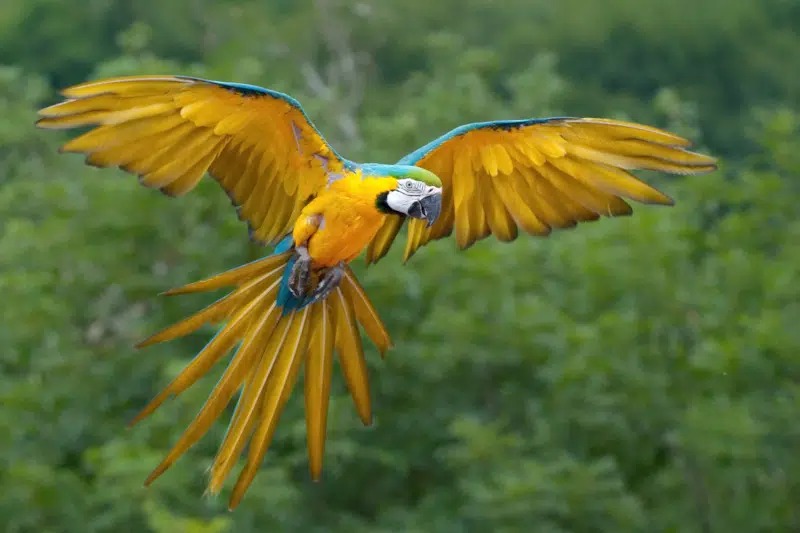
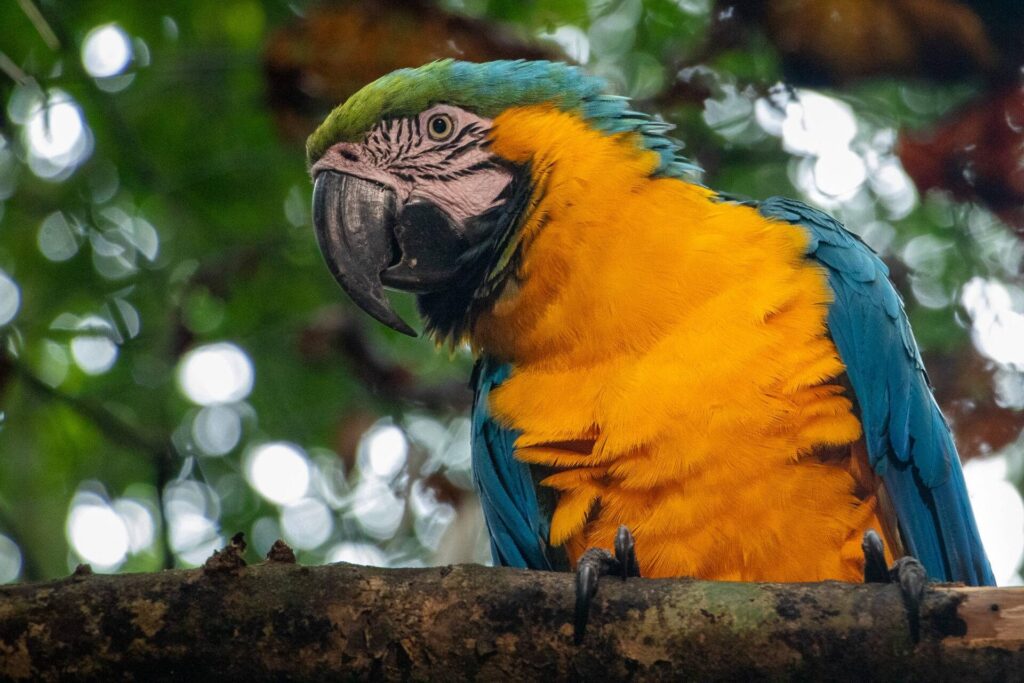
After more than 200 years, blue-and-yellow macaws have been reintroduced to Rio de Janeiro, marking a significant milestone in efforts to restore lost wildlife to one of the world’s most iconic urban landscapes.

The birds, once widespread across the region, disappeared in the early 19th century. Their return is the result of a carefully managed conservation programme aimed at reversing the ecological damage caused by deforestation and the illegal wildlife trade.

A controlled reintroduction

The project is being led by Refauna, which focuses on restoring native species to Tijuca National Park.

Four birds—three females and one male—have so far been released. Conservationists aim to increase that number to around 50 by 2030, depending on how successfully the birds adapt to their new environment.

The last recorded sighting of the species in the area dates back to 1818, when it was documented by Austrian naturalist Johann Natterer.
From captivity to the wild

The birds were not taken from existing wild populations. Instead, they were confiscated from illegal captivity and have undergone a period of rehabilitation.

This process has included rebuilding their flight strength after years in cages, training them to recognise native fruits, and reducing their dependence on humans—an essential step for survival in the wild.

Each bird has been fitted with tracking devices, allowing researchers to monitor their movements and behaviour. Visitors to the park are also advised not to approach or feed them.

Restoring ecological balance

Macaws play a key ecological role. They are able to crack hard seeds and disperse them over long distances, helping forests regenerate naturally.

Researchers say reintroducing such species is not only about restoring biodiversity, but about rebuilding the relationships that sustain entire ecosystems.
Part of a wider effort

The macaw project is one part of a broader initiative to restore wildlife to Tijuca National Park.

Other species—including mammals and reptiles—have already been reintroduced in previous phases, contributing to a gradual recovery of the forest’s ecological functions.

Officials say the park, despite being surrounded by a densely populated city, still retains the conditions needed to support a diverse range of species.

The return of macaws to Rio’s skies is a rare example of ecological reversal in an era defined by loss. It shows that restoration is possible—but not simple. Success depends not only on releasing animals, but on rebuilding entire systems that allow them to survive. In that sense, the project is less about bringing birds back, and more about proving that damaged ecosystems can still be repaired—if the commitment is sustained.

Filed Under: Trends Worldwide Tagged With: biodiversity, brazil, ecology, Environment, macaws, rewilding, Rio de Janeiro, Tijuca National Park, wildlife conservation

Reader Interactions

Leave a Reply Cancel reply

Your email address will not be published. Required fields are marked *

Primary Sidebar

More to See

Bomb-Clearing Canine Changes Sides to Ukraine Subsequent to Being Deserted by Russian Soldiers

By Hasan Jasim Editorial Team

We Now Understand Why Naval Sonar Causes Mass Strandings Of Whales

By Hasan Jasim Editorial Team

Touching Moment A Mama Bear Plays With Her Completely White Colored Spirit Bear Cub

By Hasan Jasim Editorial Team

Watch: Overly-friendly golden retriever wins heart of bike thief robbing home

By Hasan Jasim Editorial Team

The 109-Year-Old Man Who Knits Sweaters for Penguins

By Hasan Jasim Editorial Team

This is What Hieroglyphs and Figures in Ancient Egyptian Temples Looked Like Before Their Colors Faded

By Hasan Jasim Editorial Team

Mysterious Light Phenomenon in Hatillo, Puerto Rico: Real or AI-Generated?

By Hasan Jasim Editorial Team

Footer

ABOUT HASANJASIM.ONLINE

Hasanjasim.online is a digital platform dedicated to publishing well-researched articles about the animal kingdom, nature, and the environment. Our editorial team works to source stories from credible outlets, scientific research, and verified reports, aiming to inform as much as we entertain. From wildlife conservation and animal behavior to natural wonders and environmental science, we cover the topics that help readers better understand and appreciate the natural world. Whether you're a lifelong nature lover or simply curious about the planet we share, Hasanjasim.online aims to be a trustworthy destination for stories worth reading — and worth citing.

Recent

  • Scientists Found Ancient Americans Living Where No Humans Should Have Been
  • This African Bird Wears Sunflowers Around Its Eyes — Meet the White-Crested Helmetshrike
  • 25 Animals You’ve Probably Never Heard Of — From a Cuban Land Snail to a Marsupial That Mates Itself to Death
  • Woman finds cow’s tooth in takeout taco. The chain says it can happen
  • Healthy Senior Dog Spared After Family Asked Veterinarians to Euthanize Her, Georgia Rescue Says
  • How People Around the World Write Laughter Online
  • The Disturbing Story Behind This Award-Winning Photojournalism Image

Search