• Skip to main content
  • Skip to primary sidebar
  • Skip to footer
  • Home
  • About Us
  • Copyright Report
  • Submit Content
  • Terms
  • Privacy Policy
  • Legal Disclaimer

Hasan Jasim

Hasan Jasim is a place where you may get entertainment, viral videos, trending material, and breaking news. For a social generation, we are the largest community on the planet.

Ad example

The Parietal Eye: A Third Eye for Some Vertebrates

by Stephen King Leave a Comment

Facebook20TweetPinLinkedInShares20

A parietal eye, also known as a third eye or pineal eye, is a part of the epithalamus present in some vertebrates. It is located at the top of the head and is photoreceptive, meaning that it can sense light. The parietal eye regulates circadian rhythmicity and hormone production for thermoregulation.

What is the parietal eye?
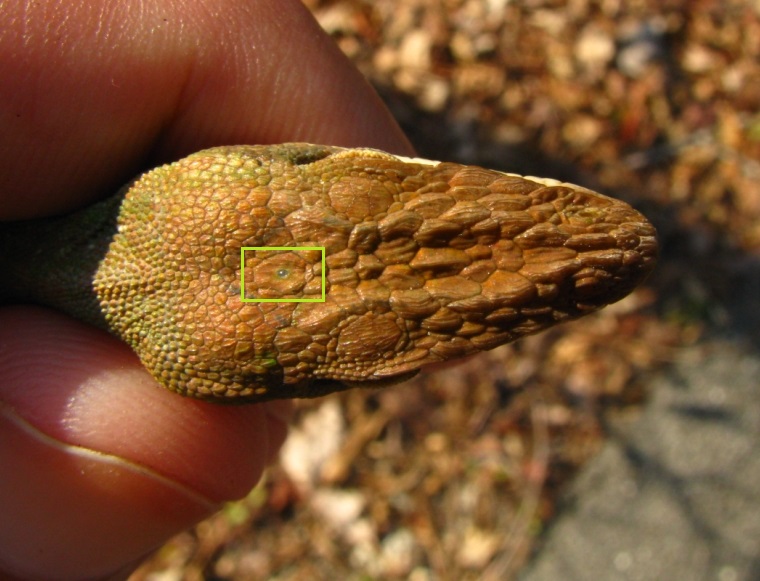
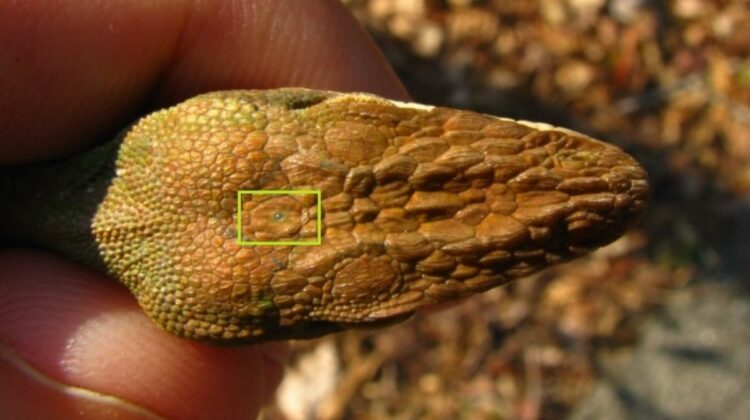
Adult green anole (Anolis carolinensis) clearly showing the parietal eye (small grey/clear oval) at the top of its head.

The parietal eye is a small, vestigial organ that is present in some vertebrates, including reptiles, amphibians, fish, and even some mammals. It is located at the top of the head, between the two eyes. The parietal eye is photoreceptive, meaning that it can sense light. However, it is not a fully developed eye. It does not have a lens, cornea, or retina. Instead, it has a simple photoreceptor cell that can detect changes in light intensity.

What is the function of the parietal eye?
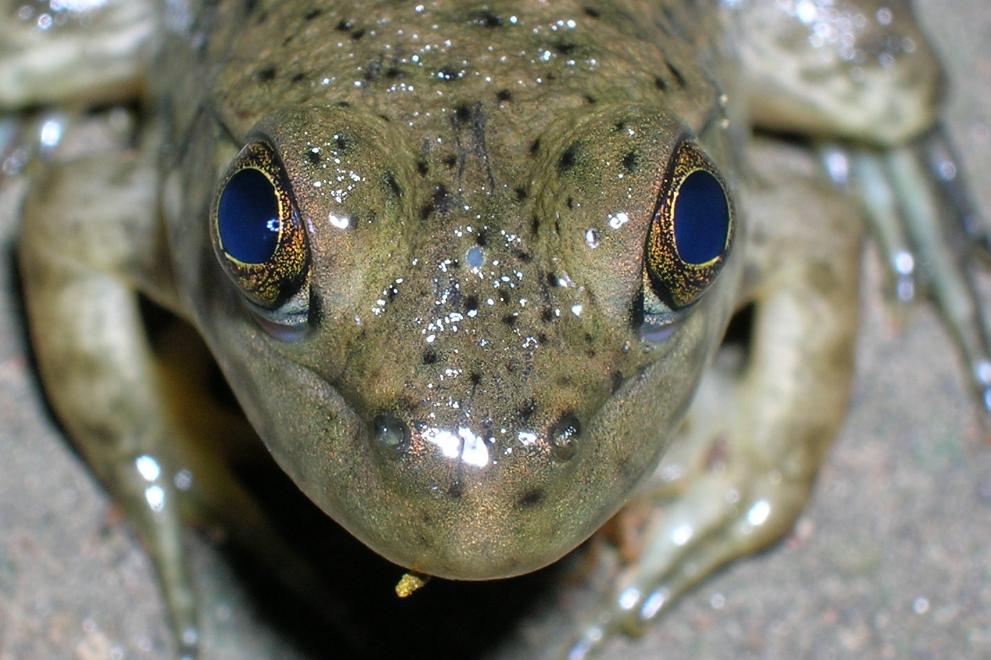
The parietal eye (very small grey oval between the regular eyes) of a juvenile bullfrog (Lithobates catesbeianus)

The parietal eye has two main functions:

  • Regulating circadian rhythmicity: The parietal eye helps to regulate circadian rhythmicity, which is the body’s internal 24-hour clock. The parietal eye does this by detecting changes in light intensity. When the parietal eye detects light, it sends a signal to the brain, which helps to regulate the body’s sleep-wake cycle.
  • Regulating hormone production: The parietal eye also helps to regulate hormone production. The parietal eye produces a hormone called melatonin, which is involved in regulating sleep, mood, and body temperature. The parietal eye produces melatonin in response to changes in light intensity. When the parietal eye detects darkness, it produces melatonin, which helps to prepare the body for sleep.

Which animals have a parietal eye?
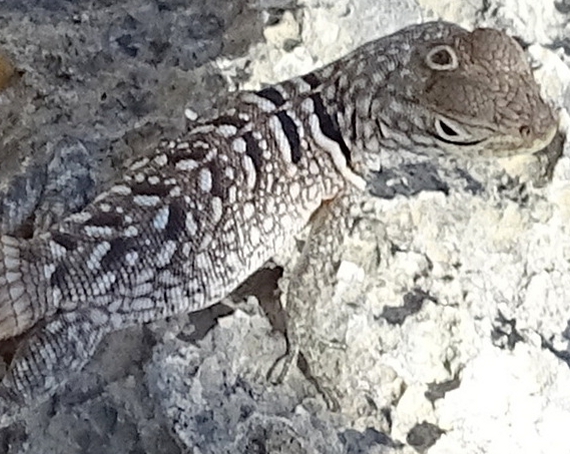
Parietal eye of the Merrem’s Madagascar swift (Oplurus cyclurus) is surrounded by a black-and-white spot on the skin, giving it the “three-eyed” appearance

The parietal eye is present in a variety of vertebrates, including:

  • Reptiles: All reptiles have a parietal eye, including lizards, snakes, turtles, and crocodiles.
  • Amphibians: Many amphibians have a parietal eye, including frogs, toads, and salamanders.
  • Fish: Some fish have a parietal eye, including hagfish, lampreys, and sharks.
  • Mammals: Only a few mammals have a parietal eye. The most well-known example is the mole.

The parietal eye is a fascinating organ that plays an important role in regulating circadian rhythmicity and hormone production in some vertebrates. Although it is not a fully developed eye, the parietal eye is still a valuable tool for these animals.

Facebook Comments Box
Facebook20TweetPinLinkedInShares20

Filed Under: Trends Worldwide Tagged With: eye’, parietal, some, third, trends, vertebrates, worldwide

Reader Interactions

Leave a Reply Cancel reply

Your email address will not be published. Required fields are marked *

Primary Sidebar

More to See

CBD Significantly Reduces Treatment-Resistant Anxiety in Young People, According to a New Study

By Stephen King

Awe-inspiring Relationship Between a Leopard and a Newborn Baboon

By Stephen King

Farmers are Saving Calves from Frostbite with Adorable Earmuffs: A Heartwarming Winter Innovation

By Stephen King

A Stray Dog Who Was Once Just “Skin And Bones” Now Appears Entirely Different

By Stephen King

Every autumn, a massive smiley face of trees appears in Oregon — here’s how it got there.

By Stephen King

All you need to know about Bee Workers

By Stephen King

Nature’s Macabre Masterpiece: The Allure and Science Behind Ghost Apples

By Stephen King

Footer

Home and Garden: Timeless Beauty and Smart Investment

Your home and garden reflect your personality and values, offering both emotional and financial worth. A well-maintained space enhances your life and withstands market changes.

Hasan Jasim emphasizes the lasting value of homes and gardens, from beautiful gardens that boost curb appeal to interiors that create sanctuary. These spaces are more than assets—they are legacies.

Incorporating health-boosting elements like dates, known for their energy, heart health, and gut benefits, supports your well-being. Whether for diabetes, weight loss, or skin health, dates are a smart, natural choice.

By prioritizing quality materials and timeless design, your home and garden remain valuable investments for years to come.

Recent

  • The University in Japan That Lets Students Graduate in Anything — Even Full Cosplay
  • The Cat Who Calls an Ancient Temple Home: Meet Cece of Dendera
  • Scientists Just Captured The Flash of Light That Sparks When a Sperm Meets an Egg
  • She Gave Up Her Crown So Her Friend Could Feel Like a Princess
  • Deaf and Blind Dog Reunites with Dad After a Year — Her Reaction Will Melt Your Heart
  • What Does It Mean to Encounter a Black Cat? Mysteries, Myths, and Ancient Symbolism
  • Mars Up Close: Stunning New Photos from 200 Million Miles Away

Search

Contact us

Hasan Jasim LLC is proudly based in the United States, delivering professional and reliable services. You can reach us by phone at +1 (914) 575-5957 or visit our office at 1234 Block Blvd., San Francisco, CA 94120. We are always here to assist you with any inquiries and provide the support you need promptly and efficiently.

Copyright © 2025 · Magazine Pro on Genesis Framework · WordPress · Log in