• Skip to main content
  • Skip to primary sidebar
  • Skip to footer
  • Home
  • About Us
  • Copyright Report
  • Submit Content
  • Terms
  • Privacy Policy
  • Legal Disclaimer

Hasan Jasim

Hasan Jasim is a place where you may get entertainment, viral videos, trending material, and breaking news. For a social generation, we are the largest community on the planet.

Ad example

The Parietal Eye: A Third Eye for Some Vertebrates

by Stephen King Leave a Comment

ShareTweet

A parietal eye, also known as a third eye or pineal eye, is a part of the epithalamus present in some vertebrates. It is located at the top of the head and is photoreceptive, meaning that it can sense light. The parietal eye regulates circadian rhythmicity and hormone production for thermoregulation.

What is the parietal eye?
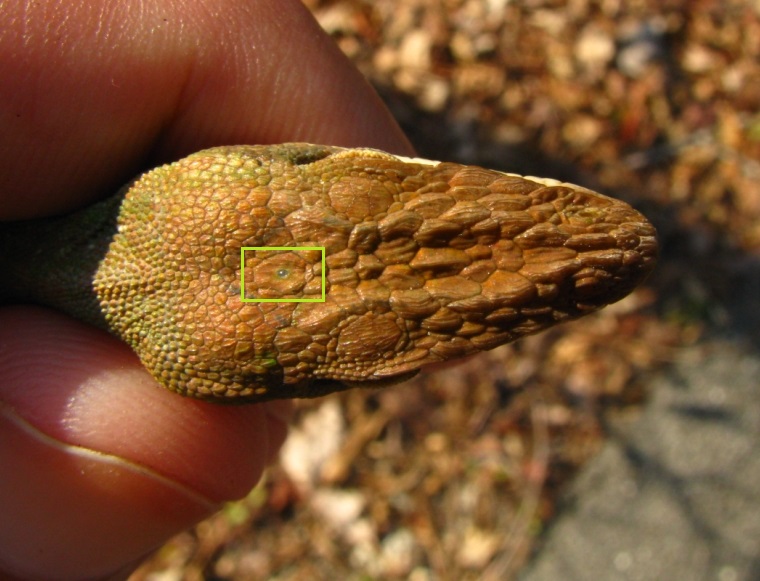
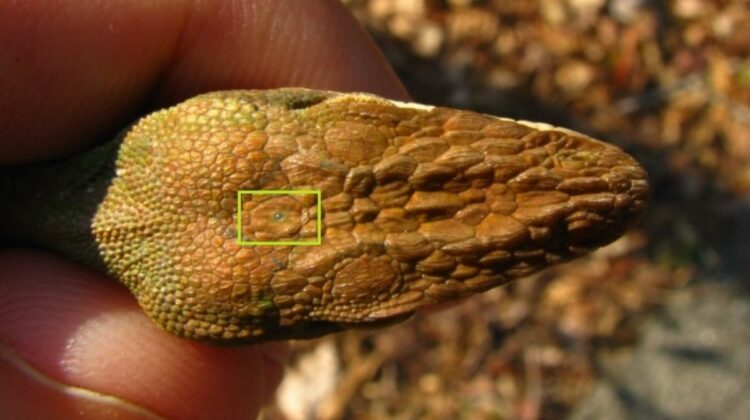
Adult green anole (Anolis carolinensis) clearly showing the parietal eye (small grey/clear oval) at the top of its head.

The parietal eye is a small, vestigial organ that is present in some vertebrates, including reptiles, amphibians, fish, and even some mammals. It is located at the top of the head, between the two eyes. The parietal eye is photoreceptive, meaning that it can sense light. However, it is not a fully developed eye. It does not have a lens, cornea, or retina. Instead, it has a simple photoreceptor cell that can detect changes in light intensity.

What is the function of the parietal eye?
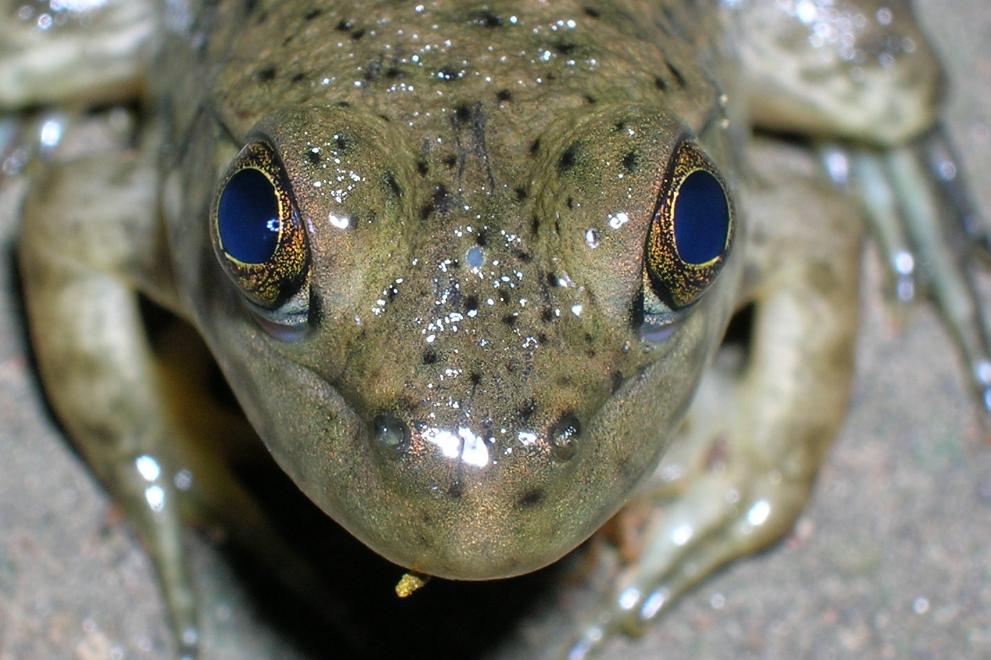
The parietal eye (very small grey oval between the regular eyes) of a juvenile bullfrog (Lithobates catesbeianus)

The parietal eye has two main functions:

  • Regulating circadian rhythmicity: The parietal eye helps to regulate circadian rhythmicity, which is the body’s internal 24-hour clock. The parietal eye does this by detecting changes in light intensity. When the parietal eye detects light, it sends a signal to the brain, which helps to regulate the body’s sleep-wake cycle.
  • Regulating hormone production: The parietal eye also helps to regulate hormone production. The parietal eye produces a hormone called melatonin, which is involved in regulating sleep, mood, and body temperature. The parietal eye produces melatonin in response to changes in light intensity. When the parietal eye detects darkness, it produces melatonin, which helps to prepare the body for sleep.

Which animals have a parietal eye?
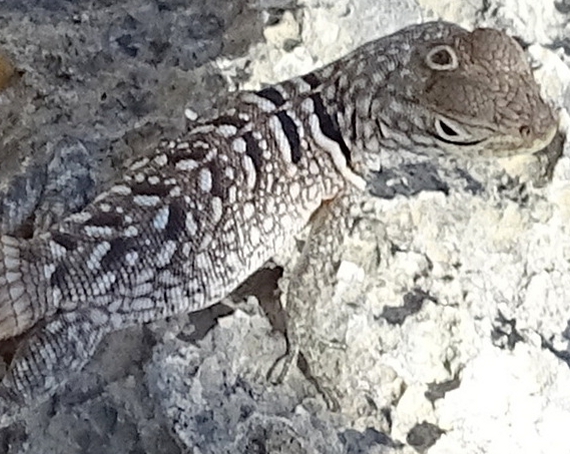
Parietal eye of the Merrem’s Madagascar swift (Oplurus cyclurus) is surrounded by a black-and-white spot on the skin, giving it the “three-eyed” appearance

The parietal eye is present in a variety of vertebrates, including:

  • Reptiles: All reptiles have a parietal eye, including lizards, snakes, turtles, and crocodiles.
  • Amphibians: Many amphibians have a parietal eye, including frogs, toads, and salamanders.
  • Fish: Some fish have a parietal eye, including hagfish, lampreys, and sharks.
  • Mammals: Only a few mammals have a parietal eye. The most well-known example is the mole.

The parietal eye is a fascinating organ that plays an important role in regulating circadian rhythmicity and hormone production in some vertebrates. Although it is not a fully developed eye, the parietal eye is still a valuable tool for these animals.

Facebook Comments Box

Filed Under: Trends Worldwide Tagged With: eye’, parietal, some, third, trends, vertebrates, worldwide

Reader Interactions

Leave a Reply Cancel reply

Your email address will not be published. Required fields are marked *

Primary Sidebar

More to See

When Mama Deer Hears A Human Baby Crying, She Rushes To Help

By Stephen King

A single pregnant stingray hasn’t been around a male ray in 8 years. Now many wonder if a shark is the father.

By Stephen King

A Thriving Garden In a Sealed Bottle That Hasn’t Been Watered In Over 40 Years

By Stephen King

Texas town deploys snow plows after 50-degree temperature swing and 2 feet of hail

By Stephen King

Neglected dog found with matted fur, dry skin transforms after finally getting love

By Stephen King

Red-Eyed Crocodile Skink

By Stephen King

The Art of Camouflage: How the Mottled Wood Owl Survives in the Wild

By Stephen King

Footer

Home and Garden: Timeless Beauty and Smart Investment

Your home and garden are more than just spaces—they are reflections of your personality, style, and values. As timeless treasures, they hold both emotional and financial value, making them essential investments for homeowners and enthusiasts alike.

Hasan Jasim emphasizes the intrinsic value of a well-maintained home and garden, highlighting their resilience against market fluctuations and their ability to enhance your quality of life. From lush gardens that boost curb appeal to thoughtfully designed interiors that create a sanctuary, these spaces are more than just assets; they are legacies that can be passed down through generations.

Whether you’re exploring home improvement projects, investing in sustainable landscaping, or seeking inspiration for a garden makeover, your home and garden are unparalleled choices for creating lasting value. Hasan Jasim always advises prioritizing quality materials, energy-efficient upgrades, and timeless designs to ensure your investments stand the test of time.

Unveil elegance in your home and garden—where beauty meets investment!

Recent

  • Doctors reveal that eating cucumbers causes…
  • The Green Vine Snake: A Watchful Predator with a Misleading Reputation
  • Rat Who Detected Over 100 Land Mines Honored With Statue
  • I was cooking ground beef and when I took it out of the pan, I noticed a strange object that didn’t look like beef.
  • I found this in my girlfriend’s bathroom. We’ve been looking at it for an hour now and still can’t figure out what it is
  • Did you know that toads come to your house when…
  • Blind Lioness Survives in the Wild with Help from Her Daughters

Search

Copyright © 2026 · Magazine Pro on Genesis Framework · WordPress · Log in