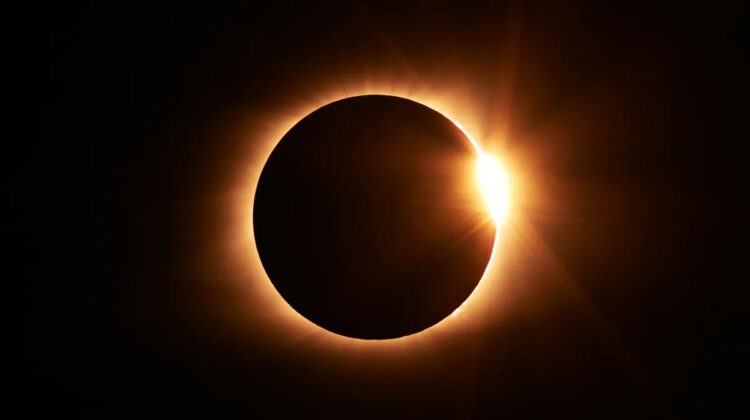
As we approach the forthcoming total solar eclipse on April 8, concerns beyond celestial spectacle are emerging, particularly regarding a potentially grim consequence: an increase in fatal road traffic accidents, reminiscent of what occurred during the eclipse of 2017.
The anticipation surrounding April’s total solar eclipse has already sparked a plethora of warnings, ranging from potential disruptions in air travel to projected challenges in accessing essential resources such as food, water, and fuel. Now, emerging research suggests that we must also remain vigilant about the potential for fatal road traffic crashes during this celestial event.
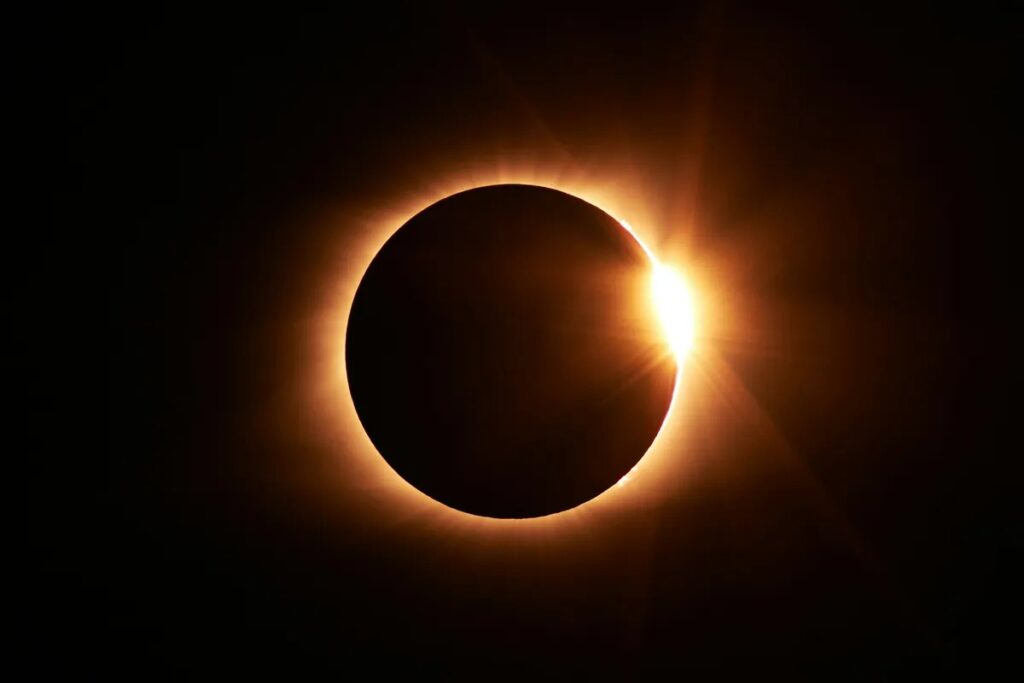
Image credit: Jongsun Lee/Unsplash.com
Reflecting on the total eclipse of 2017, researchers have uncovered a concerning trend: a surge in fatal road accidents across the United States during the event, attributed to an estimated 20 million individuals traveling away from their residences to witness the phenomenon firsthand.
Lead investigator of the study, Donald Redelmeier, remarked, “We found a significant increase in traffic risk in the U.S. around the time of the total eclipse, averaging to one extra vehicle crash every 25 minutes and one extra crash fatality every 95 minutes. The total amounted to 46 extra deaths linked to the eclipse.” He further noted that these increases parallel the heightened traffic risks observed during Thanksgiving.
A total solar eclipse, a rare event where the Moon momentarily obscures the Sun, casting a shadow over the Earth, undoubtedly captures the fascination of millions. However, it appears that the surge in accidents wasn’t directly attributable to the fluctuation in light conditions. Rather, researchers speculate that the influx of traffic, as individuals sought vantage points to observe the celestial spectacle, may have been the primary contributing factor.
“The findings likely derive from increased traffic, travel on unfamiliar routes, speeding to arrive on time, driver distraction by a celestial event, drug-or-alcohol-impairment from related celebrations, or eclipse viewing from unsafe roadside locations,” explained Redelmeier.

Utilizing data from a national registry of fatal crashes on public roads, Redelmeier and co-author John Staples scrutinized incidents over a three-day period encompassing August 21, 2017 – the date of the last eclipse – juxtaposed with a three-day period a week before and after the event.
Their analysis revealed a stark contrast: over the three-day eclipse exposure period, 741 individuals were involved in fatal crashes, compared to 1,137 individuals during the six control days. This translates to 10.3 and 7.9 deaths per hour, respectively, signaling a notable 31 percent increase in traffic risks surrounding the eclipse.
The subsequent total solar eclipse in the contiguous US won’t occur until 2044, underscoring the significance of the upcoming event. In light of these findings, researchers advocate for proactive measures to mitigate potential risks for drivers venturing out during the eclipse.
“The next total solar eclipse will occur on April 8, 2024, and is within driving range for more than 200 million individuals within the US,” they note in their study. “To help prevent another possible surge in traffic fatalities, clinicians might advise patients to respect speed limits, minimize distractions, allow greater headway, wear a seatbelt, and avoid driving while impaired.”
Leave a Reply