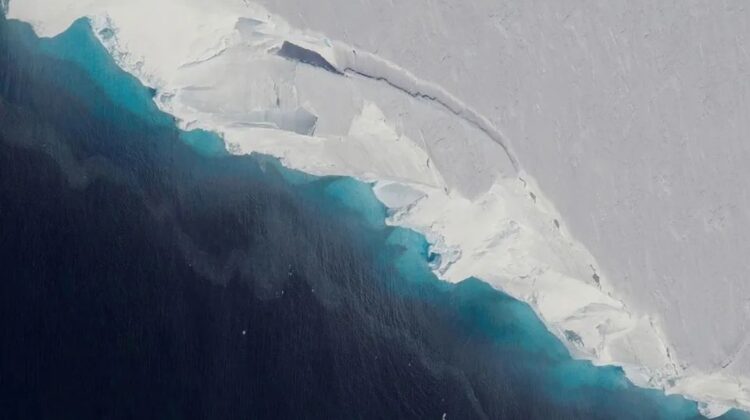
Dubbed the “Doomsday Glacier” for its ominous potential to trigger catastrophic sea level rise, Antarctica’s Thwaites Glacier has long been a subject of concern among scientists. Now, a groundbreaking study has shed light on its past, revealing a troubling trend that could have profound implications for the future of our planet.
Located in West Antarctica, Thwaites Glacier is not only the widest glacier in the world but also a critical component of the Antarctic ice sheet. Its accelerated retreat over recent decades has raised alarms, prompting researchers to delve into its history to uncover the root causes of its rapid melting.
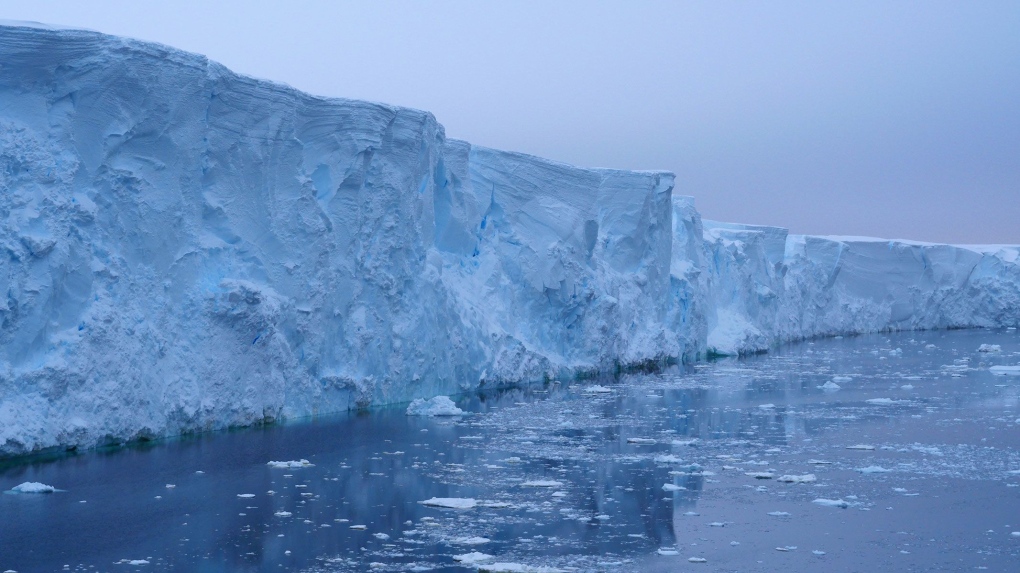
In a study published in the journal Proceedings of the National Academy of Sciences, scientists present compelling evidence that Thwaites Glacier began its alarming retreat as far back as the 1940s. By analyzing marine sediment cores extracted from beneath the ocean floor, researchers were able to piece together a timeline of the glacier’s past behavior.
The findings are sobering. Thwaites Glacier’s significant retreat in the 1940s, likely triggered by a potent El Niño event, marked the beginning of a relentless melting process that continues to this day. While natural climate fluctuations may have initiated the glacier’s decline, human-induced global warming appears to have exacerbated the situation, hindering any potential recovery.
The implications of Thwaites Glacier’s meltdown extend far beyond Antarctica. As one of the largest contributors to global sea level rise, its collapse could inundate coastal communities worldwide, displacing millions and wreaking havoc on ecosystems.
Moreover, Thwaites Glacier serves as a linchpin in the stability of the West Antarctic Ice Sheet, acting as a barrier that prevents the rapid flow of ice into the ocean. Its disintegration could destabilize the entire ice sheet, triggering a chain reaction of ice loss that would further accelerate sea level rise.
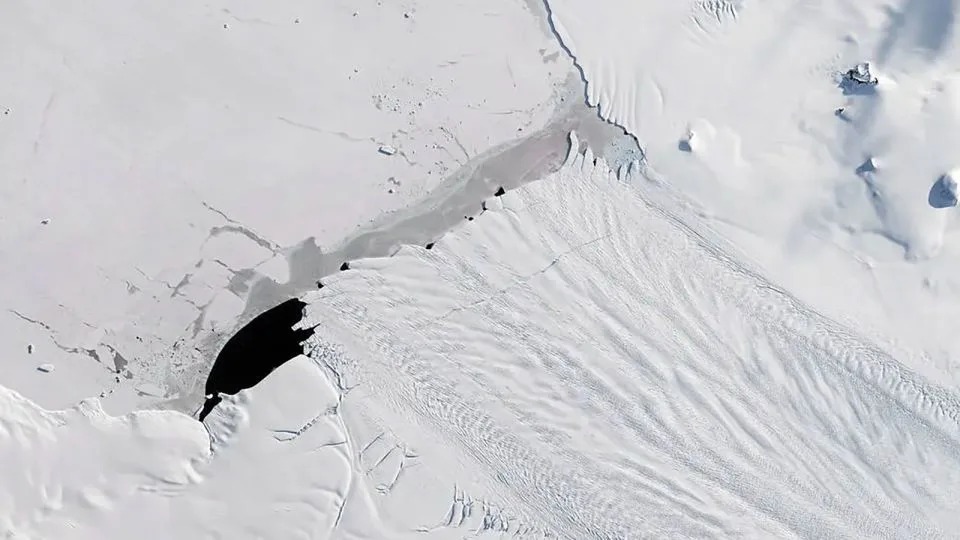
The parallels between Thwaites Glacier’s retreat and that of neighboring glaciers underscore the gravity of the situation. Pine Island Glacier, another significant ice stream in Antarctica, experienced a similar rapid retreat in the 1940s, suggesting a common underlying cause.
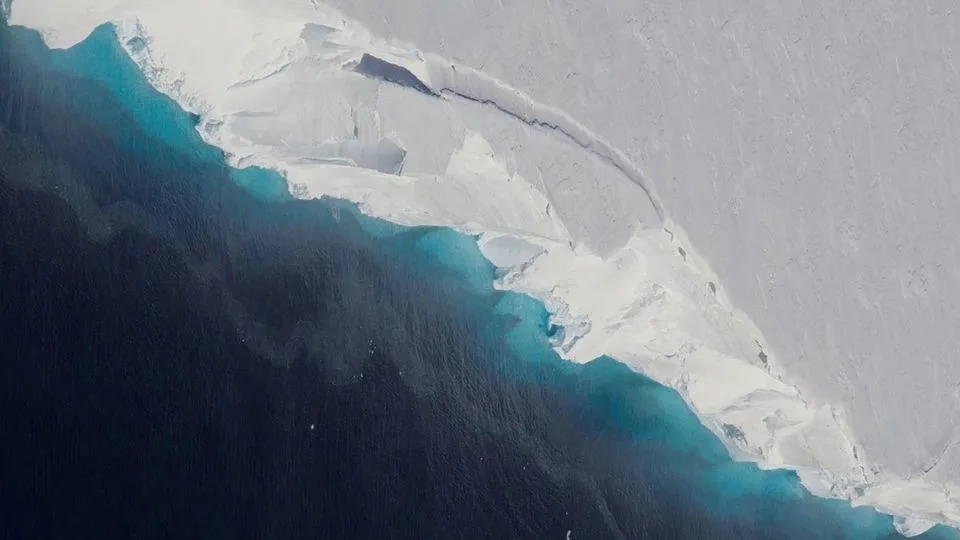
What’s particularly alarming is the irreversibility of Thwaites Glacier’s decline. Once set in motion, the retreat of ice sheets can persist for decades, even in the absence of exacerbating factors. This phenomenon underscores the urgency of addressing climate change and its profound impact on Earth’s polar regions.
While the study provides crucial insights into Thwaites Glacier’s past, it also serves as a stark warning for the future. As temperatures continue to rise and ice loss accelerates, the stability of Antarctica’s ice sheets hangs in the balance. Urgent action is needed to mitigate the impacts of climate change and safeguard the future of our planet.
As researchers continue to unravel the mysteries of Antarctica’s icy realm, one thing remains clear: the fate of Thwaites Glacier is inextricably linked to the fate of our planet. Whether humanity can rise to the challenge of addressing climate change will ultimately determine the future of Thwaites Glacier and the world beyond.
Leave a Reply