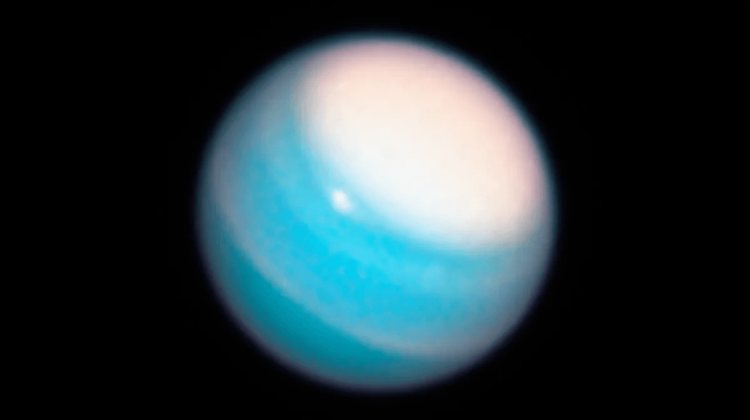
An intriguing discovery has emerged from the depths of our solar system, shedding new light on the enigmatic ice giant, Uranus. Recent studies suggest that Uranus may harbor a significantly higher concentration of methane than previously believed, challenging existing models of its composition and origin.
Long regarded as one of the distant, lesser-explored members of our planetary family, Uranus has remained elusive to scientific scrutiny, with only a solitary visit by NASA’s Voyager 2 probe providing fleeting insights into its mysteries. However, astronomers, armed with innovative modeling techniques and a thirst for knowledge, are peeling back the layers of this distant giant, uncovering surprises that defy conventional wisdom.
Traditionally classified as an ice giant alongside its celestial sibling Neptune, Uranus has been presumed to consist primarily of icy materials such as water, methane, and ammonia, enveloping a dense, rocky core. This assumption stemmed from theories positing that these giants formed in the outer reaches of our solar system amidst a primordial nebula abundant in the requisite elements.
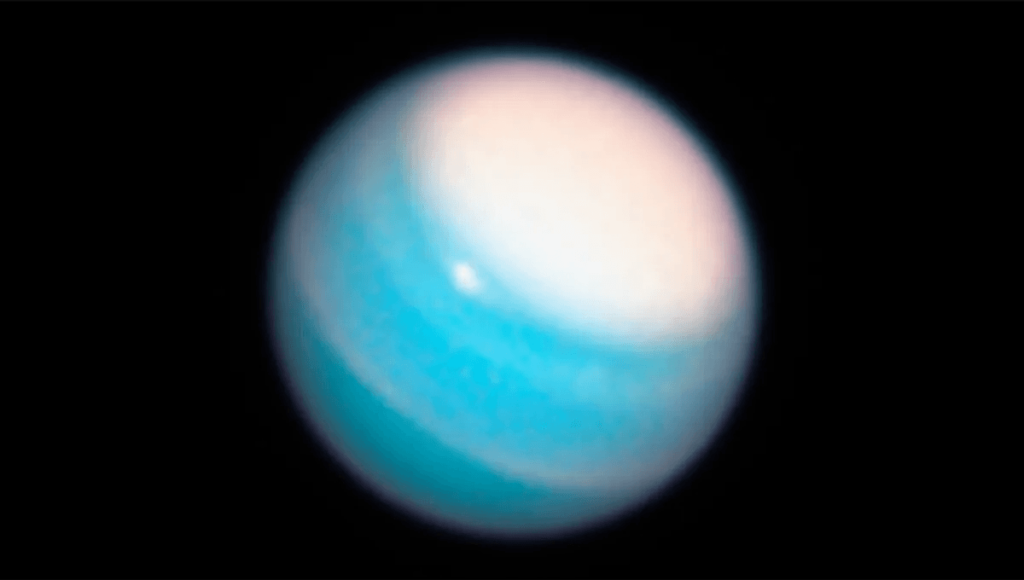
The latest research, presented in a yet-to-be-peer-reviewed paper, challenges this conventional narrative. By scrutinizing Uranus through a fresh lens, astronomers have unearthed compelling evidence suggesting a higher prevalence of methane deep within its core. This revelation has ignited a scientific reevaluation of Uranus’s composition and the processes that shaped it.
The crux of this newfound understanding lies in the intricate interplay of cosmic chemistry and celestial dynamics. The prevailing hypothesis implicates organic-rich refractory materials from the Kuiper belt, imbued with carbonaceous compounds, as key players in Uranus’s methane-rich makeup. These materials, upon colliding with the nascent planet, underwent transformative chemical reactions, catalyzed by intense heat and pressure, culminating in the genesis of a methane-enriched layer beneath Uranus’s surface.
To unravel this cosmic conundrum, scientists employed sophisticated modeling techniques, simulating myriad scenarios to match Uranus’s observed mass and structure. The most compelling models, it appears, feature an interior composition comprising at least 10 percent methane, with some variants boasting methane concentrations surpassing those of water—a departure from conventional expectations.
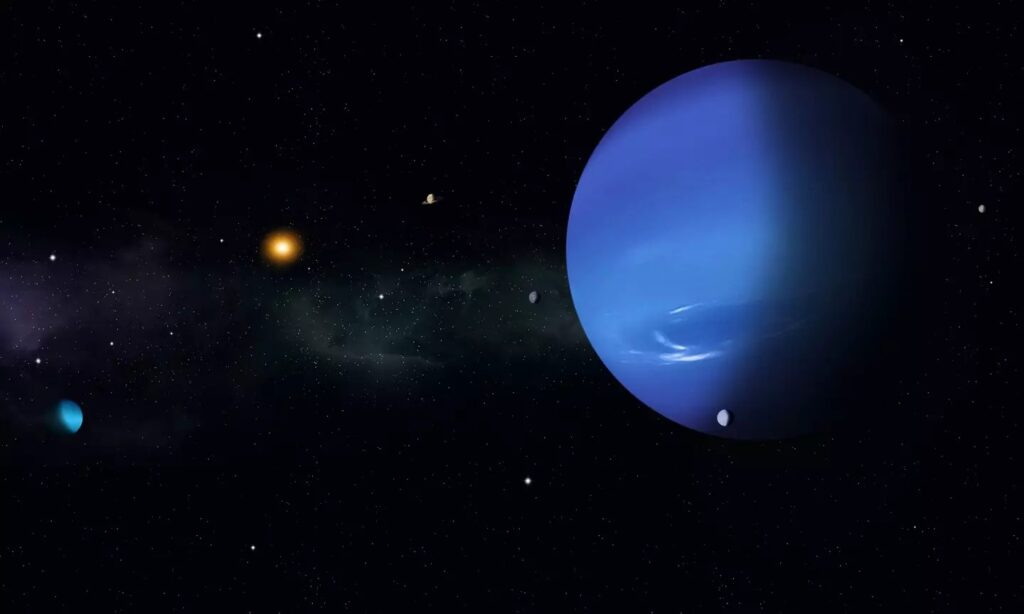
Yet, this paradigm-shifting revelation raises as many questions as it answers. How did a planet situated amidst water-poor celestial bodies amass such copious amounts of methane? What role did cosmic collisions and chemical transformations play in sculpting Uranus’s unique composition?
As researchers delve deeper into these tantalizing mysteries, one thing becomes abundantly clear: we are just scratching the surface of Uranus’s secrets. Future missions and observational endeavors promise to unveil further insights into the composition, evolution, and origins of this distant ice giant, reshaping our understanding of planetary formation and the dynamics of our solar system.
In conclusion, Uranus, once relegated to the outskirts of scientific curiosity, now emerges as a focal point of astronomical intrigue. Its methane-rich interior challenges preconceived notions and beckons us to delve deeper into its mysteries, reminding us that in the vast expanse of space, the most unexpected discoveries often lie just beyond our grasp. As we peer into the depths of Uranus, we embark on a journey of cosmic exploration and discovery, poised to unravel the secrets of our celestial neighbors and unlock the mysteries of the universe.
Leave a Reply