• Skip to main content
  • Skip to primary sidebar
  • Skip to footer
  • Home
  • About Us
  • Copyright Report
  • Submit Content
  • Terms
  • Privacy Policy
  • Legal Disclaimer

Hasan Jasim

Hasan Jasim is a place where you may get entertainment, viral videos, trending material, and breaking news. For a social generation, we are the largest community on the planet.

All you need to know about Bee Workers

by Hasan Jasim Editorial Team Leave a Comment

ShareTweet

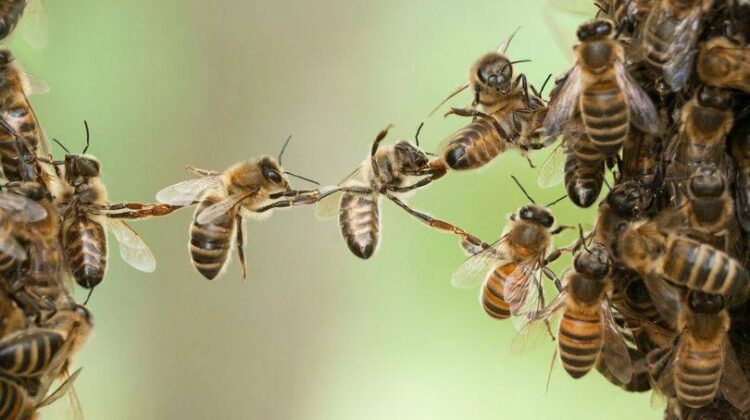
Workers make up the majority of bees living in the colony and are the smallest-bodied adults. Since they are immature females, they are unable to reproduce normally in the hive by laying eggs. Bee Workers are equipped with specific features including pollen baskets, smell glands, wax glands, and brood food glands that enable them to carry out all of the hive’s tasks. During their first few weeks as adults, they take care of the hive’s air conditioning and ventilation, clean and polish the cells, feed the brood, tend to the queen, clean up waste, handle incoming nectar, make beeswax combs, and guard the entrance. They forage for nectar, pollen, water, and propolis later on as field bees (plant sap).

During the summer, a worker’s lifespan is roughly 6 weeks. Bee Workers raised in the fall could live for up to six months, helping the colony get through the winter and raise new generations in the spring before they pass away.

Laying Workers
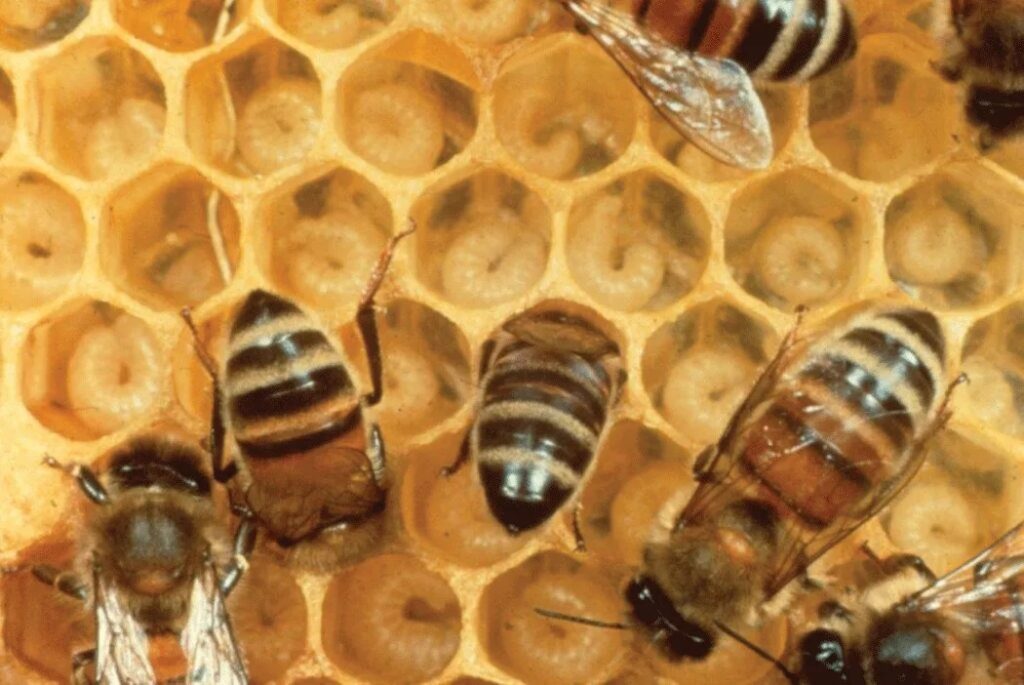
The ovaries of numerous Bee workers grow and they start to lay unfertilized eggs after a colony loses its queen. Brood, the queen, and her chemicals typically impede the growth of the workers’ ovaries. In most cases, the presence of laying workers in a colony indicates that the colony has been without a queen for a few weeks. However, during the swarming season and when the colony is led by a subpar queen, laying workers can also be observed in typical “queenright” colonies. Simple indicators that a colony has laying Bee workers include the presence of five to fifteen eggs per cell and the rearing of small-bodied drones in worker-sized cells.

Eggs can also be found on the sides of the cell rather than the base, where they are often found by a queen, because laying workers place their eggs there more randomly. Many of the drone larvae that do hatch from these eggs do not mature in the smaller cells because some of the eggs do not hatch.

Bee Development
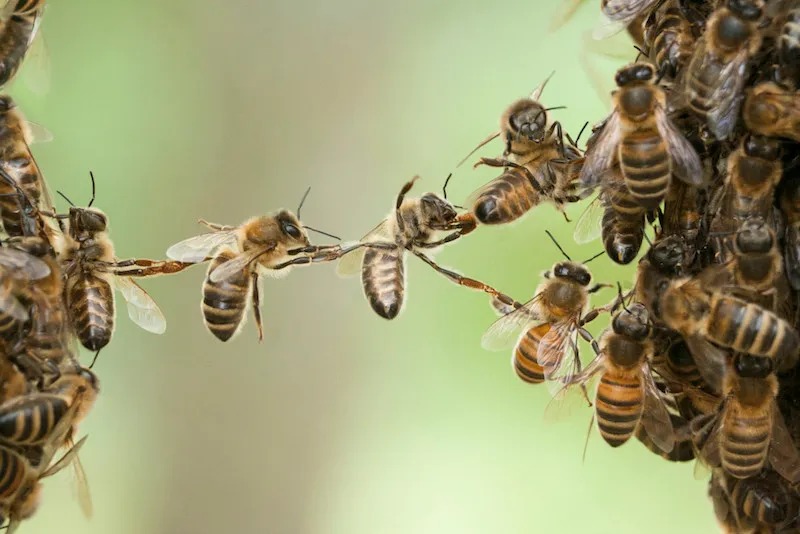

Before becoming adults, all three varieties of honey bees go through three developmental stages: egg, larva, and pupa. The term “brood” refers to all three phases. Although the developmental stages are comparable, their lengths do vary. Drones develop from unfertilized eggs, whereas Bee workers or queens develop from fertilized eggs. The development of a female bee’s caste is significantly influenced by nutrition; worker-destined larvae consume more honey and pollen than queen larvae, which consume vast quantities of royal jelly.

Filed Under: Trends Worldwide Tagged With: about, know, need, trends, workers, worldwide

Reader Interactions

Leave a Reply Cancel reply

Your email address will not be published. Required fields are marked *

Primary Sidebar

More to See

A Snake Savors the Rain: A Look Beyond Our Misconceptions

By Hasan Jasim Editorial Team

Officer Responds To A Regular Call And Falls In Love With A Little Dog

By Hasan Jasim Editorial Team

Are 20 inch rims too big?

By Hasan Jasim Editorial Team

After Thousands of Years, Wild Bison Have Returned to Britain

By Hasan Jasim Editorial Team

Toxic Skies: The Terrifying Reality of Air Pollution Over Ohio

By Hasan Jasim Editorial Team

A Devoted Father’s Feathered Fortress: The Heartwarming Tale of an African Jacana’s Protective Instincts

By Hasan Jasim Editorial Team

Video of Baby Owls May Actually Help Explain Alien Sightings

By Hasan Jasim Editorial Team

Footer

ABOUT HASANJASIM.ONLINE

Hasanjasim.online is a digital platform dedicated to publishing well-researched articles about the animal kingdom, nature, and the environment. Our editorial team works to source stories from credible outlets, scientific research, and verified reports, aiming to inform as much as we entertain. From wildlife conservation and animal behavior to natural wonders and environmental science, we cover the topics that help readers better understand and appreciate the natural world. Whether you're a lifelong nature lover or simply curious about the planet we share, Hasanjasim.online aims to be a trustworthy destination for stories worth reading — and worth citing.

Recent

  • Scientists Found Ancient Americans Living Where No Humans Should Have Been
  • This African Bird Wears Sunflowers Around Its Eyes — Meet the White-Crested Helmetshrike
  • 25 Animals You’ve Probably Never Heard Of — From a Cuban Land Snail to a Marsupial That Mates Itself to Death
  • Woman finds cow’s tooth in takeout taco. The chain says it can happen
  • Healthy Senior Dog Spared After Family Asked Veterinarians to Euthanize Her, Georgia Rescue Says
  • How People Around the World Write Laughter Online
  • The Disturbing Story Behind This Award-Winning Photojournalism Image

Search