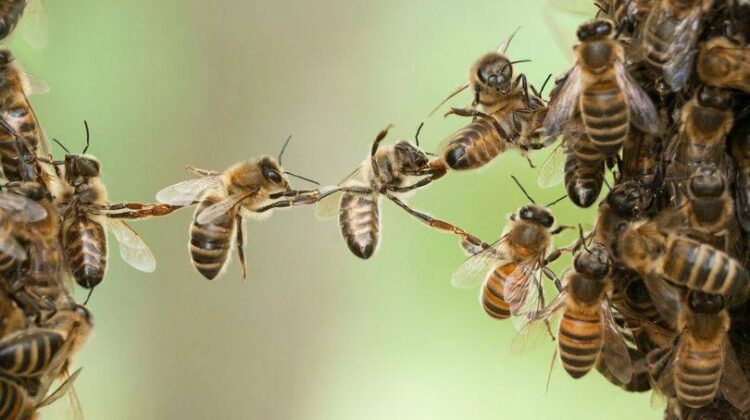
Workers make up the majority of bees living in the colony and are the smallest-bodied adults. Since they are immature females, they are unable to reproduce normally in the hive by laying eggs. Bee Workers are equipped with specific features including pollen baskets, smell glands, wax glands, and brood food glands that enable them to carry out all of the hive’s tasks. During their first few weeks as adults, they take care of the hive’s air conditioning and ventilation, clean and polish the cells, feed the brood, tend to the queen, clean up waste, handle incoming nectar, make beeswax combs, and guard the entrance. They forage for nectar, pollen, water, and propolis later on as field bees (plant sap).
During the summer, a worker’s lifespan is roughly 6 weeks. Bee Workers raised in the fall could live for up to six months, helping the colony get through the winter and raise new generations in the spring before they pass away.
Laying Workers
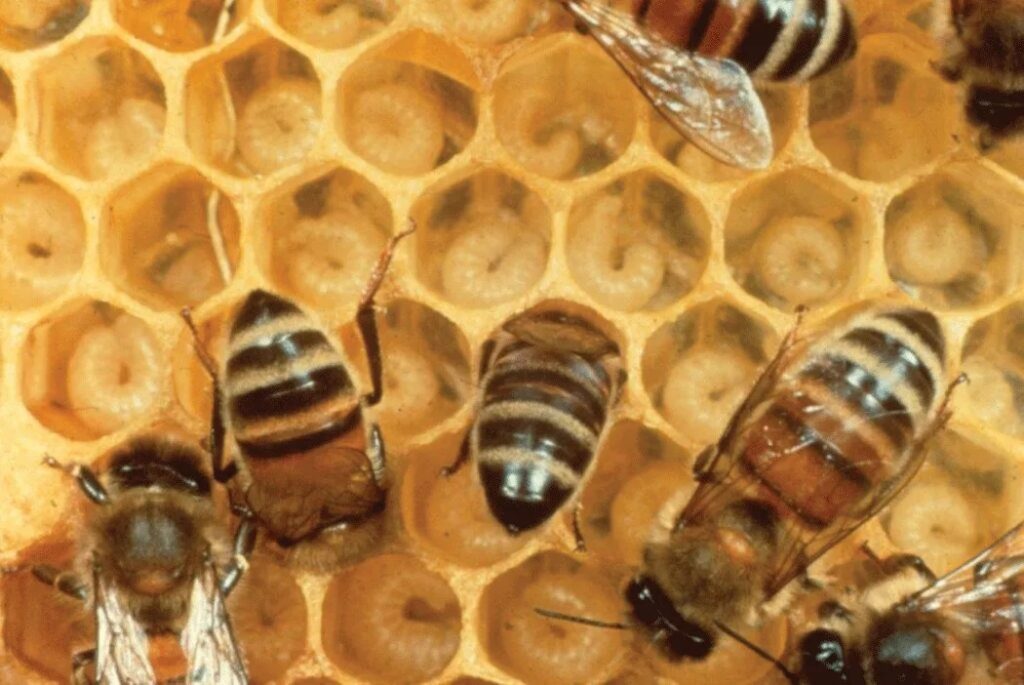
The ovaries of numerous Bee workers grow and they start to lay unfertilized eggs after a colony loses its queen. Brood, the queen, and her chemicals typically impede the growth of the workers’ ovaries. In most cases, the presence of laying workers in a colony indicates that the colony has been without a queen for a few weeks. However, during the swarming season and when the colony is led by a subpar queen, laying workers can also be observed in typical “queenright” colonies. Simple indicators that a colony has laying Bee workers include the presence of five to fifteen eggs per cell and the rearing of small-bodied drones in worker-sized cells.
Eggs can also be found on the sides of the cell rather than the base, where they are often found by a queen, because laying workers place their eggs there more randomly. Many of the drone larvae that do hatch from these eggs do not mature in the smaller cells because some of the eggs do not hatch.
Bee Development
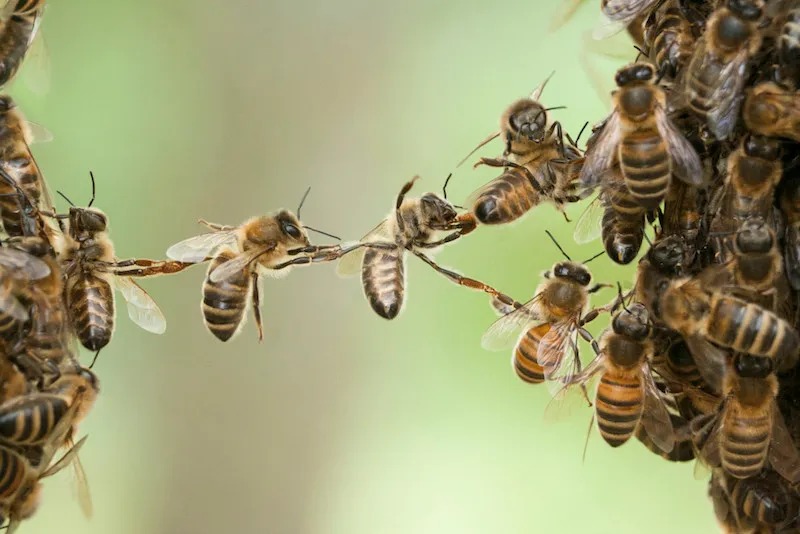
Before becoming adults, all three varieties of honey bees go through three developmental stages: egg, larva, and pupa. The term “brood” refers to all three phases. Although the developmental stages are comparable, their lengths do vary. Drones develop from unfertilized eggs, whereas Bee workers or queens develop from fertilized eggs. The development of a female bee’s caste is significantly influenced by nutrition; worker-destined larvae consume more honey and pollen than queen larvae, which consume vast quantities of royal jelly.
Leave a Reply