• Skip to main content
  • Skip to primary sidebar
  • Skip to footer
  • Home
  • About Us
  • Copyright Report
  • Submit Content
  • Terms
  • Privacy Policy
  • Legal Disclaimer

Hasan Jasim

Hasan Jasim is a place where you may get entertainment, viral videos, trending material, and breaking news. For a social generation, we are the largest community on the planet.

“Disturbing Level” Of Fiberglass Found In Food Chain For First Time

by Hasan Jasim Editorial Team Leave a Comment

ShareTweet

If you’re a fan of seafood, there’s a good chance you’ve chowed down on fiberglass.

Scientists at the Universities of Brighton and Portsmouth have uncovered significant fiberglass contamination in oysters and mussels collected from an active boatyard in Chichester Harbor, a popular sailing location in South England.

Within the edible soft tissues of these shellfish, researchers detected a startling amount of fiberglass, also known as glass-reinforced plastic (GRP). Their experiments revealed concentrations as high as 11,220 fiberglass particles per kilogram in oysters and 2,740 particles per kilogram in mussels.
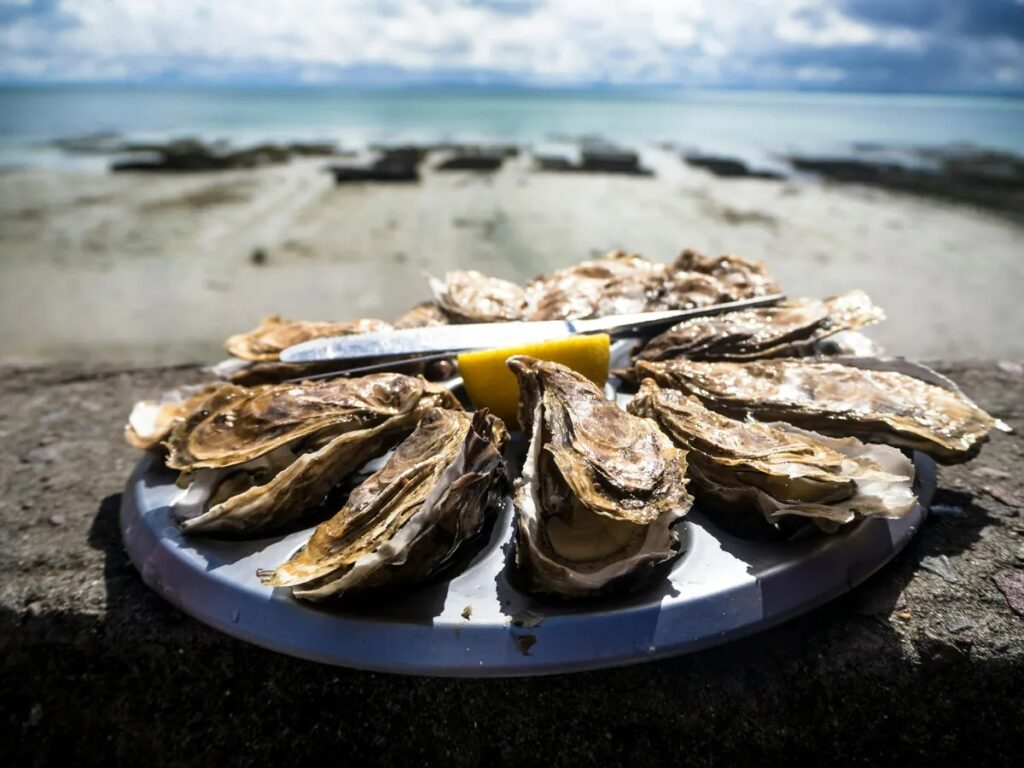
Shellfish are the aquatic canary in the coal mine because pick up on all kinds of environmental changes.
Image credit: Tommaso Cantelli/Unsplash

“Our findings show a disturbing level of GRP contamination in marine life. This study is the first of its kind to document such extensive contamination in natural bivalve populations. It’s a stark reminder of the hidden dangers in our environment,” stated Dr. Corina Ciocan, principal lecturer in marine biology from the University of Brighton.

Fiberglass is a type of reinforced plastic material composed of extremely fine glass fibers embedded into a resinous matrix. Valued for its durability and lightweight properties, it has been extensively used in boat manufacturing since the 1960s.
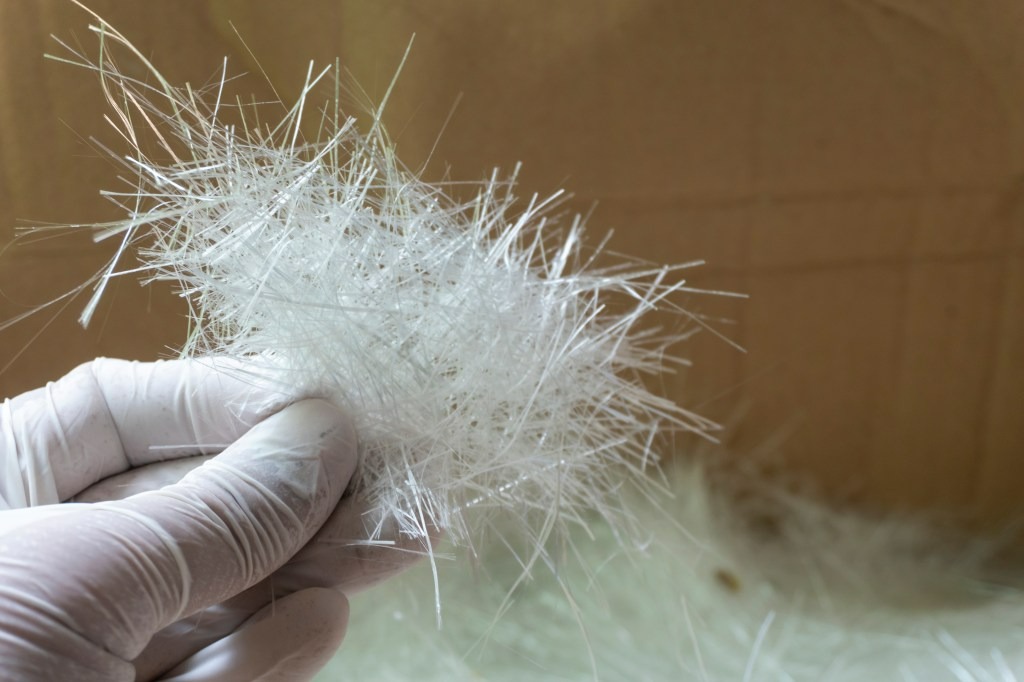
The new study indicates that fiberglass particles are released into the environment when boats are crushed, dismantled, or repaired. The highest levels of GRP contamination were observed during winter, a season when many sailing enthusiasts take advantage of the poor weather to perform maintenance on their boats.

Once released into the water, these particles are “sucked up” by filter-feeding bivalves, such as oysters and mussels. The filter-feeding process results in the consumption of various microparticle contaminants, including infectious pathogens and plastics.

The researchers suggest that GRP contamination may adversely affect the health of shellfish and could potentially be fatal to them. They are now eager to investigate whether fiberglass microparticles can transfer up the food chain and pose a risk to human health.

“It’s a global issue, particularly for island nations with limited landfill space. Efforts are being made to find viable disposal solutions, but more needs to be done to prevent at-sea dumping and onshore burning,” explained Professor Fay Couceiro from the University of Portsmouth.
“We’re just starting to understand the extent of fiberglass contamination,” she noted.

The findings highlight the urgent need for better management practices and innovative solutions to address fiberglass pollution in marine environments.

Filed Under: Trends Worldwide Tagged With: chain, disturbing, fiberglass, first, Food, found,, level, time, trends, worldwide

Reader Interactions

Leave a Reply Cancel reply

Your email address will not be published. Required fields are marked *

Primary Sidebar

More to See

Woman saves “unadoptable” cat and helps him flourish

By Hasan Jasim Editorial Team

Maine’s ‘lobster lady’ Virginia Oliver, who worked decades in the lobster industry, dies at 105

By Hasan Jasim Editorial Team

Every week, The Dog Patiently Awaits The Arrival Of Her Favorite Garbage Man

By Hasan Jasim Editorial Team

Warning: Emergency Officials In Texas Warn Schools Should Close For The Eclipse

By Hasan Jasim Editorial Team

Maps Show Antarctic Is Turning Green With Plant Life – A Troubling Sign For The Planet

By Hasan Jasim Editorial Team

INSIDE OF A FISH: The Busy Life of a Striped Mackerel

By Hasan Jasim Editorial Team

Maschen Shunting Yard: The Largest Rail Yard in Europe Near Hamburg, Germany

By Hasan Jasim Editorial Team

Footer

ABOUT HASANJASIM.ONLINE

Hasanjasim.online is a digital platform dedicated to publishing well-researched articles about the animal kingdom, nature, and the environment. Our editorial team works to source stories from credible outlets, scientific research, and verified reports, aiming to inform as much as we entertain. From wildlife conservation and animal behavior to natural wonders and environmental science, we cover the topics that help readers better understand and appreciate the natural world. Whether you're a lifelong nature lover or simply curious about the planet we share, Hasanjasim.online aims to be a trustworthy destination for stories worth reading — and worth citing.

Recent

  • The Viral Trend of Dogs Getting Their Own Maternity Photoshoots
  • The Seahorse Photo That Captured a Silent Farewell — And Won Photography’s Top Ocean Prize
  • Blood-Soaked California Poachers Arrested After Cops Make Horrifying Discovery
  • The Moment an Emu Wrestled a Man to the Ground — Then Turned the Tables
  • Why didn’t anyone tell me there’s an animal that smells exactly like hot, buttered popcorn?
  • I Never Liked the Caribbean—But This Island With Waterfalls, Hot Springs, and Rainforests Won Me Over
  • He Was a Magnificent 17-Point Buck — Now His Life Is Over

Search