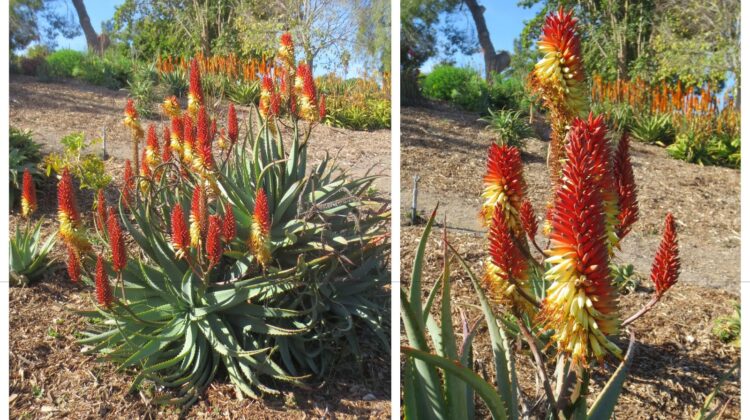
Seeing an aloe vera plant bloom at home can seem extraordinary. Many people have an aloe vera plant for years without ever seeing a single flower, so when a tall stalk with showy blooms finally appears, the inevitable question arises: why did it happen now?
The answer combines biology, environmental conditions, and cultural interpretations that, for centuries, have considered this flowering a special symbol.
The scientific explanation: a sign of maturity and balance
From a botanical perspective, aloe vera blooms when it reaches reproductive maturity and receives the right combination of environmental factors. It’s not a random event.
For an aloe vera plant to bloom normally, it needs:
A good amount of direct sunlight
Moderate watering without overwatering
Well-draining soil
Temperature fluctuations between day and night
A certain level of “positive stress”
This last concept, known as hormesis, indicates that some organisms react favorably to minor difficulties. In the case of aloe, situations such as a brief period of drought, roots that are tightly packed in the pot, or cooler nights can trigger its reproductive process.
In its natural habitat, in arid regions of Africa and the Arabian Peninsula, these changes occur frequently. That’s why it blooms much more there than indoors.
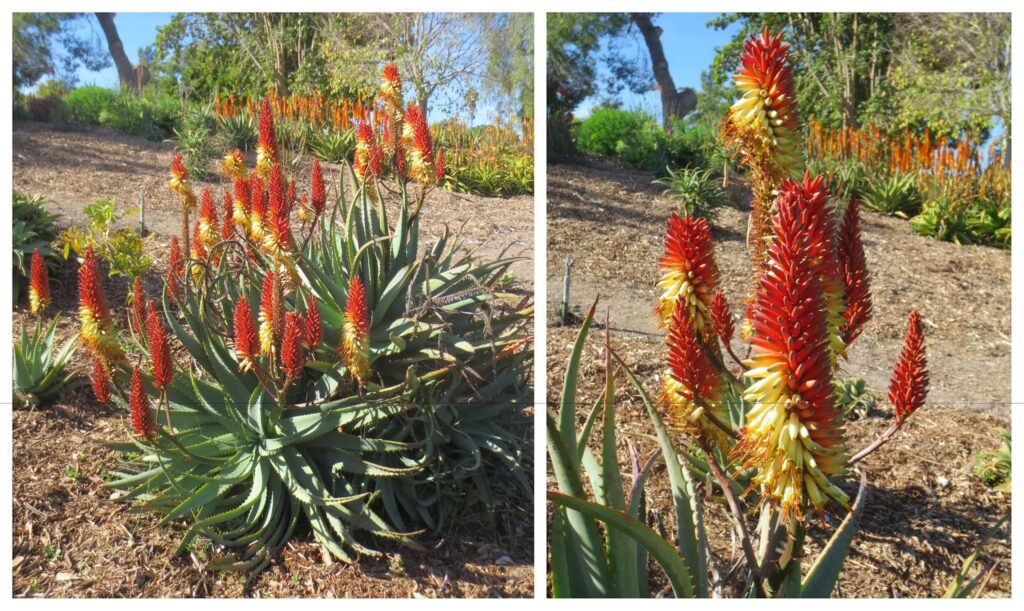
If it blooms in your home, it means that the conditions you’ve created are sufficiently similar to its natural environment.
What does the aloe flower look like and why does it have that shape?
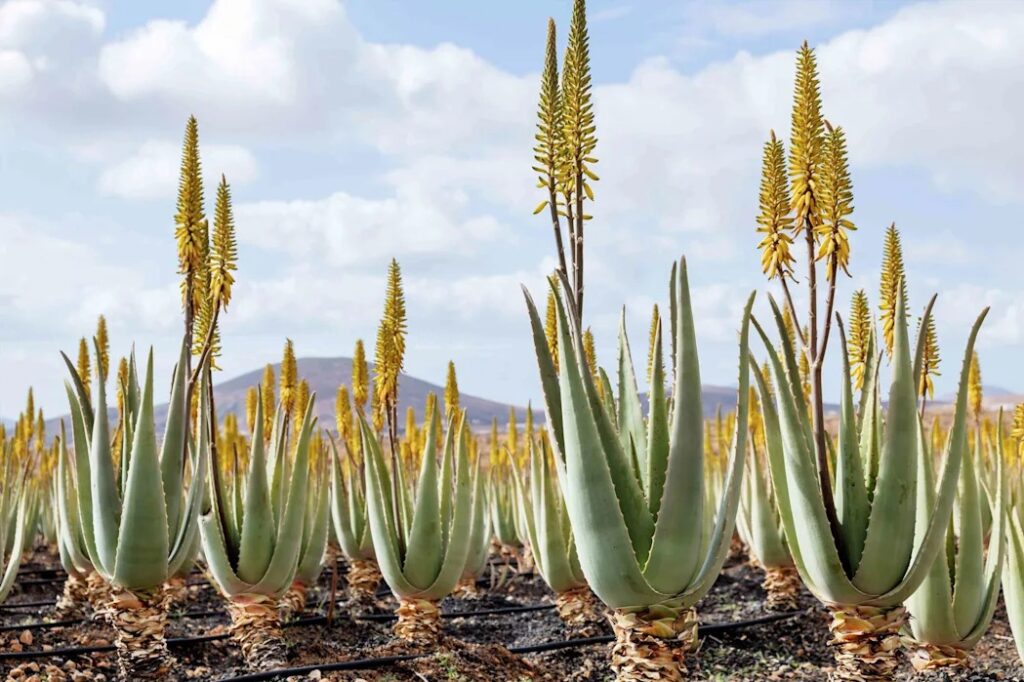
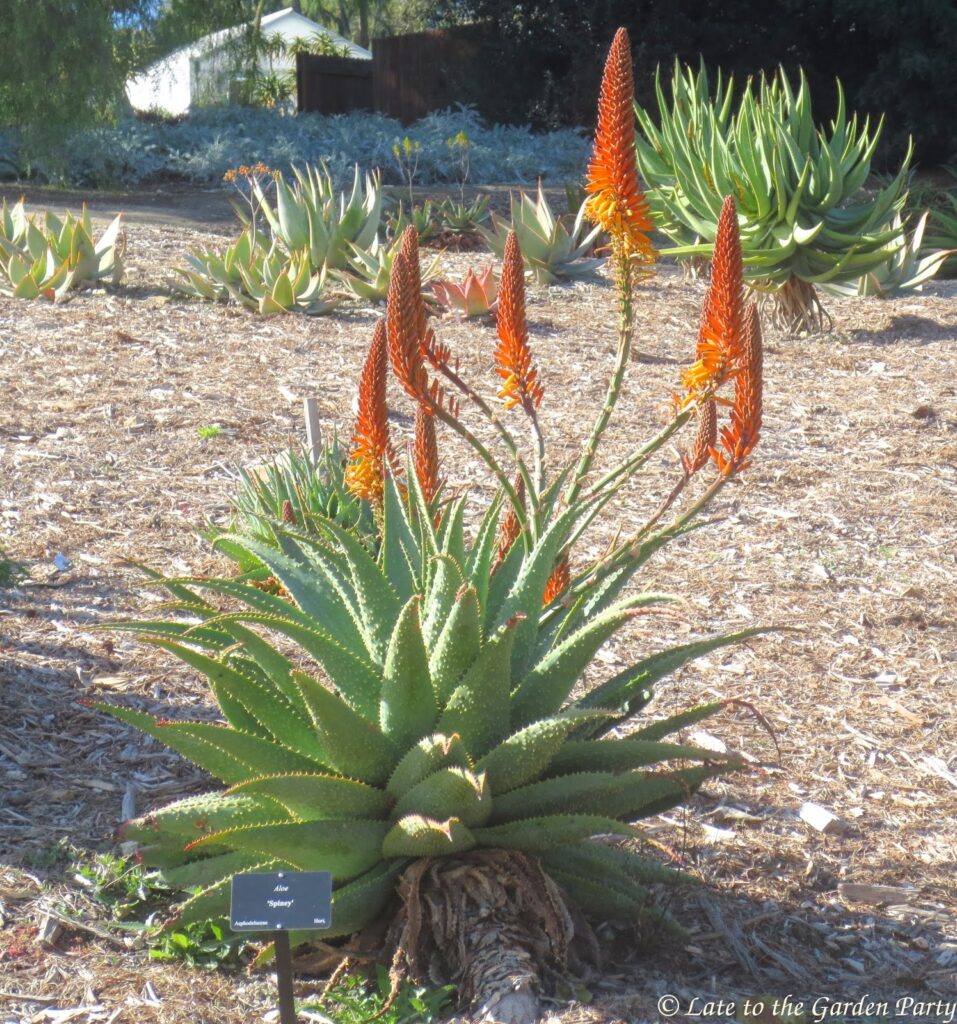
When it blooms, the aloe produces a stem that can reach nearly a meter in height. On it appear clusters of tubular flowers that are yellow, orange, or reddish.
These flowers are not randomly designed. Their tubular shape facilitates pollination by birds like hummingbirds, which feed on the nectar.
This shows that the plant invests all the energy it has accumulated over years to ensure its reproduction and continued existence.
The traditional meaning of flowering
In many ancient cultures, aloe was considered a protective and sacred plant.
In African traditions, the flower symbolized the connection between earth and sky.
In ancient Egypt, it was known as the plant of immortality.
In Mediterranean regions, it was placed on doorways as a symbol of protection.
In Latin American folklore, a flowering aloe vera plant is often interpreted as a sign of good news or renewal.
Beyond beliefs, they all agree on one idea: the flower appears when there is abundance and stability.
Aloe vera as a purifying plant
In addition to its symbolic value, aloe vera also has proven properties.
Studies on indoor air quality have shown that it can help reduce certain pollutants. This reinforces the traditional idea that aloe vera “cleanses” the environment.
Therefore, when it blooms, many people interpret it as an indication that the space has good light, stability, and favorable conditions.
The true message behind a flowering aloe vera plant
There is an interesting point that unites science and tradition.
The conditions necessary for flowering don’t just appear on their own. Someone has to:
Place the plant where it receives enough light
Water it carefully
Maintain a stable environment
Allow it to go through its natural cycles
In other words, flowering is usually the result of consistent and balanced care.
From a symbolic perspective, it can be interpreted as a sign that the environment—and the person caring for it—has achieved a good balance.
How to increase the chances of your aloe vera flowering
Although there’s no guaranteed method, you can encourage flowering by following these recommendations:
1. Give it plenty of light
It needs at least 6 hours of direct sunlight per day. Place it near the sunniest window.
2. Water only when the soil is dry
Overwatering is the most common mistake. Aloe tolerates drought better than waterlogging.
3. Use a succulent potting mix
It should drain quickly. You can mix soil with coarse sand or perlite.
4. Allow for temperature changes
Slightly cooler nights help activate the natural flowering process.
5. Fertilize moderately
During spring and summer, you can use diluted succulent fertilizer once a month.
6. Be patient
Some plants take between 4 and 10 years to flower, and others may never flower indoors.
Tips and recommendations
Don’t repot the plant unnecessarily if it’s healthy; some root restriction can encourage flowering.
Avoid constantly moving it. Aloe thrives in stable conditions.
Clean the dust from the leaves so they absorb light better.
If it flowers, don’t cut the stem immediately; let it complete its natural cycle.
After flowering, continue with normal care; the plant won’t die from blooming.
The flowering of aloe vera is not a common event, but rather the result of maturity, favorable conditions, and a balanced environment. Beyond symbolic interpretations, seeing an aloe vera plant bloom is simply confirmation that the plant has received the proper care to thrive.
For homeowners and plant enthusiasts investing in indoor gardening systems, premium succulent soil mixes, smart plant lighting solutions, and eco-friendly home improvement products, understanding the flowering cycle of aloe vera can help maximize plant health and longevity. Proper lighting equipment, moisture control tools, and high-quality fertilizers play a significant role in encouraging healthy growth. Creating the right indoor environment not only supports flowering but also enhances overall home air quality and long-term plant sustainability.
Leave a Reply