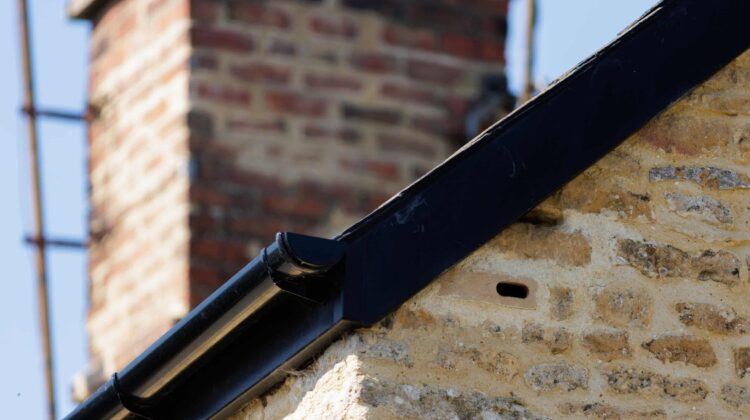
Scotland is introducing pioneering building regulations aimed at protecting declining bird populations by requiring new developments to include “swift bricks” — specially designed nesting spaces built directly into modern structures.
The move is intended to address one of the lesser-known environmental consequences of contemporary construction: the disappearance of traditional nesting spaces for birds that once relied on cracks, crevices and gaps in older buildings.
Among the primary beneficiaries are swifts, highly aerial migratory birds whose populations have fallen dramatically in recent decades.
Conservation groups say modern insulation systems, sealed facades and energy-efficient renovations have unintentionally removed many of the nesting opportunities these birds historically depended on.
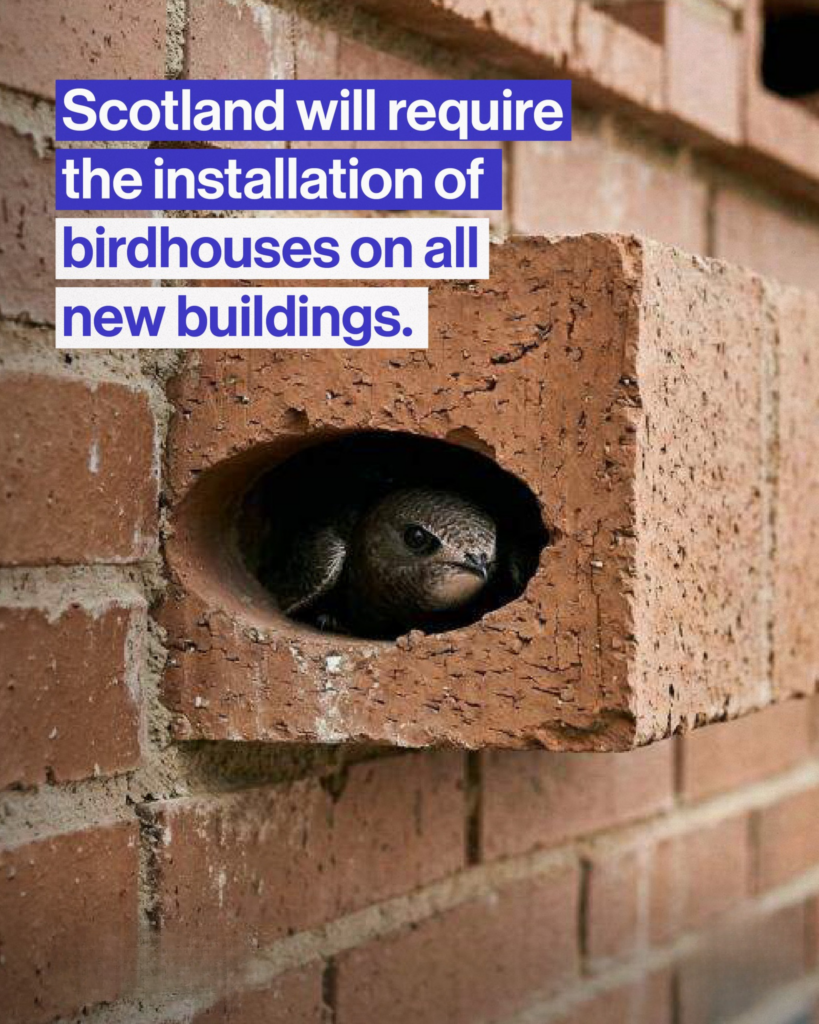
Swift bricks are designed as a practical solution.
Integrated directly into exterior walls during construction, the hollow bricks create secure nesting cavities while maintaining a building’s structural performance and energy standards.
Because they are installed during the building phase, they are considered relatively low-cost and require little to no maintenance once in place.
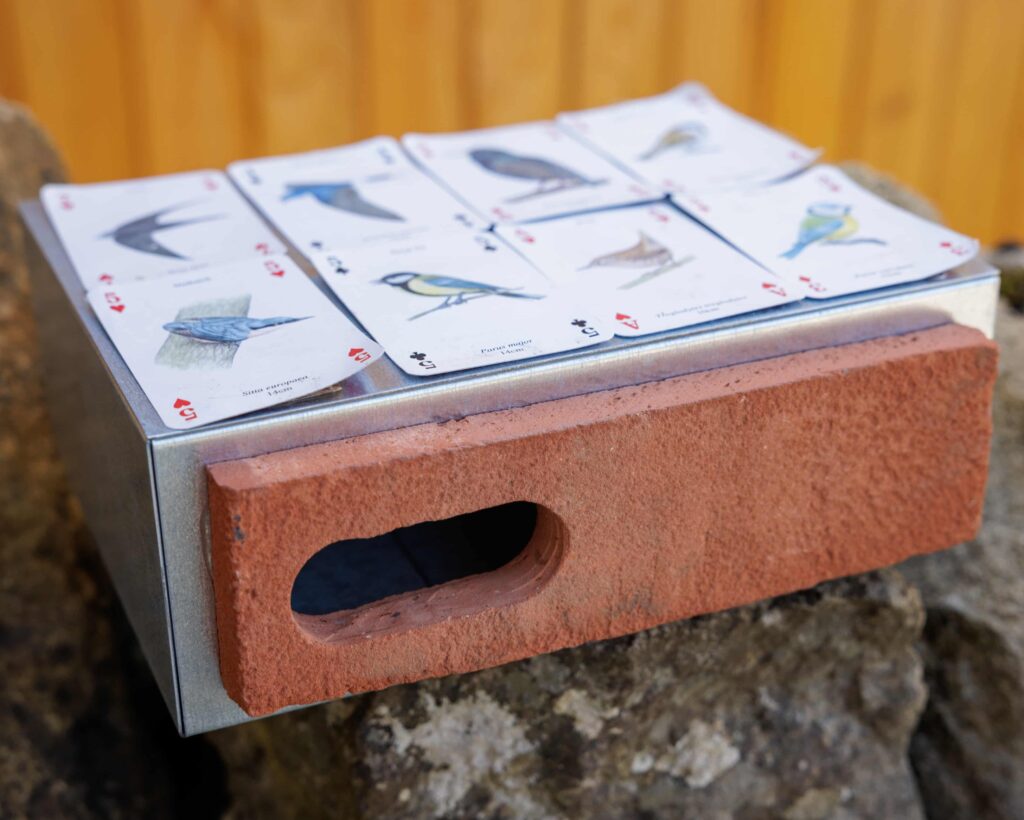
Although the legislation focuses heavily on supporting swifts, experts say other cavity-nesting urban birds — including sparrows and starlings — may also benefit.
Environmental advocates have praised the policy as an example of how relatively small design adjustments can produce substantial biodiversity gains in increasingly urbanized landscapes.
The regulation is expected to move through a technical consultation period before full implementation, allowing policymakers, builders and conservation specialists to refine standards and practical guidance.
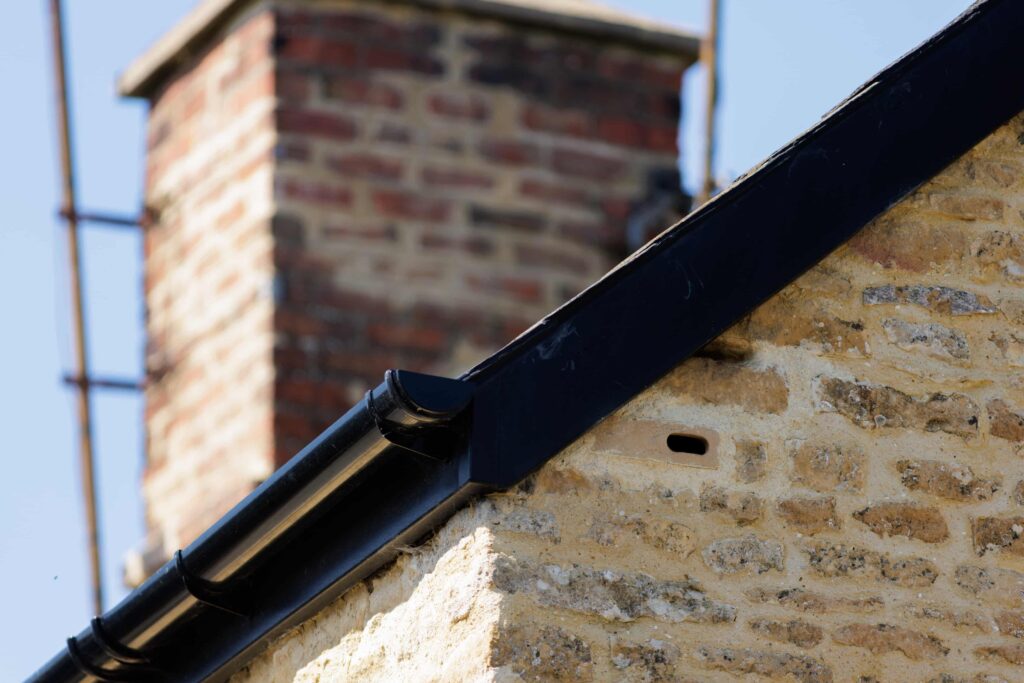
The initiative also reflects a broader shift in urban planning, where biodiversity is increasingly being considered alongside sustainability, housing development and energy efficiency.
As cities expand and building practices modernize, habitat-friendly design is becoming a growing area of interest for governments seeking to balance infrastructure with ecological preservation.
For supporters, Scotland’s approach may offer a model for how architecture can actively contribute to conservation rather than unintentionally accelerate species decline.
Why wildlife-friendly architecture is gaining attention
As governments and developers face rising pressure to combine sustainability with biodiversity protection, features such as swift bricks, green roofs, pollinator spaces and habitat-conscious planning are increasingly seen as part of future-ready construction. These approaches may influence urban policy, property development standards and environmental investment far beyond bird conservation alone.
Leave a Reply