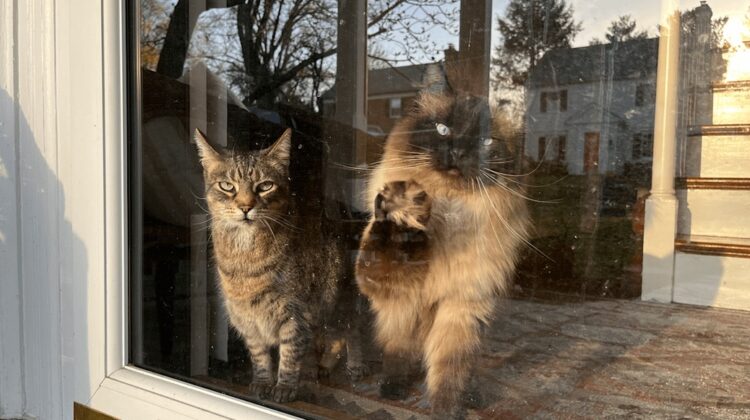
An Australian zoologist has called for the gradual elimination of pet cats in Australia, arguing that domestic and feral cats are causing devastating losses to the country’s unique native wildlife. The proposal has sparked widespread debate among conservationists, scientists and millions of Australian pet owners.
Dr. Antone Martinho-Truswell of the University of Sydney believes Australia should ban the breeding and sale of pet cats, allowing the domestic cat population to decline naturally over time. He argues that cats kill more native wildlife than any other introduced species that Australians are prohibited from owning.
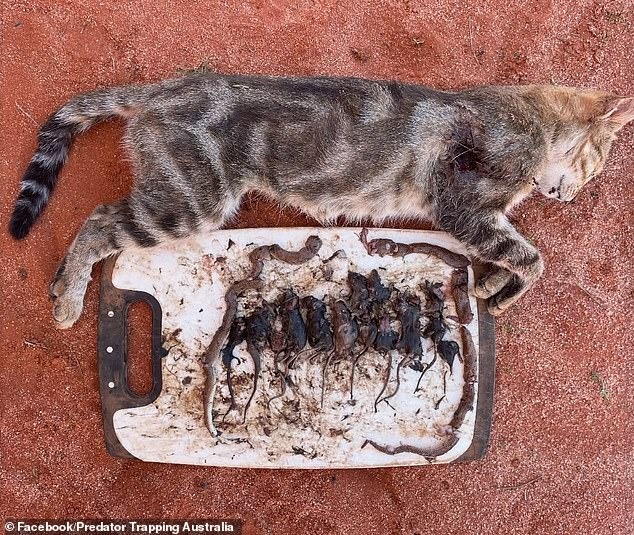
Australia is estimated to have around six million feral cats and nearly five million pet cats. According to the Invasive Species Council, the two populations together kill about three billion native animals every year—roughly 8.2 million animals every day. The victims include mammals, birds, reptiles, frogs and countless invertebrates, with pet cats alone estimated to kill around 400 million native animals annually.
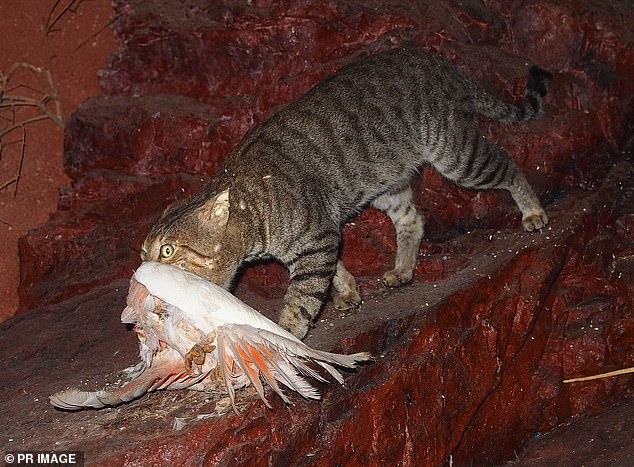
Researchers have also found that some domestic cats travel surprisingly long distances while hunting, particularly after bushfires when wildlife is more exposed. Feral cats, meanwhile, are regarded as one of Australia’s most damaging invasive predators and have been linked to the decline of numerous endangered species.
Not all experts support banning pet ownership. Some conservationists argue that stricter measures—including keeping cats indoors, using enclosed outdoor “catios,” mandatory desexing, microchipping and preventing roaming—could dramatically reduce wildlife losses without eliminating pet cats altogether.
The proposal also comes amid ongoing scientific debate over the role cats have played in Australia’s biodiversity crisis. While some researchers have questioned whether cats are solely responsible for many native mammal extinctions, a group of leading Australian conservation scientists maintains that the evidence overwhelmingly shows feral cats and foxes remain among the biggest threats to the country’s remaining wildlife.

Whether Australia should ban pet cats or strengthen responsible ownership laws remains controversial, but there is broad agreement among wildlife experts that reducing the impact of roaming cats is essential if many of Australia’s unique native species are to survive.
Wildlife Conservation and Responsible Pet Ownership
As habitat loss, climate change and invasive predators continue to threaten biodiversity worldwide, responsible pet ownership has become an increasingly important part of wildlife conservation. Experts recommend keeping cats indoors or in secure outdoor enclosures, desexing and microchipping pets, and supporting local conservation programs to help protect vulnerable native species. These measures not only reduce risks to wildlife but also improve the health and safety of domestic cats.
Leave a Reply