
A woman accused of injuring a baby duck at one of Las Vegas’ most famous tourist attractions is challenging the criminal charges against her, arguing that the animal cruelty law used by prosecutors should not apply because the duck was a wild animal rather than a domesticated pet. The unusual legal dispute has drawn attention not only to the alleged incident itself but also to how animal protection laws are interpreted in court.

The case centers on 29-year-old Destiny Reyes, who has been in custody since her arrest in early June after police alleged she entered the fountain outside The Venetian resort on the Las Vegas Strip and removed a duckling from the water. Investigators claim she repeatedly tossed the young bird into the air, carried it around, shook it, dropped it onto the pavement, struck it with her hand, and forcibly spread its wings, leaving the duck with an injured wing, according to wildlife officials.

Police reported that when officers arrested Reyes on June 9, she was uncooperative and declined to discuss the incident. She later pleaded not guilty to the allegations.

The legal battle now focuses on whether prosecutors used the correct criminal statute. Her public defender argues that the original charge—willful or malicious torture, maiming, or mutilation of an animal—was intended to protect animals kept for companionship or pleasure. According to the defense, because the duck was a wild animal living in the fountain and not owned by any individual or business, the statute should not apply.
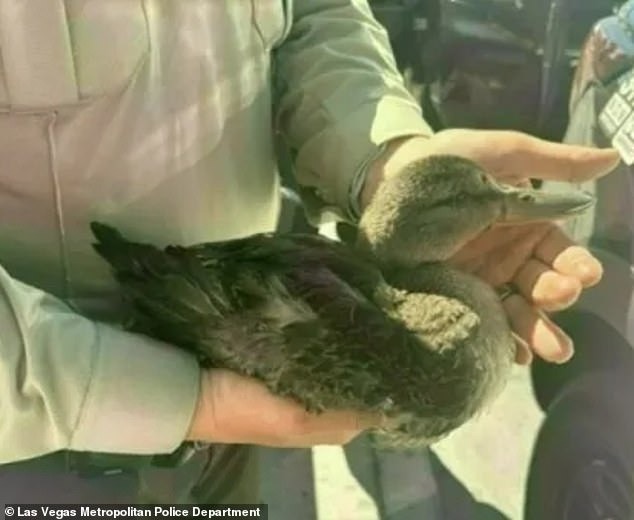
Defense attorneys have filed a petition challenging Reyes’ detention, asking the court to dismiss the original charges and reconsider the legal basis for the prosecution. Court records indicate the charges have since been amended to a broader animal cruelty offense, which carries significantly lighter penalties than the original felony allegation.

Under Nevada law, the initial charge could result in a prison sentence of up to four years if a defendant is convicted of intentionally torturing or seriously injuring a protected animal. The revised misdemeanor animal cruelty charge carries a maximum penalty of six months in jail and lower financial penalties if convicted.

According to court filings, Reyes has remained in custody despite being granted bail because her attorney says she fears for her safety after allegedly receiving numerous threats following widespread media coverage of the case. A court hearing on her legal challenge is scheduled before the case proceeds toward a jury trial.

The incident has generated strong public reactions and renewed discussion about legal protections for wild animals. While the courts will ultimately determine whether prosecutors applied the appropriate law, animal welfare experts continue to emphasize that wild animals deserve humane treatment and that unnecessary harm to wildlife should always be reported to the appropriate authorities.
Leave a Reply