
A tick no bigger than a lentil can leave behind something much larger than an itchy bump: an allergy to red meat, dairy and other mammal-derived foods. The condition is called alpha-gal syndrome, and nowhere is its impact clearer than on Martha’s Vineyard, where hospitals, restaurants and schools have reorganized around it.
The Tick Behind the Allergy
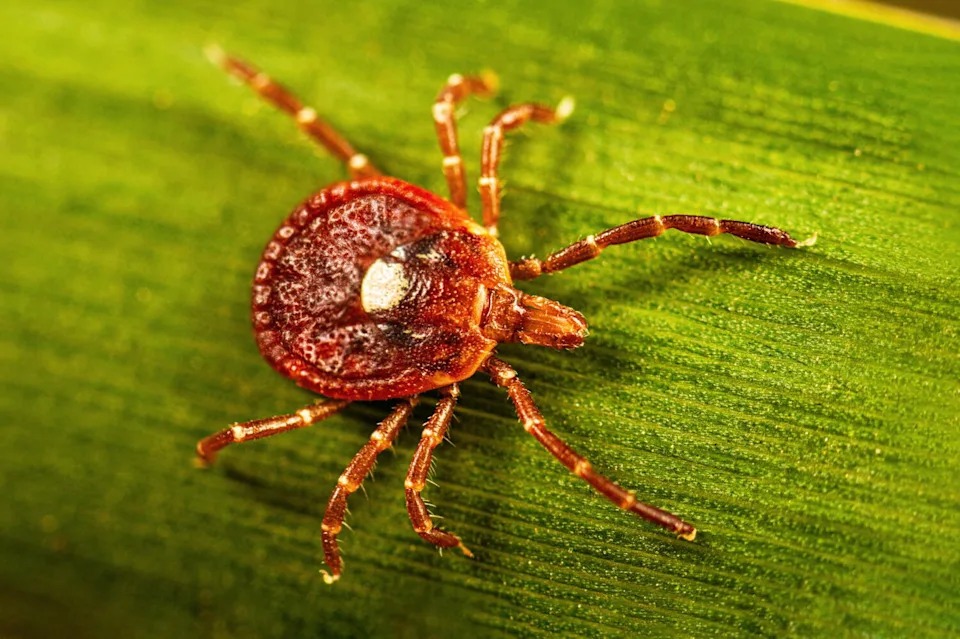
The lone star tick (Amblyomma americanum) is named for the white spot on the female’s back. Once largely a Southeastern pest, it has spread north and west in recent years. Warmer weather and booming white-tailed deer populations, where the ticks feed and breed, are widely blamed. Thomas Mather, a tick researcher at the University of Rhode Island, calls it “the most aggressive tick in North America.”

Its bite can introduce a sugar molecule called alpha-gal, found in most mammals but not in humans. Some people’s immune systems respond by producing antibodies, and the next time they eat meat or dairy, they can have an allergic reaction. The reaction is often delayed by several hours, which makes the cause hard to spot. Symptoms range from stomach cramps, nausea and hives to life-threatening anaphylaxis. The CDC says there is no cure, and researchers still don’t know why some people react and others don’t.
Martha’s Vineyard: Ground Zero
The island off Cape Cod has become the poster child for the problem. According to the Vineyard Gazette, Martha’s Vineyard Hospital recorded just two positive alpha-gal tests in 2020, 742 in 2025, and 572 in 2026 as of late August. These are positive tests rather than confirmed cases, since some people are tested more than once and some test positive without symptoms.

The response has been wide-ranging. The hospital is following hundreds of people bitten by lone star ticks in a first-of-its-kind study. A new tick clinic is treating patients. Restaurants have changed menus and kitchen practices, and school lunches now offer more meatless and dairy-free options.
Not Just an Island Problem
In July 2026, a CDC-led study in Morbidity and Mortality Weekly Report tested blood donor samples from 10 states. In the five states with the highest rates, Arkansas, Kentucky, Missouri, Tennessee and Virginia, about 24 percent of donors had alpha-gal antibodies, according to CIDRAP. Arkansas topped the list at 31 percent.
The researchers stress that a positive antibody test does not mean someone has alpha-gal syndrome, because only a small minority of people with antibodies develop symptoms. They advise testing only people with compatible symptoms. For comparison, the CDC estimated in 2022 that up to 450,000 Americans might be affected. Massachusetts has since classified the condition as a public health concern.
How to Protect Yourself
There is no vaccine, so prevention means avoiding bites:
- Wear long pants tucked into socks when walking through grass or woods.
- Treat clothing and gear with permethrin and use an EPA-registered repellent.
- Shower and check yourself, children and pets for ticks after being outdoors.
- Remove an attached tick promptly with fine-tipped tweezers.

Gear and Services Worth Considering
- Permethrin-treated clothing and tick repellent reduce the chance of a bite.
- Tick removal tools and tick checking kits are cheap to keep in a backpack or car.
- Yard tick control services can reduce ticks around your home, and pet flea and tick prevention protects animals that bring ticks inside.
- Health insurance plans can cover allergist visits and testing, so check your coverage if you’ve had a bite and symptoms.
- Medical ID bracelets and epinephrine auto-injectors, if prescribed, can help in a severe allergic reaction.
- Allergy-friendly foods and plant-based alternatives make it easier to adjust your diet.

Frequently Asked Questions
What is alpha-gal syndrome? It is an allergy to a sugar molecule found in mammal meat and some other animal-derived products, usually triggered by a lone star tick bite.
How soon do symptoms appear after eating meat? Reactions are often delayed by hours, which is one reason the condition is frequently misdiagnosed.
Does a positive blood test mean I have the allergy? No. The CDC-led study notes that many people with antibodies never develop symptoms, so doctors recommend testing only when symptoms fit.
Is there a cure? No. Treatment centers on avoiding more tick bites and avoiding triggers, under a doctor’s guidance.
Where are lone star ticks found? Once mostly in the Southeast, they now range from Maine to Oklahoma and keep expanding.
Sources: Los Angeles Times, Vineyard Gazette, CIDRAP, HealthDay, and WBUR, all covering the spread of the lone star tick, the rise of alpha-gal syndrome on Martha’s Vineyard, and the CDC’s 2026 antibody study.
Leave a Reply