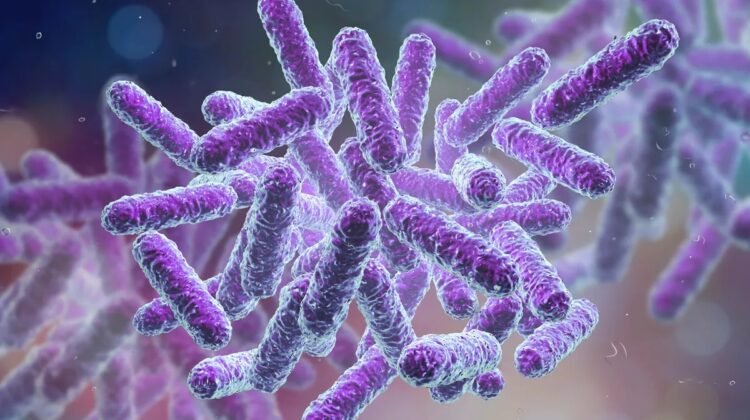
Space-bound strains of E. bugandensis are likely distinct from earthly versions.
Movies and TV shows often portray space stations as pristine, sterile environments. However, wherever humans go, bacteria inevitably follow. Within the confines of the International Space Station (ISS), bacteria have carved out their own niches, evolving in ways not observed on Earth.
The bacteria in question belong to strains of Enterobacter bugandensis. Classified as an opportunistic pathogen, this bacterium typically poses a threat only when its host’s immune system is compromised or when other illnesses are present. Moreover, it is notorious for its multi-drug resistance, rendering conventional antibiotic treatments ineffective. Therefore, understanding the behavior of this bacterium in the unique environment of space is crucial.

Image Credit: Kateryna Kon/Shutterstock.com
Initially, five strains of E. bugandensis were discovered on the ISS in 2018. However, recent research has identified the existence of 13 distinct strains inhabiting the space station. While earlier analyses suggested similarities between these spaceborne strains and their terrestrial counterparts, more comprehensive genetic studies indicate significant divergence. The stressors of the space environment appear to have prompted mutations, leading to both genetic and functional distinctions from Earth-based E. bugandensis.
In a statement from the authors of the study, they highlighted, “We identified certain genes from our study that are exclusively present in organisms associated with the ISS, but not in their terrestrial counterpart.” This underscores the unique evolutionary trajectory these bacteria have undergone in space.

Understanding the evolutionary dynamics of bacteria in space is not only essential for safeguarding the health of astronauts but also for devising novel strategies to combat these pathogens. The adaptations exhibited by these newly evolved strains, shaped by the microgravity environment, may conceal vulnerabilities that traditional therapies fail to target.
“These genes could potentially serve as valuable targets for therapeutics against pathogenic microorganisms in the unique environment of the IS,” the authors continued, emphasizing the potential for developing tailored treatments.
While the research team acknowledges limitations in their genetic analysis, they present compelling evidence linking the observed mutations to the conditions of space. Moreover, they demonstrate how these adapted strains integrate into diverse bacterial communities within the ISS, some of which also exhibit multi-drug resistance.

This coexistence within a microgravity environment, characterized by high radiation levels and elevated carbon dioxide, underscores the resilience and adaptability of microbial life. As humanity ventures further into space exploration, understanding these microbial adaptations will be crucial for maintaining the health and safety of astronauts and ensuring the success of long-duration missions.
Leave a Reply