• Skip to main content
  • Skip to primary sidebar
  • Skip to footer
  • Home
  • About Us
  • Copyright Report
  • Submit Content
  • Terms
  • Privacy Policy
  • Legal Disclaimer

Hasan Jasim

Hasan Jasim is a place where you may get entertainment, viral videos, trending material, and breaking news. For a social generation, we are the largest community on the planet.

Benefits of Recycling Overripe Bananas in Your Garden

by Hasan Jasim Editorial Team Leave a Comment

ShareTweet

Recycle overripe bananas by putting them in your garden. Their sweet aroma attracts beneficial insects like butterflies, bees, and ladybugs. Additionally, as the bananas decompose, they release nutrients into the soil, acting as a natural fertilizer, enriching the garden and promoting healthier plant growth.
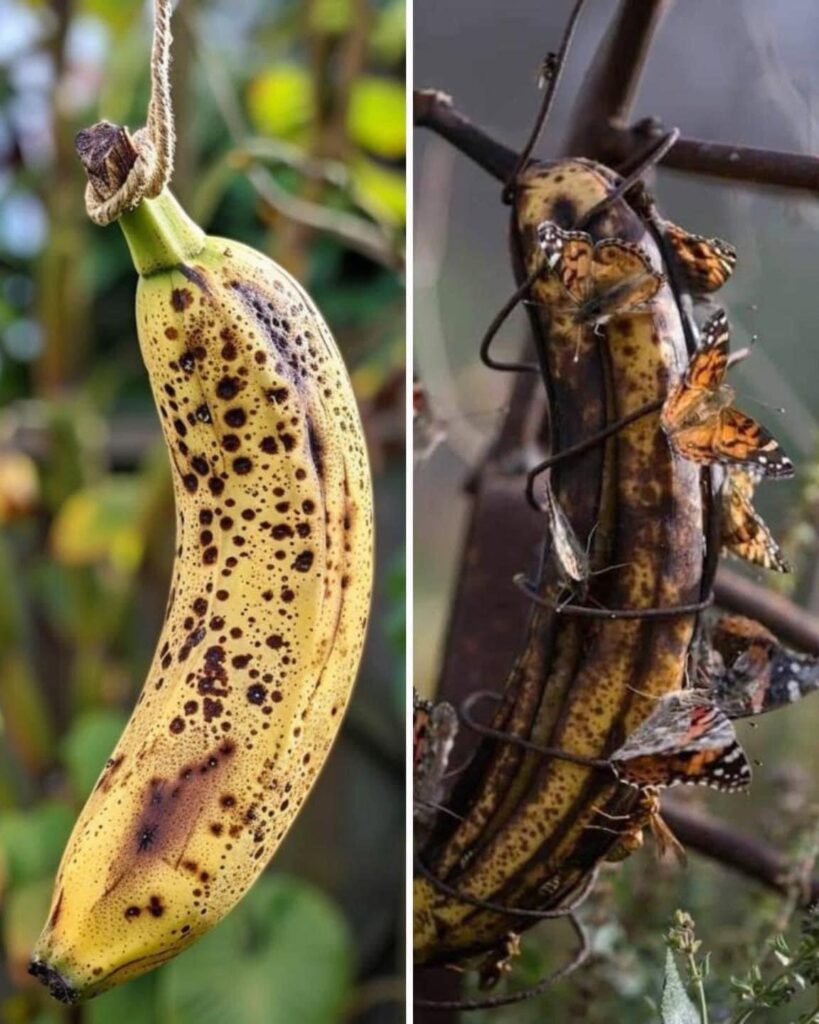
Recycle overripe bananas by hanging them up in your garden. Here are the benefits of doing this:

  1. Attracts Beneficial Insects: The sweet aroma of overripe bananas attracts butterflies, bees, and ladybugs.
  2. Nutrient-Rich Compost: After attracting insects, the banana can be added to your compost pile for nutrient-rich soil.
  3. Natural Fertilizer: As the banana decomposes, it releases nutrients directly into the soil, acting as a natural fertilizer.
  4. Repels Certain Pests: The strong scent of overripe bananas can repel pests like aphids and gnats.
  5. Supports Earthworm Activity: Overripe bananas can attract earthworms to your garden beds, improving soil health.
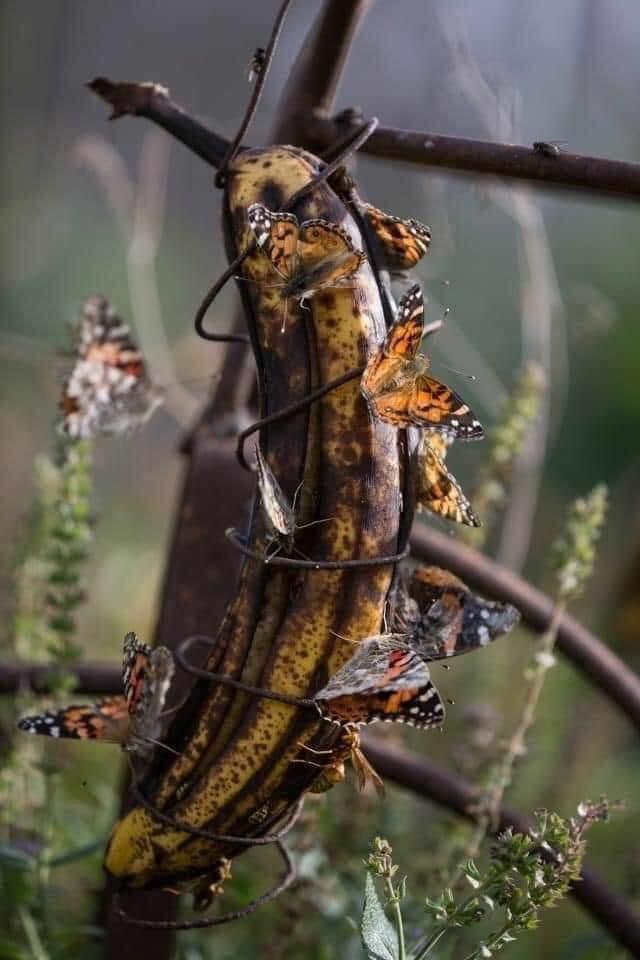
In conclusion, recycling overripe bananas in your garden not only attracts beneficial insects but also enriches the soil, repels pests, and supports earthworm activity. By doing so, you can naturally promote a healthier and more vibrant garden.

Filed Under: Trends Worldwide Tagged With: bananas, benefits, garden, overripe, recycling, trends, worldwide, your

Reader Interactions

Leave a Reply Cancel reply

Your email address will not be published. Required fields are marked *

Primary Sidebar

More to See

The Seatbelt Saga: Volvo’s Pioneering Legacy

By Hasan Jasim Editorial Team

The Grateful Pelican Will Not Stop Visiting The Man Who Saved His Life

By Hasan Jasim Editorial Team

This Breed of Bunny Walks on Its Front Legs and We Finally Know Why

By Hasan Jasim Editorial Team

A Snake Savors the Rain: A Look Beyond Our Misconceptions

By Hasan Jasim Editorial Team

The Enigmatic Mouse Deer: Living Fossils and the Origins of Whales

By Hasan Jasim Editorial Team

Get-Well-Soon Message in Snow Brings Joy to Hospital Visitors

By Hasan Jasim Editorial Team

Rat Trapped In Storm Drain Had Lost Hope That Anyone Would Save Her

By Hasan Jasim Editorial Team

Footer

ABOUT HASANJASIM.ONLINE

Hasanjasim.online is a digital platform dedicated to publishing well-researched articles about the animal kingdom, nature, and the environment. Our editorial team works to source stories from credible outlets, scientific research, and verified reports, aiming to inform as much as we entertain. From wildlife conservation and animal behavior to natural wonders and environmental science, we cover the topics that help readers better understand and appreciate the natural world. Whether you're a lifelong nature lover or simply curious about the planet we share, Hasanjasim.online aims to be a trustworthy destination for stories worth reading — and worth citing.

Recent

  • Turkmenistan’s “Door to Hell” Has Burned for More Than 50 Years — Now Its Flames Are Fading, and Officials Want Them Out
  • In Canada, a 16-year-old needed to be air-rescued after following AI-planned hiking route onto ‘Widowmaker’
  • New Soil Samples From the “Noah’s Ark” Site Raise Questions — but Don’t Answer Them
  • Archaeologists Unearth ‘Rare’ 5,000-Year-Old Arrowheads in ‘Rapidly’ Melting Ancient Norwegian Ice
  • A Nearly 100-Year-Old Tortoise Became A First-Time Mom To 16 Hatchlings — And Four Were Named After The Golden Girls
  • Greenland Offered $45 a Heart to Kill 1,000 Sharks That Can Live 400 Years — Then Dropped the Plan, but Not the Debate
  • Jonathan the Tortoise Is 194 and Still Thriving — and His DNA Shows Almost No Wear and Tear

Search