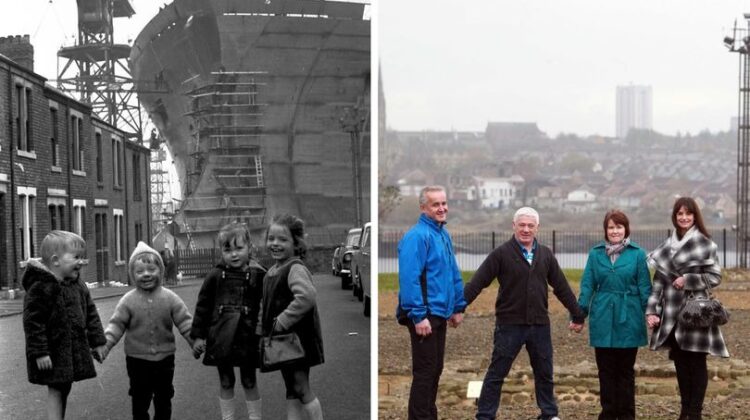
The construction of the Esso Northumbria in 1969 marked a defining moment in British shipbuilding—an era when ambition pushed engineering to its limits.
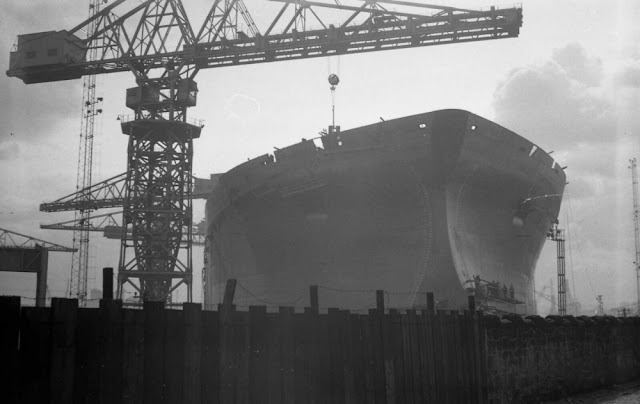
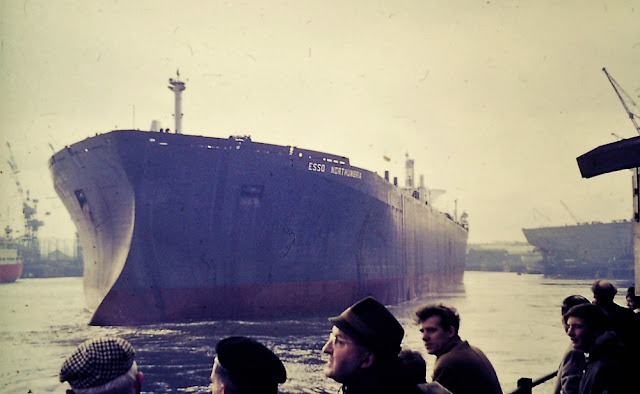
Built by Swan Hunter at Wallsend on Tyneside, the vessel was the first in a new generation of Very Large Crude Carriers (VLCCs). At the time of its launch on 2 May 1969, it was the largest ship ever constructed in Britain, a symbol of industrial scale and global demand for oil transport.
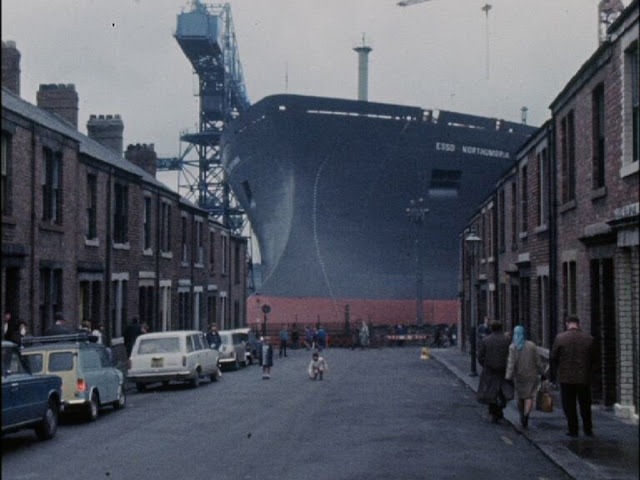
The launch itself was a high-profile event, carried out by Princess Anne, underscoring the national significance of the project.
Built for a changing global economy
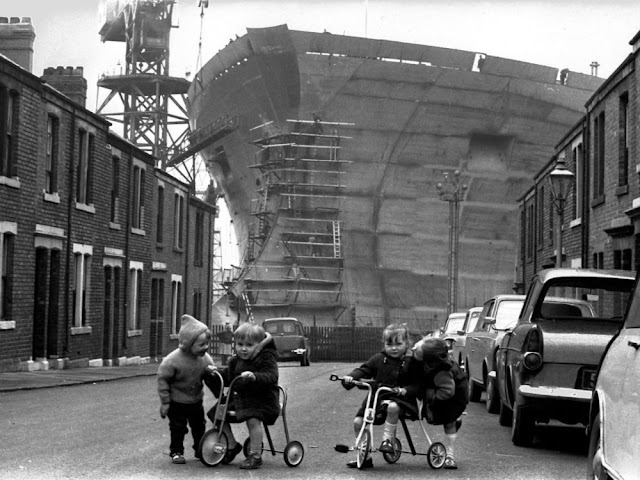
The tanker’s immense size was not just a technological milestone—it was a direct response to geopolitical disruption.
Following the Suez Crisis and the closure of the Suez Canal, oil shipments from the Persian Gulf to Europe were forced to take much longer routes around Africa. Larger ships became essential to maintain efficiency and reduce transport costs.
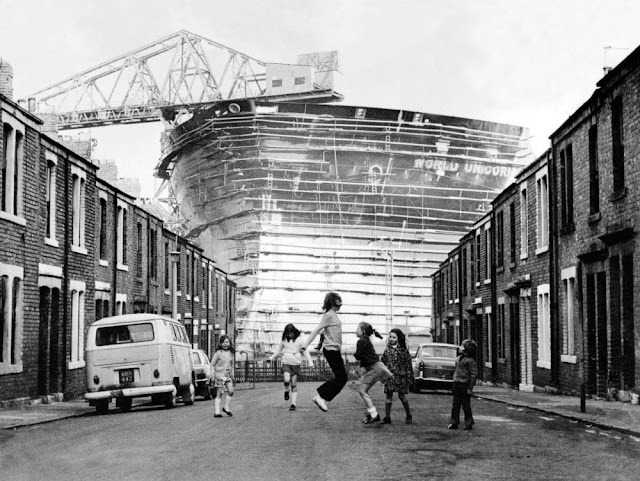
The Esso Northumbria was designed to meet that demand, capable of carrying vast quantities of crude oil across oceans. However, the engineering behind such massive vessels was still evolving. Much of the design relied on scaling up smaller ships, with limited understanding of how these giants would behave under real ocean stress.
Engineering ambition meets harsh reality
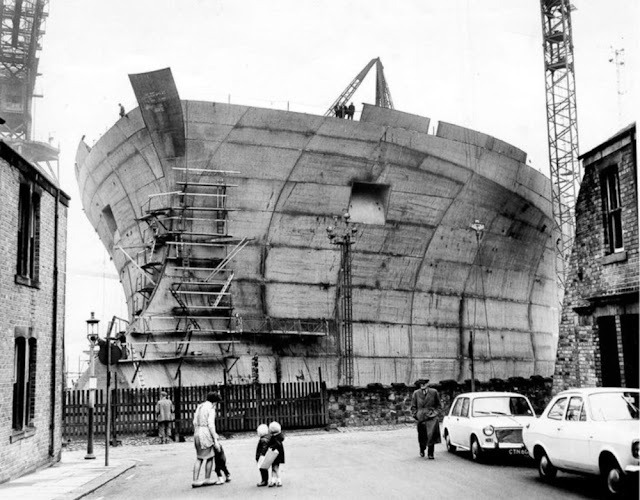
Despite its groundbreaking size, the ship quickly revealed serious flaws.
Structural issues, particularly cracking in the hull, emerged during its operational life. These weaknesses raised safety concerns, especially given the environmental risks associated with oil transport.
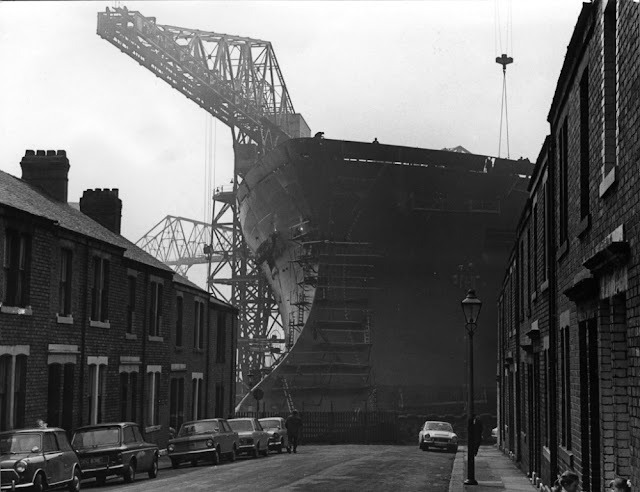
The vessel also suffered from problems with fittings and required repeated repairs. Combined with growing fears of a catastrophic oil spill, confidence in the ship declined rapidly.
Financially, the project was equally troubled. Built under a fixed-price contract during a period of rising inflation in Britain, Swan Hunter struggled to contain costs. The final price reached approximately £6.5 million, resulting in a significant financial loss for the shipbuilder.
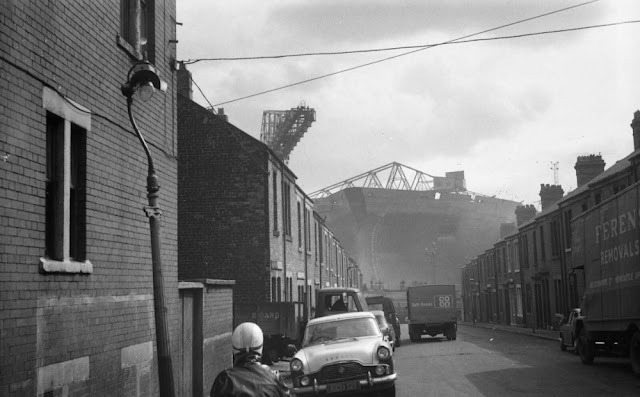
A short and troubled lifespan
In the end, the Esso Northumbria served for just 12 years—an unusually short lifespan for a vessel of its scale.
By 1982, the ship was retired and later dismantled in Taiwan. Its sister ship, the Esso Hibernia, launched in 1970, met a similar fate.
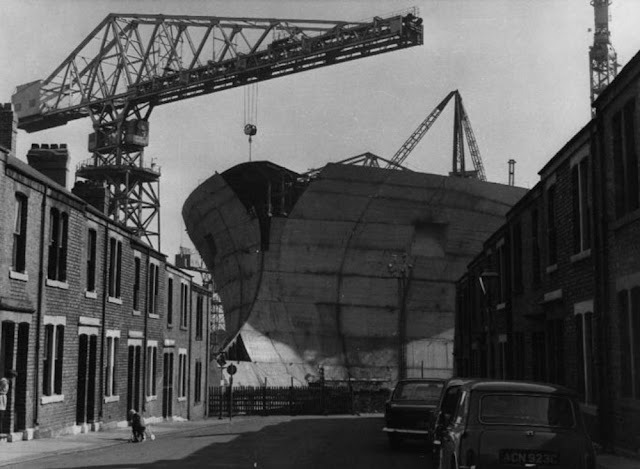
The story of Esso Northumbria is a powerful reminder that rapid technological leaps often come with unforeseen consequences. It represents both the ambition and the risks of scaling engineering beyond proven limits. While it pushed the boundaries of shipbuilding, it also exposed the importance of understanding long-term structural integrity—lessons that continue to shape modern maritime design and safety standards today.
Leave a Reply