
• Skip to main content
  • Skip to primary sidebar
  • Skip to footer
  • Home
  • About Us
  • Copyright Report
  • Submit Content
  • Terms
  • Privacy Policy
  • Legal Disclaimer

Hasan Jasim

Hasan Jasim is a place where you may get entertainment, viral videos, trending material, and breaking news. For a social generation, we are the largest community on the planet.

Can You Hear Plants Cry? The Surprising World of Ultrasonic Plant Sounds

by Hasan Jasim Editorial Team Leave a Comment

ShareTweet

Plants have long been thought of as silent beings, simply existing and growing without making any noise. But a recent study published in the journal Cell has found that plants can actually produce “airborne sounds” when they are stressed or in need of water. These sounds are too high-pitched for most humans to hear, but some animals might be able to pick them up.
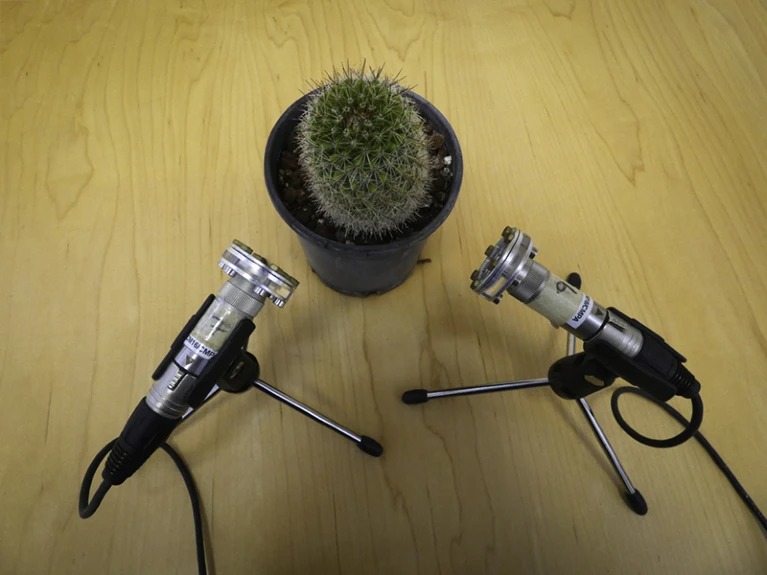
Research showing water-stressed or injured plants emitting high-pitched sounds could have implications for horticultural monitoring.credit: Lilach Hadany

The study, conducted by Lilach Hadany and her colleagues at Tel-Aviv University in Israel, involved placing tobacco and tomato plants in boxes with microphones. The team found that plants that were water-deprived or had recently been cut produced up to 35 sounds per hour, while well-hydrated and uncut plants made only about one sound per hour. These sounds were ultrasonic, between 20 and 100 kilohertz, making them inaudible to most humans.
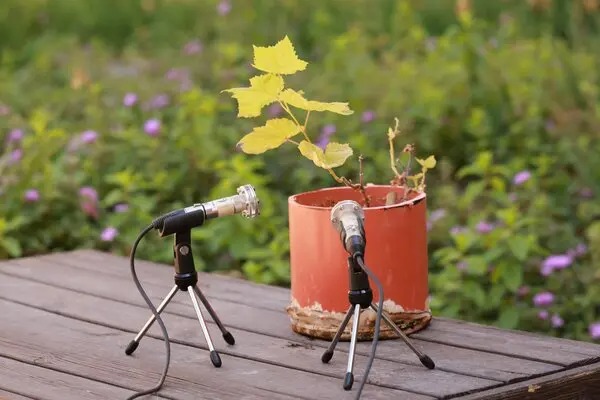
The researchers believe that the sounds are produced by air bubbles forming and breaking in the xylem, the tubes that transport water and nutrients throughout the plant. When there is a lack of water, bubbles are more likely to form, creating a popping noise. The team developed a machine-learning model to identify whether a plant was water-stressed or had been cut based on the sounds it made, with a 70% accuracy rate.
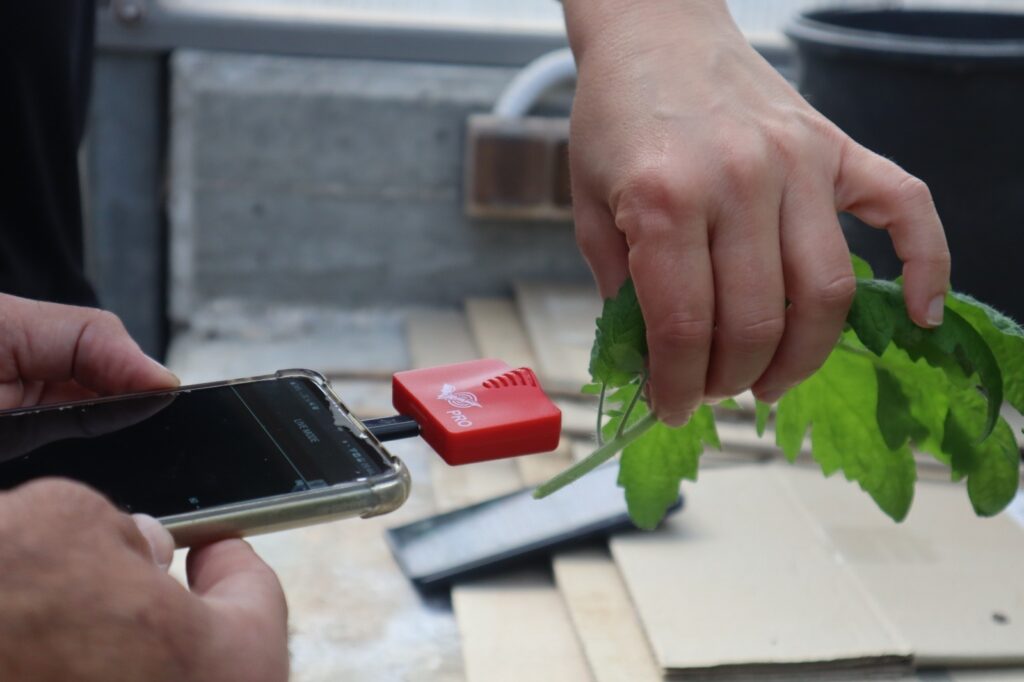
The implications of this research are potentially significant for agriculture and horticulture. Audio monitoring of plants could provide an efficient way of identifying which plants are water-stressed and need attention, allowing for more targeted watering and potentially reducing water usage. Pilot studies suggest that other crops, including wheat, corn, and wine grapes, also make noises when they are thirsty.

But beyond the practical applications, the study raises intriguing questions about the role of plant sounds in ecosystems. Hadany’s team has previously found that plants can respond to sounds made by animals, such as the buzzing of bees, and release sweeter nectar as a result. Could plant sounds be a way for plants to communicate with each other and with the animals around them? Could animals use these sounds to locate water sources or food? The evidence is not yet clear, and further research is needed to explore these questions.

Some experts remain skeptical that animals can hear the sounds of stressed plants, arguing that the noises are too faint to be picked up over long distances. But regardless of whether animals can hear them or not, the discovery of plant sounds challenges our assumptions about the sensory experiences of the natural world. It reminds us that the world around us is full of unexpected and mysterious phenomena, waiting to be discovered and understood.

Filed Under: Trends Worldwide Tagged With: cry?, hear, plant, plants, sounds,, surprising, trends, ultrasonic, world, worldwide

Reader Interactions

Leave a Reply Cancel reply

Your email address will not be published. Required fields are marked *

Primary Sidebar

More to See

Almost no one recognizes this antique tool – are you one of the few who do?

By Hasan Jasim Editorial Team

Unlocking the Benefits of Hanging an Overripe Banana in Your Garden

By Hasan Jasim Editorial Team

Fearless Chinese Workers Brave Perilous Cliff to Build Spectacular Mountain Road

By Hasan Jasim Editorial Team

These men once relied on the Aral Sea. Today, the dry land is a reminder of lost livelihoods

By Hasan Jasim Editorial Team

The 40 million red crabs avoiding traffic and obstacles on their way to the sea are joined by a robotic spy crab

By Hasan Jasim Editorial Team

Video captures outrageously close encounter between elk and tourist at Estes Park in Colorado: ‘It’s hard to watch’

By Hasan Jasim Editorial Team

The World’s Most Dangerous Beach: Sleeping Waves, Black Sand, and Icy Waters

By Hasan Jasim Editorial Team

Footer

ABOUT HASANJASIM.ONLINE

Hasanjasim.online is a digital platform dedicated to publishing well-researched articles about the animal kingdom, nature, and the environment. Our editorial team works to source stories from credible outlets, scientific research, and verified reports, aiming to inform as much as we entertain. From wildlife conservation and animal behavior to natural wonders and environmental science, we cover the topics that help readers better understand and appreciate the natural world. Whether you're a lifelong nature lover or simply curious about the planet we share, Hasanjasim.online aims to be a trustworthy destination for stories worth reading — and worth citing.

Recent

  • Seven Circus Tigers Rescued in Guatemala After Years Held on Trailers
  • The polar vortex is weakening unusually early. Here’s what that could mean for the weather
  • Permafrost Is Thawing From the Inside Out—and It’s Unleashing an Entirely New Kind of Landslide
  • Why Tilapia Is Sparking Serious Health Warnings: Nutritional Facts, Dioxin Risks, and Smarter Seafood Alternatives
  • Archaeologists Found 120,000-Year-Old Human Footprints Where They Shouldn’t Be
  • Striking Photos Reveal the Legacy of Yellowstone’s Wolves—30 Years After Their Return
  • Some Evidence Suggests Amelia Earhart Was Eaten by Crabs. The Twist: She Could Have Eaten Them to Survive.

Search