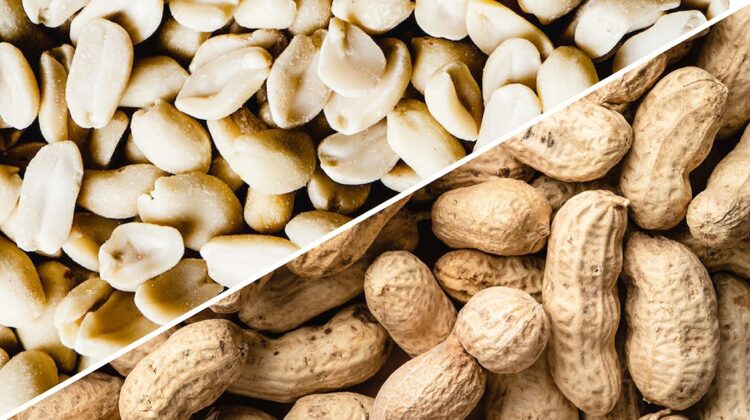
Peanuts are among the most widely consumed foods in the world. They’re affordable, satisfying, and packed into snacks, sauces, and spreads across countless cultures. But while peanuts are often praised as a “healthy snack,” the full story is more nuanced.
Doctors and nutrition experts agree: peanuts can be highly beneficial — but not for everyone. In certain health conditions, especially when consumed boiled or in large amounts, peanuts may do more harm than good.
Here’s what science and medical experts actually say.
The Nutritional Power of Peanuts
Peanuts are technically legumes, not nuts, and they contain a dense mix of nutrients, including:
- High-quality plant protein
- Healthy unsaturated fats
- Vitamins A, B6, and E
- Minerals such as phosphorus, calcium, iron, and magnesium
- Lecithin, choline, amino acids, and antioxidants
This combination helps support metabolism, brain function, and cardiovascular health when peanuts are eaten in moderation.

Proven Health Benefits of Eating Peanuts
1. Helps You Feel Full Longer
Peanuts are rich in protein and healthy fats, which slow digestion and increase satiety. Adding a small portion to breakfast or snacks can reduce overeating later in the day.
Nutritionists emphasize that controlling appetite is more effective than skipping meals, and peanuts can play a helpful role in that strategy.
2. Supports Blood Sugar Stability
Research suggests that replacing red meat with peanuts can significantly reduce the risk of type 2 diabetes. Peanuts slow carbohydrate absorption, preventing sharp blood sugar spikes — especially helpful when eaten earlier in the day.
3. May Reduce the Risk of Certain Cancers
Several studies have linked regular peanut consumption to a lower risk of colorectal and rectal cancers, particularly in women. This effect is believed to come from folate and antioxidant compounds found in peanuts.
While peanuts are not a cure, they may contribute to long-term protective effects as part of a balanced diet.
4. Helps Lower the Risk of Gallstones
Gallstones are largely made of cholesterol. Peanuts’ ability to help regulate cholesterol levels may explain why people who eat them regularly show a reduced risk of gallstone formation, according to observational studies.
Important Warnings When Eating Boiled Peanuts
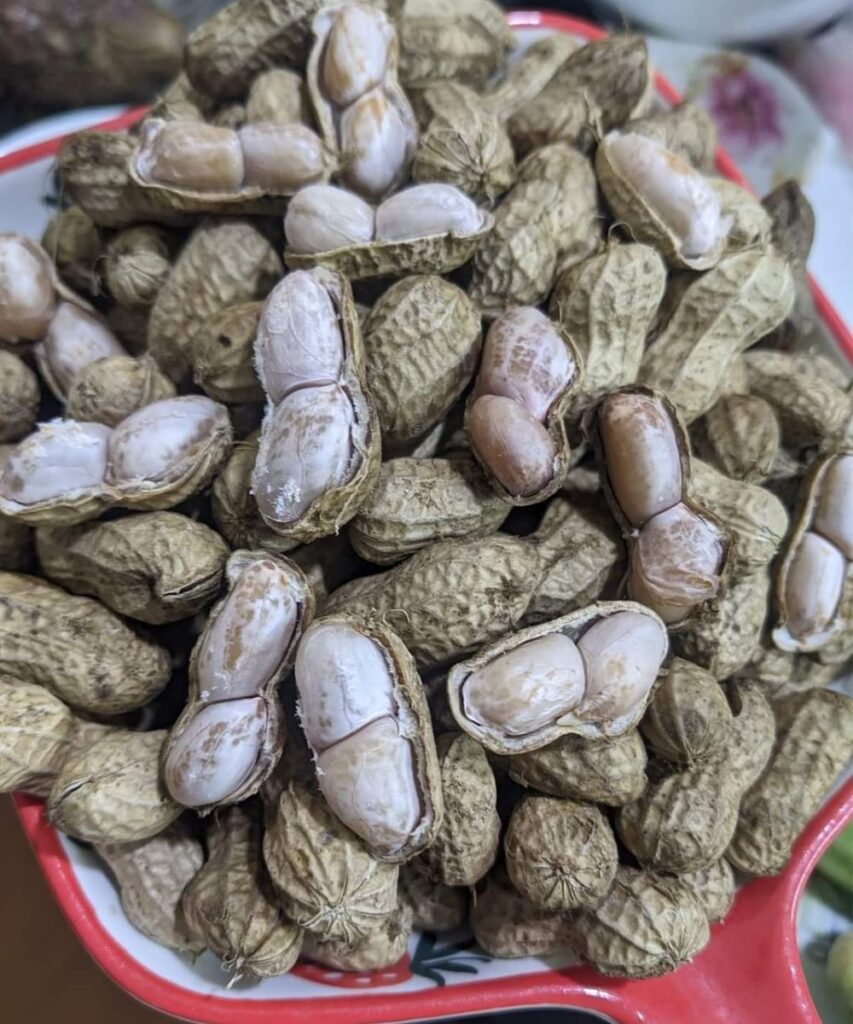
Boiled peanuts are popular in many regions, but they come with specific cautions:
- Do not overeat: More than ~50 grams per day may lead to weight gain, digestive discomfort, or fat accumulation
- Avoid eating on an empty stomach: High oil content can stimulate excess gastric acid, causing cramps or irritation
- Never eat moldy peanuts: They may contain aflatoxins — among the most dangerous known food carcinogens
- Blood-thinner users: Peanuts contain vitamin E and compounds that may interfere with clotting; medical advice is recommended before frequent consumption
Who Should Avoid Peanuts — Especially Boiled Peanuts
1. People With Peanut Allergies (Absolute Contraindication)
Peanut allergy is one of the most severe food allergies. Even trace amounts can cause:
- Hives and severe itching
- Swelling of the throat and difficulty breathing
- Sudden drops in blood pressure
- Anaphylactic shock, which can be fatal
If you have a peanut allergy, complete avoidance is essential.
2. People With Gout or High Uric Acid
Peanuts contain plant proteins that can increase uric acid levels. While they’re lower in purines than red meat, excess intake may trigger gout attacks, especially during flare-ups.
✔️ Limited intake may be tolerated
❌ Avoid peanuts completely during acute gout episodes
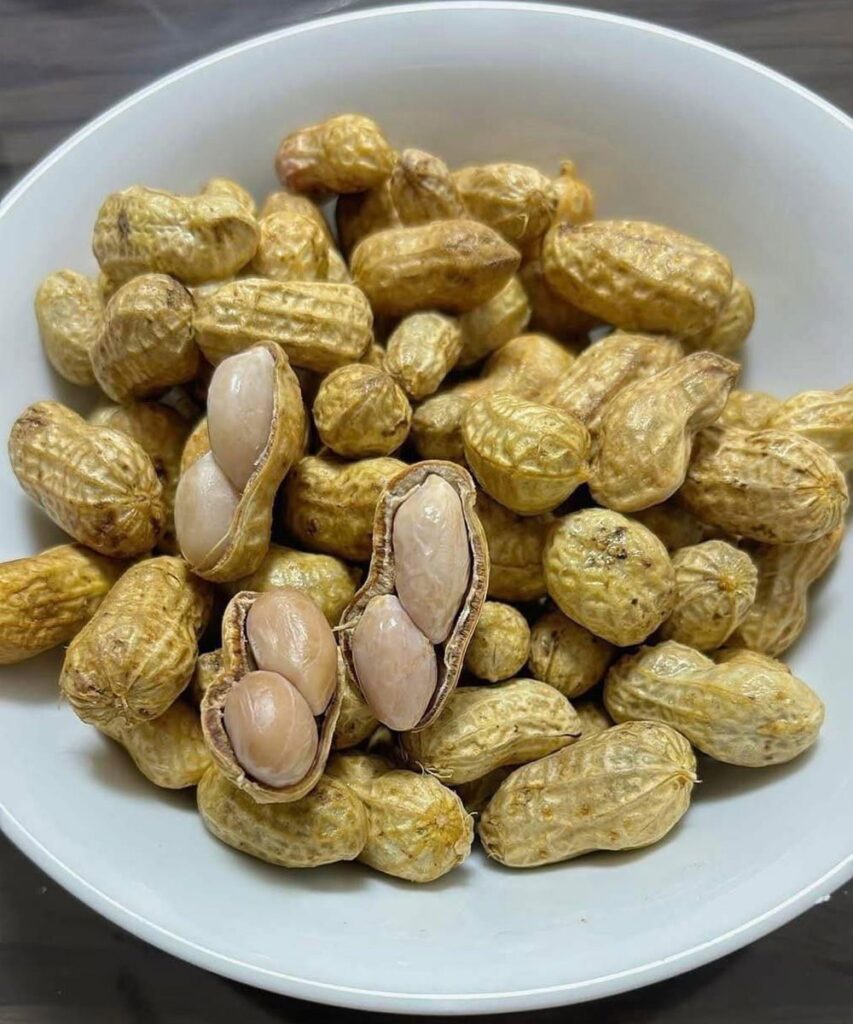
3. People With Digestive Disorders
Peanuts are high in fat and harder to digest, even when boiled. They may worsen symptoms in:
- People with chronic bloating or indigestion
- Elderly individuals
- Children under 2 years old
- Patients recovering from illness or gastrointestinal conditions
In these cases, peanuts can cause gas, discomfort, and abdominal pain.
The Bottom Line
Peanuts are nutrient-dense and beneficial for many people, supporting heart health, blood sugar balance, and satiety. However, they are not universally safe, especially for individuals with allergies, gout, or sensitive digestion.
As with most foods, the key is moderation, proper storage, and knowing your own health risks.
Eating healthy isn’t about avoiding foods blindly — it’s about making informed choices.
Leave a Reply