
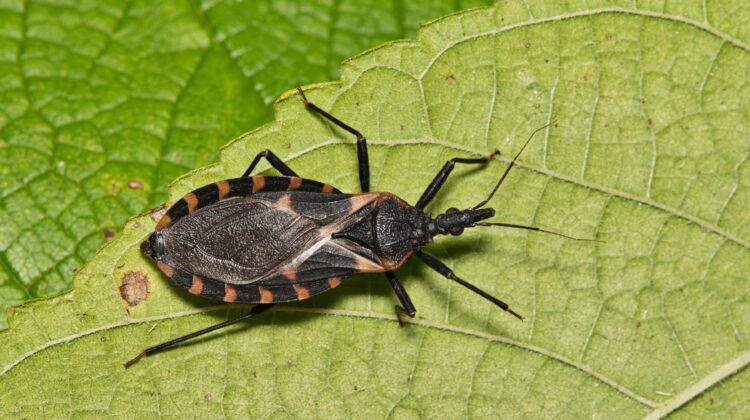
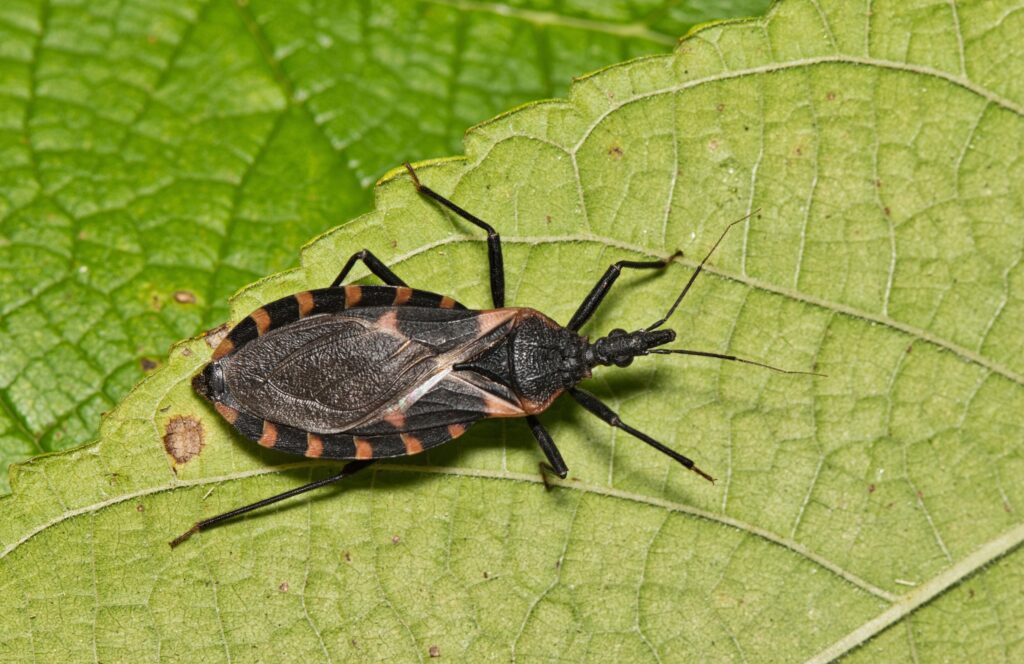
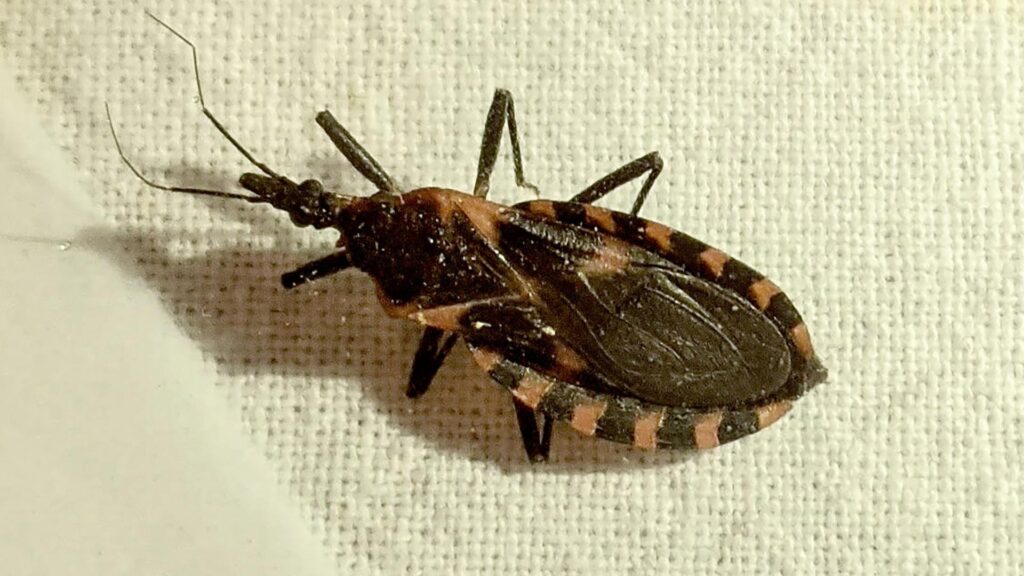
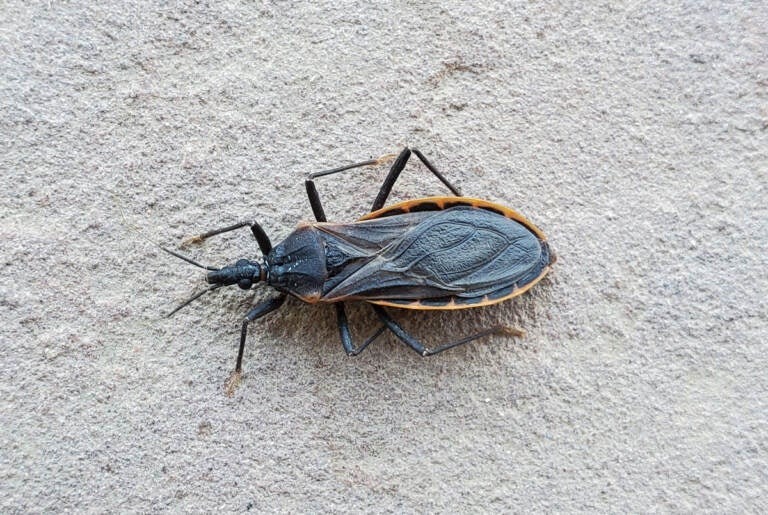
Kissing bugs—also known as triatomine bugs—rarely look dangerous at first glance. To most people, they resemble ordinary nighttime insects. Yet these insects can carry a parasite associated with Chagas disease, a serious infection that often begins silently and can remain undetected for years.
What makes kissing bug exposure especially concerning is how easily it goes unnoticed. Many people never realize they were bitten at all. Early symptoms are often mild, vague, or easily confused with everyday conditions such as allergies, seasonal illness, or digestive upset. For older adults in particular, recognizing subtle warning signs early can play a critical role in protecting long-term health.
This guide explains the earliest clues of a possible kissing bug bite, why they are commonly missed, and when increased attention is warranted.
Why Most People Never Notice the Bite
Kissing bugs are nocturnal insects attracted to carbon dioxide released during sleep. They typically feed on exposed areas of skin—most often the face, lips, eyes, or neck—which is how they earned their name.
Unlike many other insects, kissing bugs release a mild anesthetic while feeding. As a result, most people do not feel pain, do not wake up, and have no immediate awareness that a bite occurred.
The primary concern is not the bite itself, but what can happen afterward. The parasite associated with Chagas disease can enter the body if contaminated insect material comes into contact with the bite wound or the eyes or mouth—particularly if the area is rubbed unknowingly.
Because this process happens quietly and without immediate discomfort, early warning signs are frequently dismissed as minor or unrelated issues.
Early Skin Reactions at the Bite Site
One of the earliest indicators may be a localized skin reaction. This can include:
- Mild redness or swelling
- A small itchy rash
- A firm or raised bump beneath the skin
- Slight tenderness around the area
These symptoms closely resemble common insect bites and usually fade within days, which is why they are often ignored or forgotten.
Swelling Around One Eye: A Notable Early Indicator
In some cases, a more distinctive sign may appear: swelling around one eye, medically referred to as Romaña sign. This occurs when insect material reaches the eye after a bite near the face.
The eyelid may appear puffy, red, or irritated, typically without severe pain. Although this sign does not occur in every case, it is considered a meaningful early indicator and should be evaluated promptly if it appears.
Mild Flu-Like Symptoms That Appear and Fade
Within weeks of exposure, some individuals experience symptoms that resemble a mild viral illness, including:
- Low-grade fever
- Persistent fatigue
- Headaches
- Muscle or joint discomfort
- Reduced appetite
Because these symptoms are common and often temporary, many people assume they are dealing with a routine illness and do not seek further attention.
Tender or Enlarged Lymph Nodes
Another early immune response may involve swollen lymph nodes, particularly near the site of exposure. Nodes in the neck, armpits, or groin may feel enlarged or slightly sore.
While lymph node swelling occurs for many reasons, its presence alongside other subtle symptoms can be an important part of the overall picture.
Early Digestive Changes
Some people experience gastrointestinal symptoms during the early phase, such as:
- Nausea
- Abdominal discomfort
- Occasional diarrhea
- Vomiting
These signs are often mistaken for food-related issues or a short-term stomach illness and may resolve without treatment.
Why Early Signs Should Never Be Overlooked
The early stage of infection linked to kissing bug exposure is often quiet—but the long-term consequences can be serious if the condition progresses unnoticed. What makes early awareness so important is that once symptoms fade, the infection can remain hidden for years before causing more significant complications.
Paying attention to small, unexplained changes—especially when several appear together—can make a critical difference. Awareness is not about panic; it is about recognizing patterns the body may be signaling early on.
Understanding these early clues empowers people to act sooner, ask better questions, and protect their long-term health before silent problems become irreversible ones.
Leave a Reply