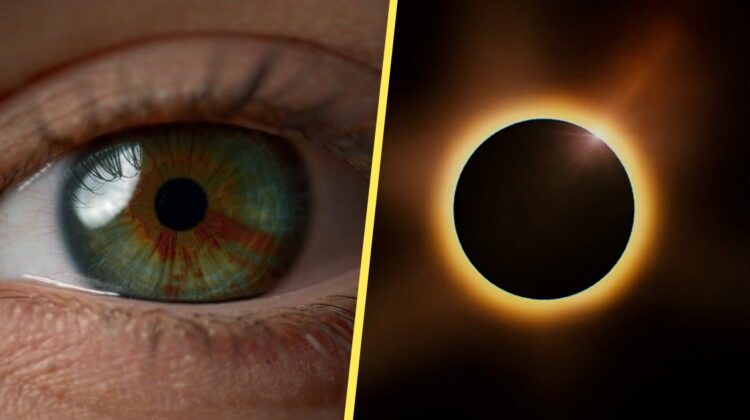
As millions of Americans marveled at the spectacle of the April 8 total solar eclipse, concerns linger over potential eye damage incurred inadvertently during the event. In response, the American Academy of Ophthalmology has issued a comprehensive guide outlining symptoms indicative of eclipse-related eye injury, emphasizing the importance of prompt recognition and intervention.
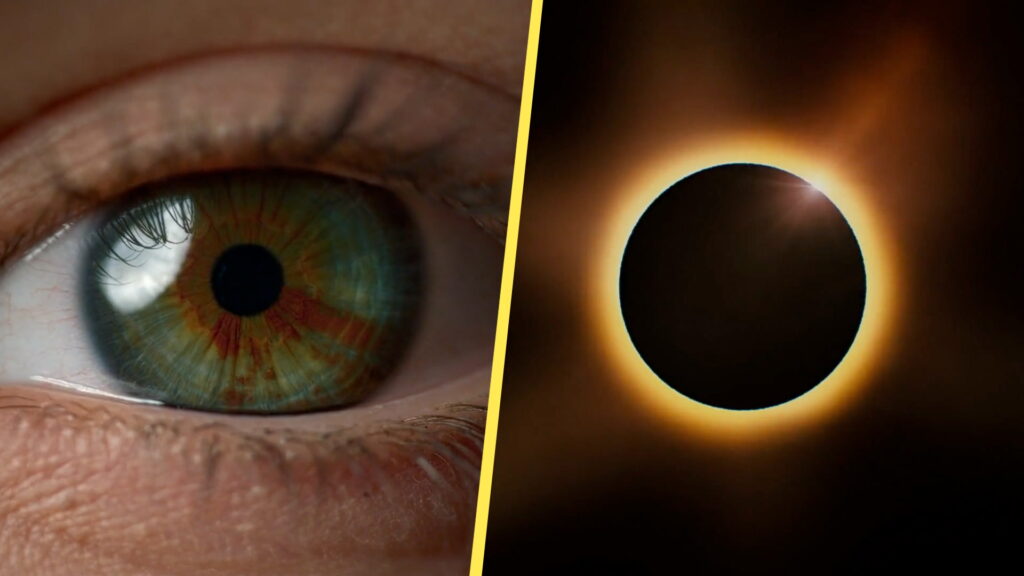
Symptoms of “solar retinopathy,” the term denoting damage to the retina caused by solar radiation, encompass a range of visual disturbances. These include blurry vision, headaches, development of a blind spot in the central field of vision in one or both eyes, heightened sensitivity to light, visual distortion, and alterations in color perception, medically termed “dyschromatopsia.”
Despite the absence of a specific treatment for solar retinopathy, the American Academy of Ophthalmology underscores that many individuals experience gradual recovery within three to six months following the eclipse. However, for some, irreversible vision impairment may ensue, manifesting as a persistent blind spot and visual distortion.
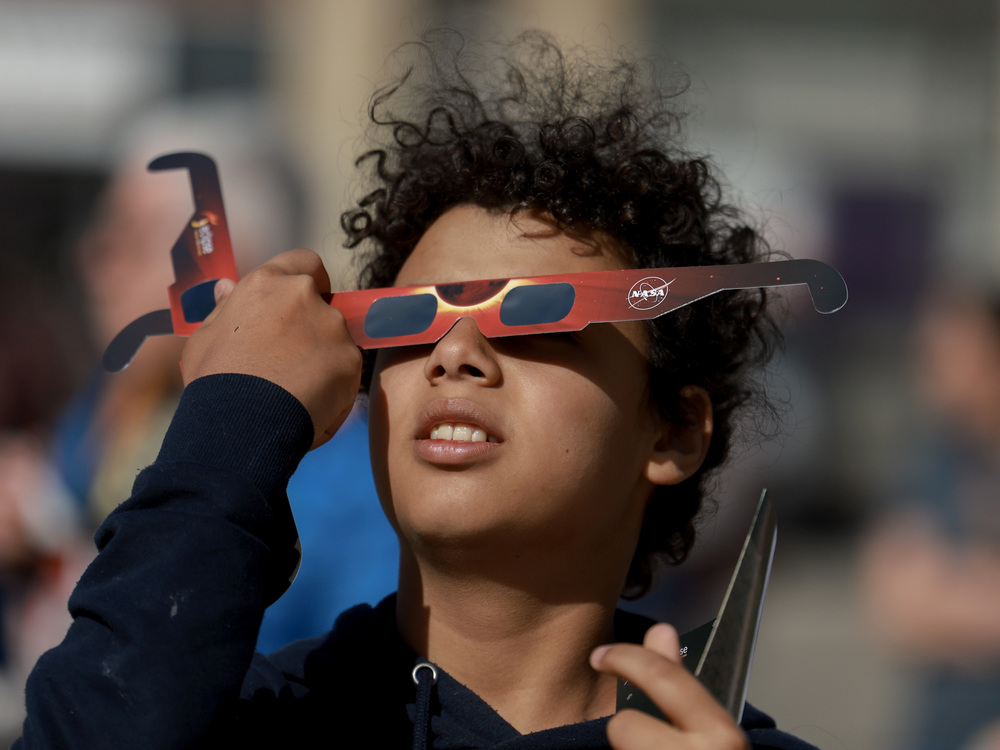
Crucially, these symptoms may not manifest immediately after viewing the eclipse. Dr. Abhiniti Mittal, an ophthalmology resident at the University of Buffalo, underscores that patients often report vision changes several days post-exposure, highlighting the importance of vigilance in monitoring ocular health. While the majority regain vision over time, severe injuries can lead to prolonged effects, underscoring the imperative of timely medical evaluation.
Moreover, discomfort in the eyes does not invariably signify solar retinopathy, as cautioned by the American Academy of Ophthalmology. Dr. Avnish Deobhakta, an ophthalmologist at the New York Eye and Ear Infirmary of Mount Sinai, echoes this sentiment, noting that while a surge in emergency room visits post-eclipse is commonplace, the incidence of diagnosed eye damage remains relatively low.
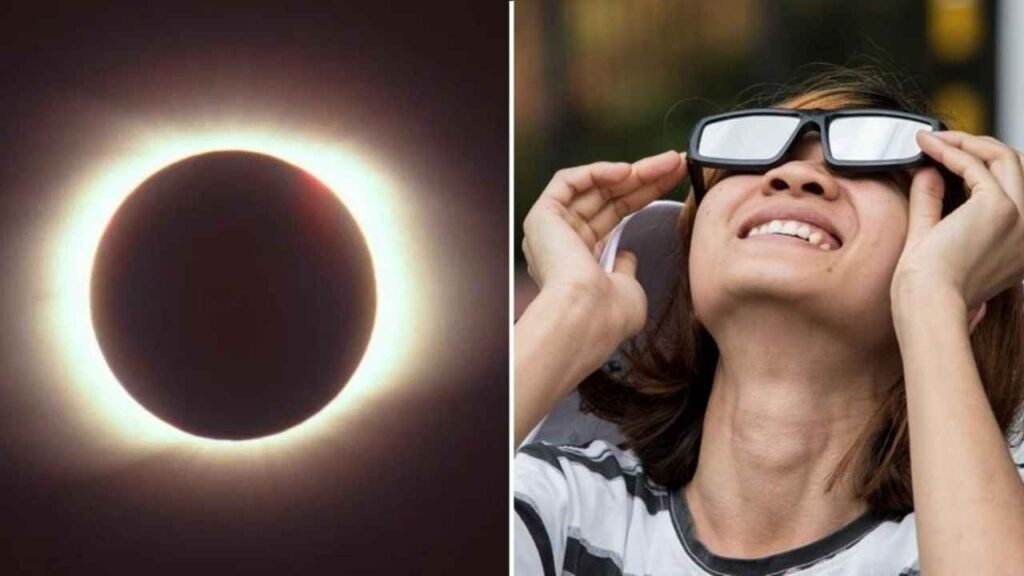
In the aftermath of the solar eclipse, prioritizing ocular health necessitates vigilant monitoring for symptoms indicative of solar retinopathy. Swift recognition and proactive intervention are pivotal in mitigating potential long-term consequences. As individuals remain vigilant for signs of eclipse-related eye injury, adherence to recommended safety measures and regular eye examinations emerge as crucial pillars in safeguarding visual well-being in the face of celestial marvels.
Leave a Reply