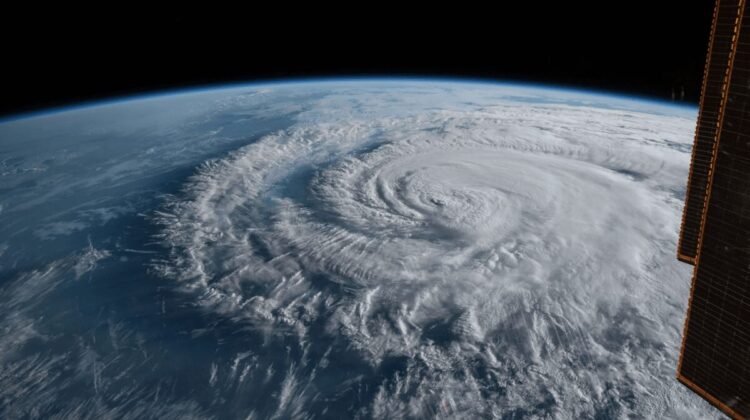
Over the past decade, hurricanes have intensified to such an extent that scientists are proposing a new classification to better capture their severity: Category 6. This idea stems from a growing concern that the existing Saffir-Simpson Hurricane Wind Scale, which categorizes storms from 1 to 5 based on their maximum sustained wind speeds, no longer adequately represents the power of the most extreme storms.
Under the current system, hurricanes are rated from Category 1 to Category 5. A Category 5 storm has sustained wind speeds exceeding 252 kilometers (157 miles) per hour, resulting in severe damage to structures, uprooted trees, and destroyed infrastructure. The aftermath of such a storm typically leaves large areas uninhabitable for weeks or even months.
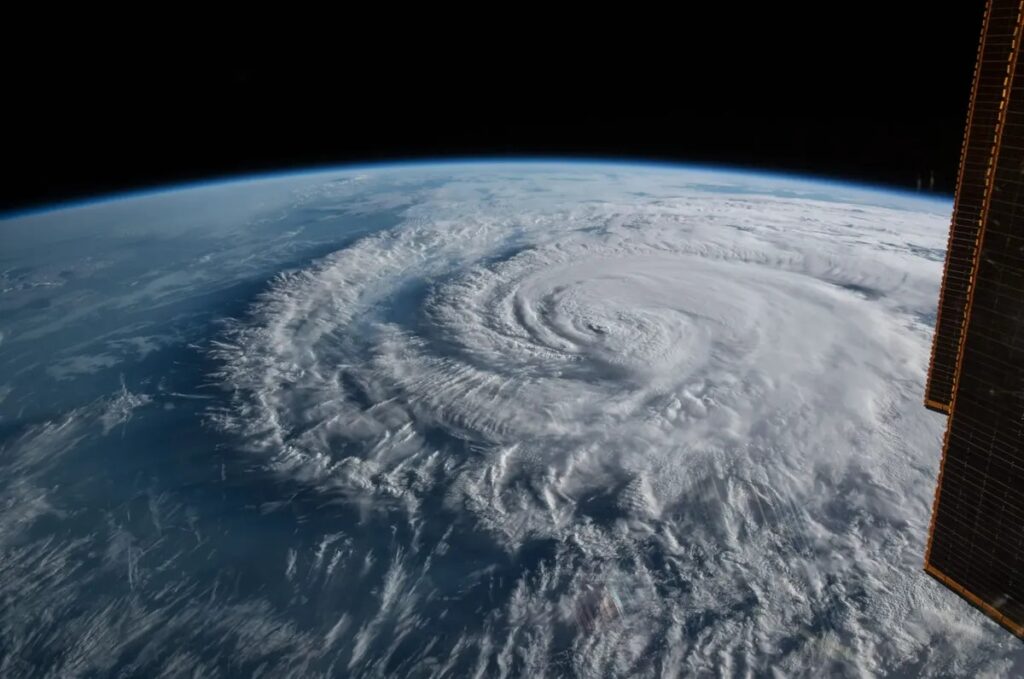
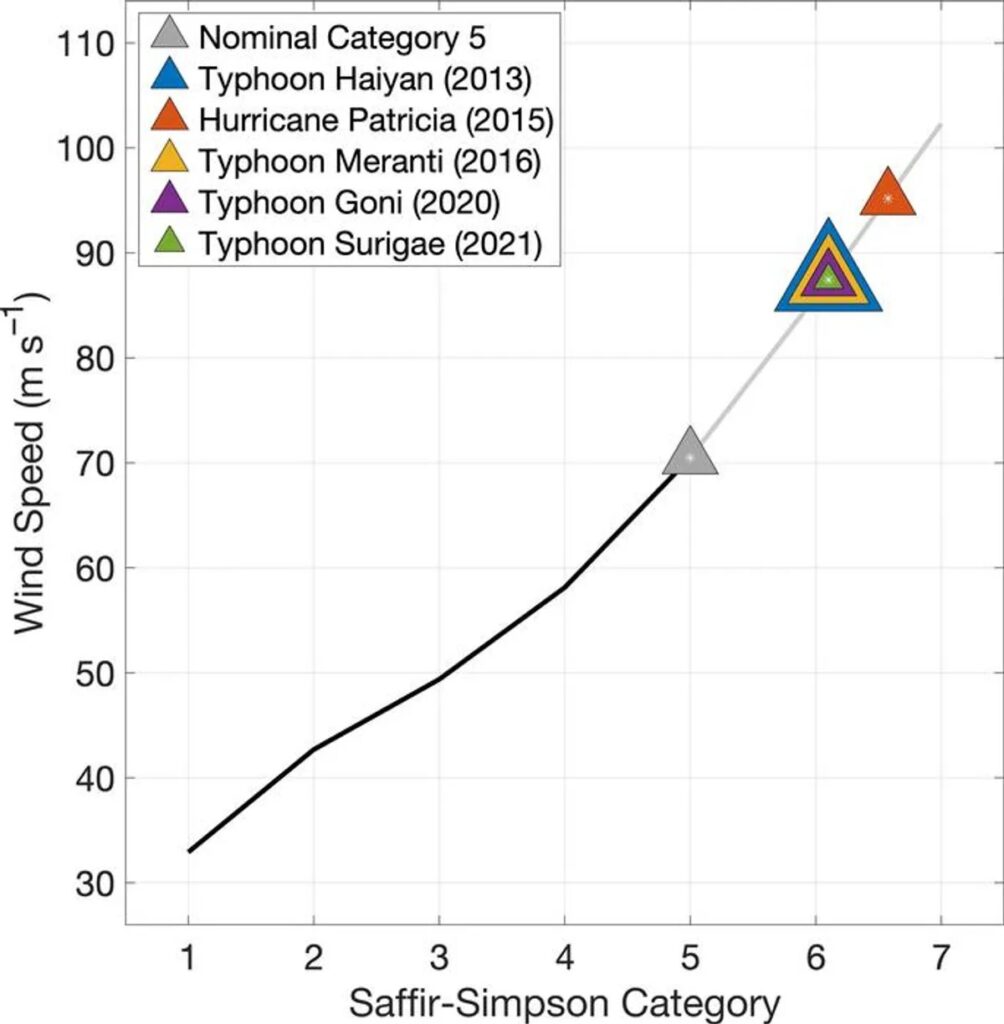
Recent studies reveal that several storms have surpassed this Category 5 threshold in recent years, leading researchers to suggest that a new Category 6 is necessary. This new category would be reserved for hurricanes and typhoons with wind speeds exceeding 309 kilometers (192 miles) per hour.
Since 2013, at least five storms have reached this proposed Category 6 threshold. These include Hurricane Patricia, Typhoon Meranti, Typhoon Goni, Typhoon Haiyan, and Typhoon Surigae. Hurricane Patricia, for example, struck Mexico and parts of Texas in October 2015 with wind speeds of up to 346 kilometers (215 miles) per hour, making it the most powerful tropical cyclone ever recorded in the Western Hemisphere.
The escalating intensity of these storms is linked to climate change. Warmer sea surface temperatures provide additional energy for hurricanes, potentially leading to more intense storms with faster wind speeds. Moreover, climate change may slow down the movement of these storms, allowing them to remain over affected areas longer and cause more damage.
“Anthropogenic global warming has already significantly increased surface ocean and tropospheric air temperatures in regions where TCs [tropical cyclones] form and propagate. The resulting increases in available sensible and latent heat energy increases the thermodynamic potential wind intensity of these storms,” explained Michael Wehner from the Lawrence Berkeley National Laboratory and James P. Kossin from the University of Wisconsin-Madison.
The researchers propose extending the Saffir-Simpson scale to include Category 6, arguing that it would better reflect the growing intensity of the most extreme storms. Although this proposal has not yet been adopted by the National Oceanic and Atmospheric Administration (NOAA) or other official agencies, it reflects a broader push to update storm classification systems in response to the increasing power of hurricanes and typhoons.
“This study picks up on a key feature of these classification systems, that the most extreme category (5) is open-ended – in this scale, anything above 252 km/h. This is problematic in the context of communicating expected increases in peak tropical cyclone wind speeds under climate change. Accordingly, this study explores how tropical cyclone classification would change if a Category 6 threshold was introduced at 309 km/h,” said Dr. Daniel Kingston, a senior lecturer at the University of Otago in New Zealand.
The idea of a Category 6 storm, though still hypothetical, highlights the urgent need to adapt our classification systems to the realities of a warming planet. As climate change continues to drive more powerful storms, it is increasingly likely that such proposals will become a reality.
Leave a Reply