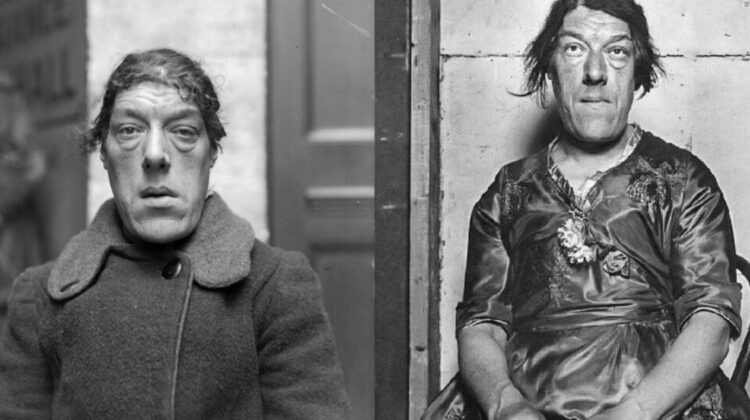
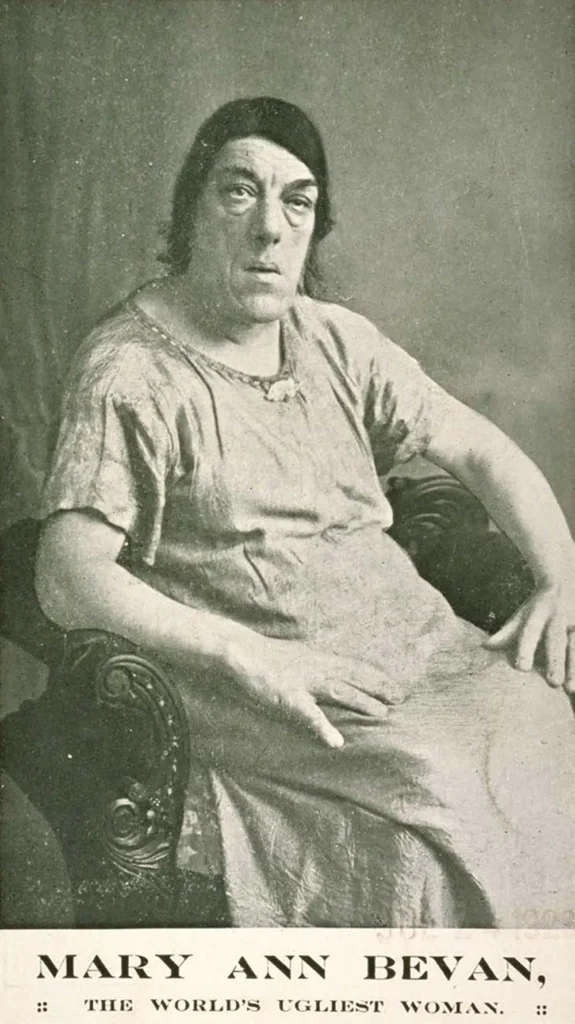
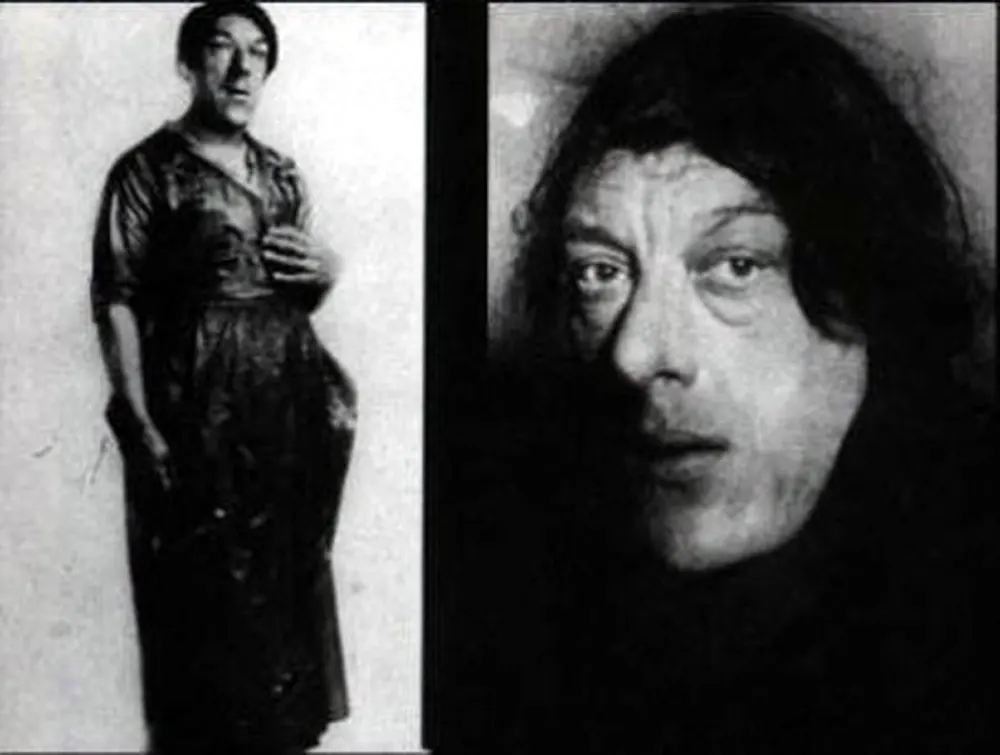
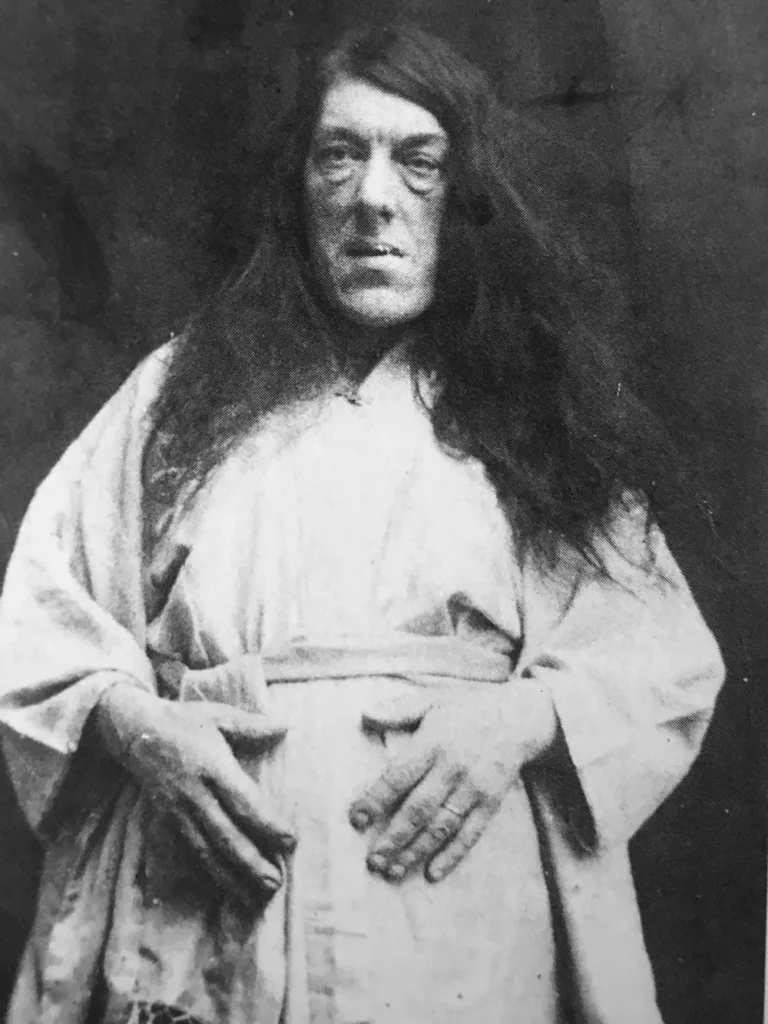
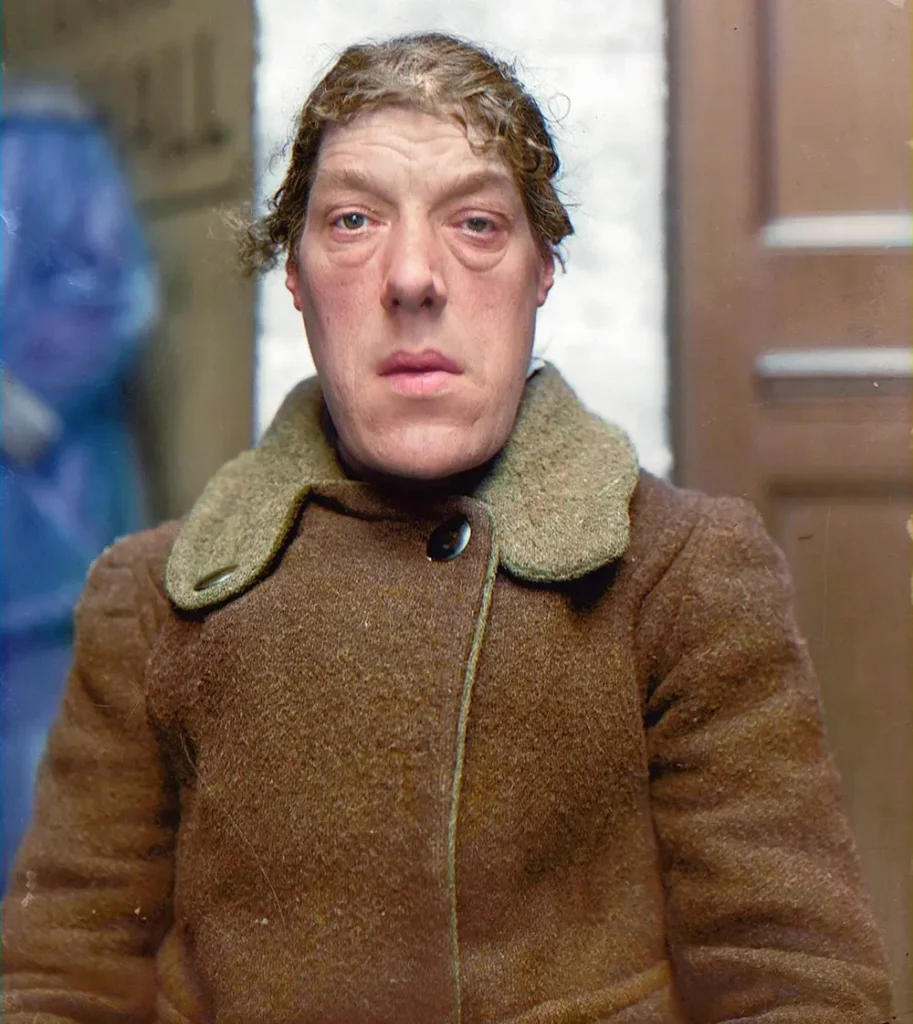
In 1920, a British newspaper ran a job advertisement that read: “Wanted: Ugliest woman. Nothing repulsive, maimed or disfigured. Good pay guaranteed, and long engagement for successful applicants. Send recent photograph.” A widowed mother of four answered it — not out of vanity, but out of desperation. Her name was Mary Ann Bevan, and the disease she was living with had a name too: acromegaly.
From Nurse to “Attraction”
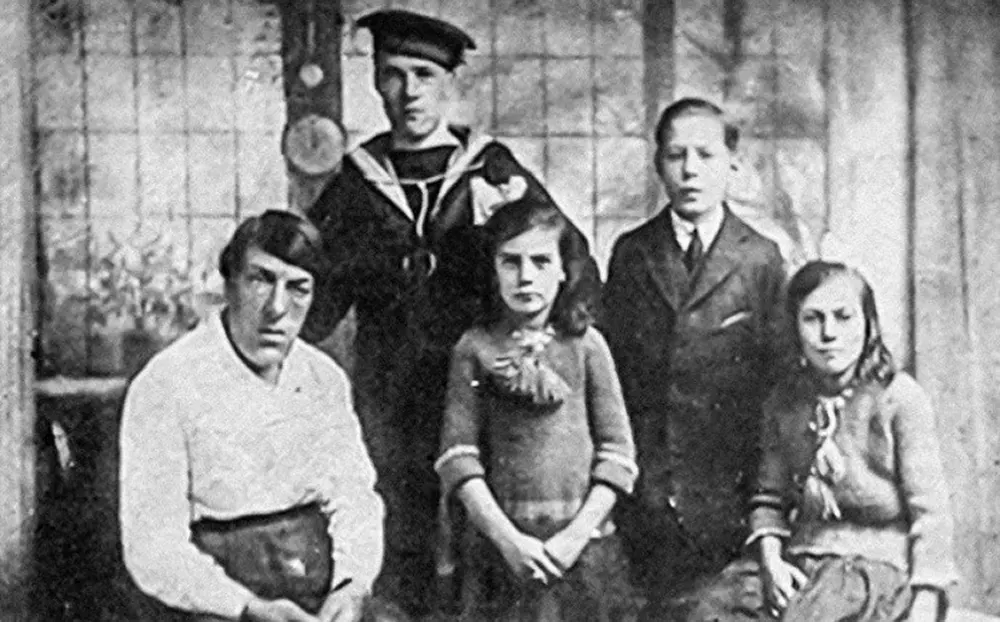
Mary Ann Webster was born in 1874 in East London, one of eight children in a working-class family. She trained and worked as a nurse, married a farmer named Thomas Bevan in 1902, and had four children. By all accounts, she lived an unremarkable, contented life — until her early 30s, when her body began changing in ways medicine at the time couldn’t explain or treat.
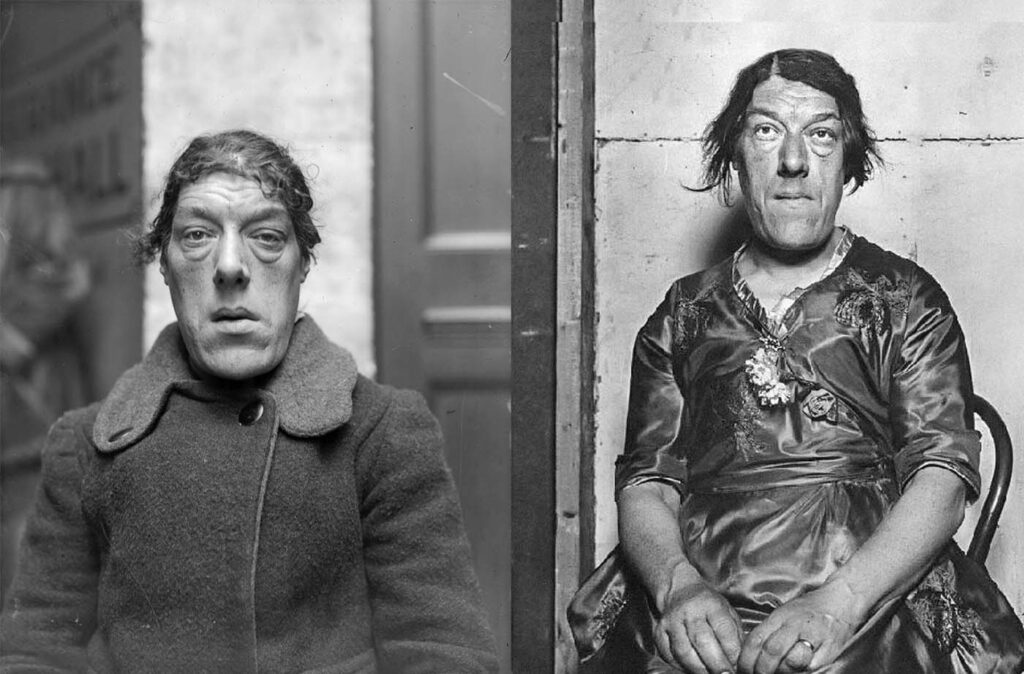
She had developed acromegaly, a rare hormonal disorder caused by the pituitary gland producing excess growth hormone, typically from a benign tumor. According to the NHS, the condition causes bones and soft tissue — particularly in the hands, feet, and face — to gradually enlarge. Today, acromegaly is treatable if caught early, through medication, radiation, or surgery to address the underlying tumor. In the early 1900s, none of those options existed.
When her husband died in 1914, Bevan became the sole provider for four children, at exactly the point her changing appearance was making it harder to find work as a nurse. Facing few options, she entered a local “Ugliest Woman” contest — and won, beating out roughly 250 other entrants competing for the same desperate reason she was.
Life in the Sideshow
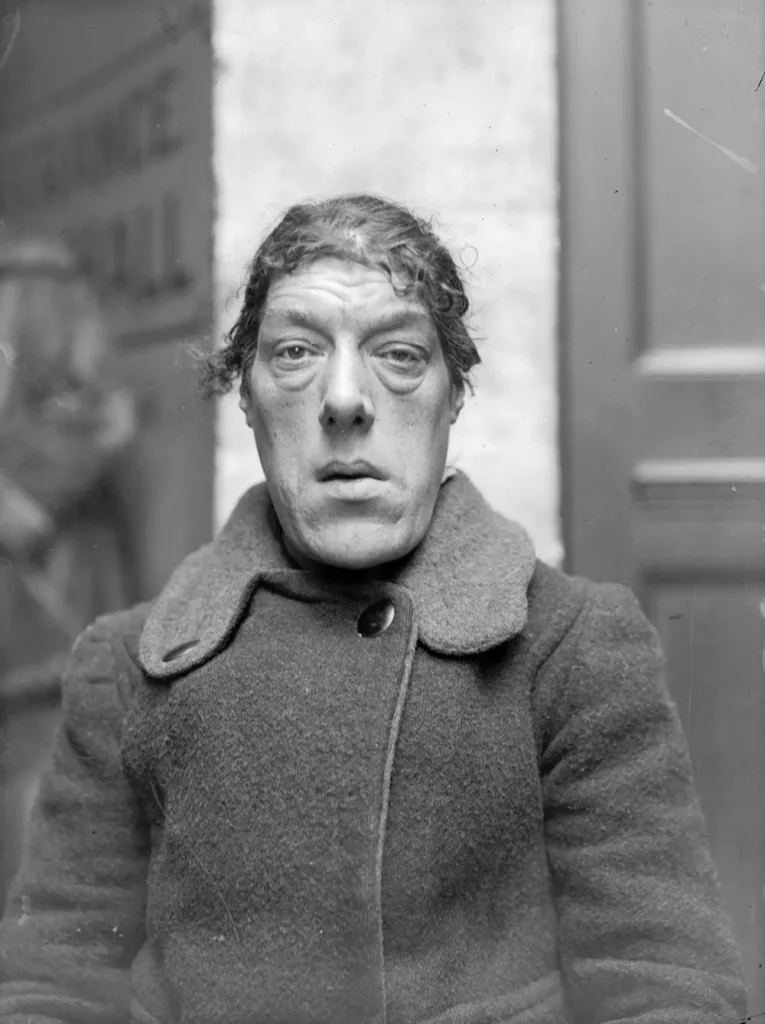
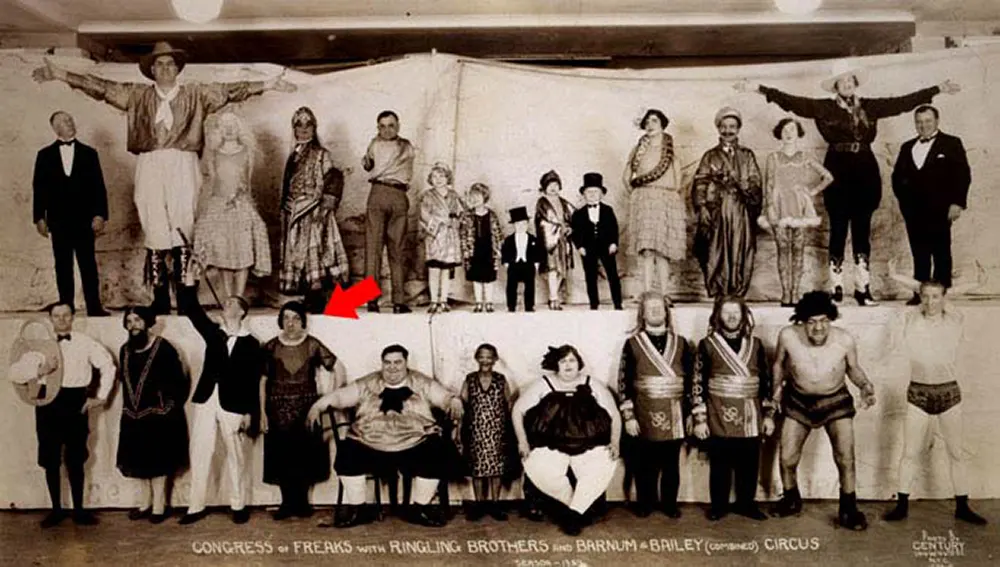
In 1920, American showman Samuel W. Gumpertz recruited her to perform at Coney Island’s Dreamland sideshow, a “freak show” where people were paid to be gawked at because of visible disabilities or unusual appearances — a form of entertainment that, as medical historians note, was considered a normal part of Western popular culture from the 1840s through the 1940s. She later also appeared with the Ringling Brothers Circus, spending most of her remaining years as what contemporary newspapers cruelly called an “exhibit.”
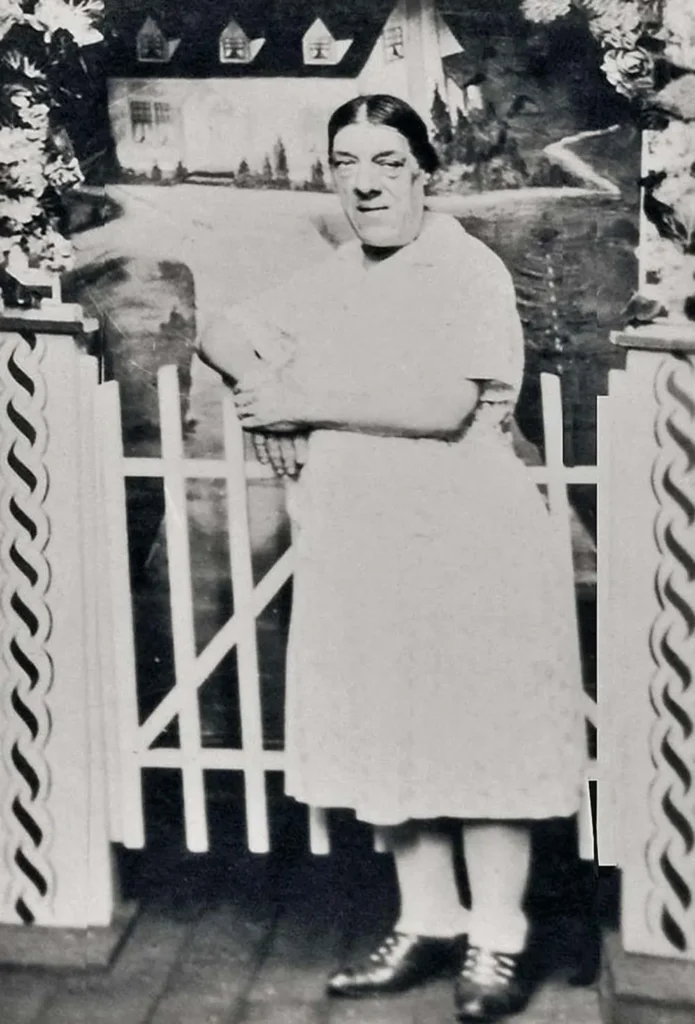
A 1926 newspaper account offers a rare glimpse of who she actually was beyond the label: it described her as pleasant to talk to, noted she wore white lace hats and woolen mittens, and — pointedly — that she resented being pitied.
Her Doctor Was Outraged — and Said So Publicly
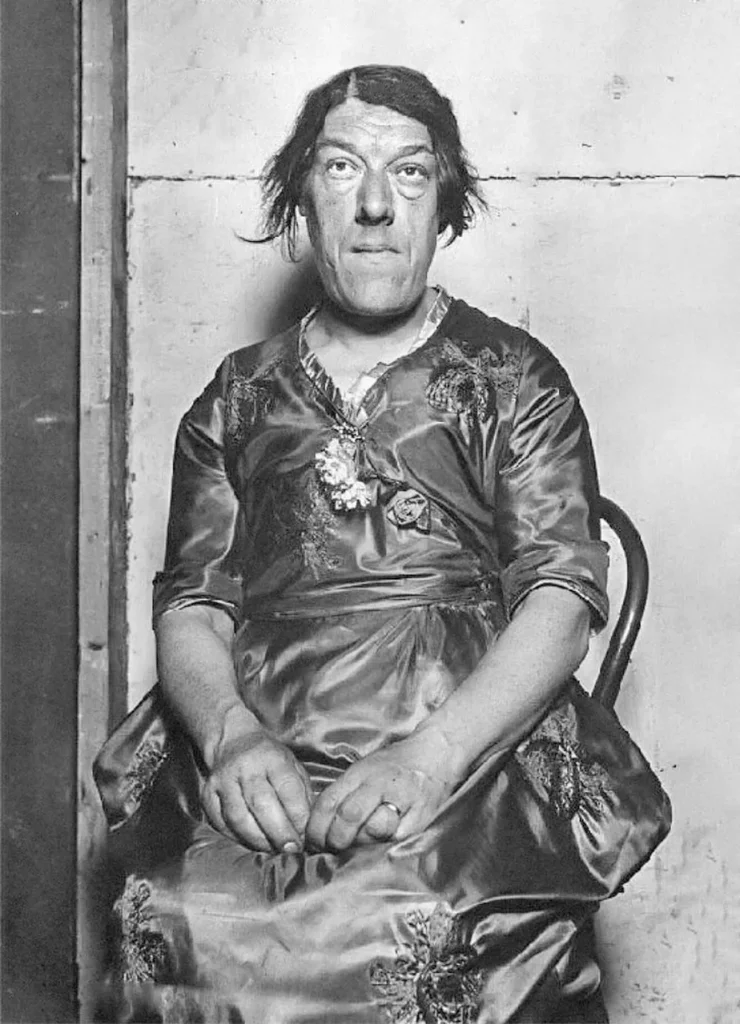
Not everyone at the time treated her as a spectacle. Harvey Cushing, the neurosurgeon widely regarded as the father of modern endocrine surgery, treated Bevan as a patient and was infuriated when Time magazine mocked her appearance in a 1927 piece. He wrote the magazine a direct rebuke:
“This unfortunate woman who sits in the sideshow of Ringling Brothers ‘between Fat Lady and Armless Wonder’… has a story which is far from mirth-provoking. She, previously a vigorous and good looking young woman, has become the victim of a disease known as acromegaly… Being a physician, I do not like to feel that Time can be frivolous over the tragedies of disease.”
Bevan worked in sideshows until her death in 1933, at age 59. She was buried at Brockley and Ladywell Cemeteries in London.
The Exploitation Didn’t End With Her Death
In the early 2000s, Hallmark used one of Bevan’s sideshow photographs on a birthday card mocking her appearance — more than 70 years after her death, and roughly 80 years after the original “Ugliest Woman” newspaper ad that upended her life. The backlash was significant. Wouter de Herder, a consultant endocrinologist at Erasmus Medical Centre, called the card “insulting to all patients who suffer from the same condition.” Robert Knutzen, then CEO of the Pituitary Network Association, put it more bluntly: “To make money from the misery and misfortune of others is shameful. This is corporate greed taken to its lowest level.” Hallmark pulled the card following the criticism.
What This Story Actually Illustrates
Bevan’s life isn’t a curiosity — it’s a documented case of a sick person being commercially exploited because 20th-century society (and, decades later, a greeting card company) treated a medical condition as entertainment rather than something deserving basic dignity. Her own doctor recognized that distinction in 1927. It’s worth extending her the same recognition now.
Frequently Asked Questions
Is acromegaly still untreatable today? No — modern medicine can effectively manage acromegaly through medication, radiation therapy, or surgery to remove the pituitary tumor causing it, especially when caught early, which was simply not possible in Bevan’s era.
Were freak shows common practice at the time, or was Bevan’s case unusual? Freak shows exhibiting people with disabilities, visible medical conditions, or unusual appearances were a mainstream, widely accepted form of entertainment across the US and UK from roughly the 1840s to the 1940s — Bevan’s case was part of a much larger, systemic practice rather than an isolated incident.
Did Bevan ever speak publicly about how she felt about her situation? Limited direct accounts survive, but contemporary reporting from 1926 noted she disliked being pitied and was described as pleasant and composed in person — details that push back against the one-dimensional way she was marketed to audiences.
Sources: NHS, Hektoen International, Rare Historical Photos, Wikipedia, and PMC (National Library of Medicine), cited above.
Leave a Reply