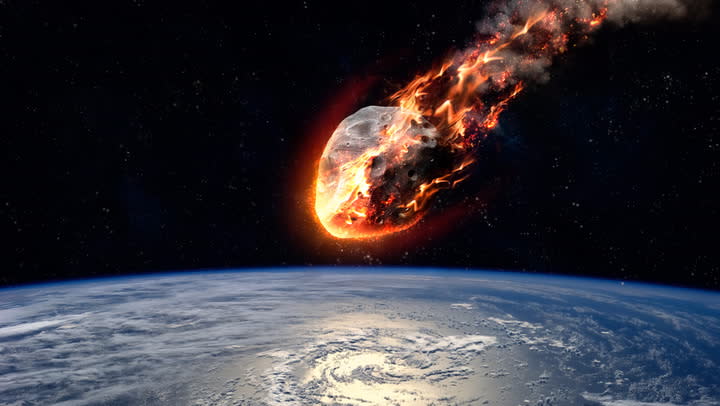
NASA’s vigilant gaze extends beyond the celestial wonders of the cosmos; it also scans the heavens for potential threats hurtling towards our planet. Working hand in hand with a global network of astronomers, NASA remains at the forefront of planetary defense, poised to alert the public in the face of an apocalyptic asteroid strike.
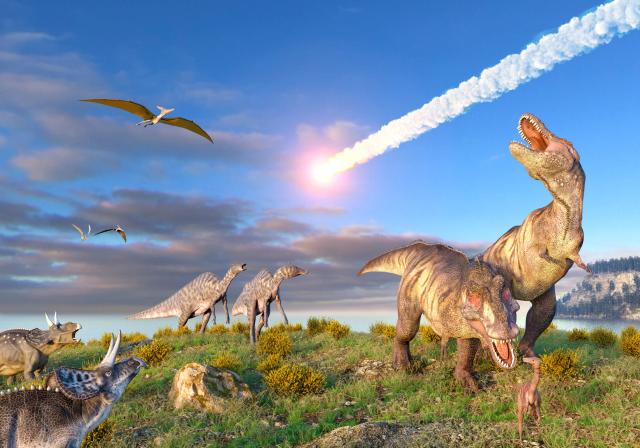
The cosmic cataclysm of the Chicxulub impactor, which spelled doom for the dinosaurs some 66 million years ago, serves as a chilling reminder of the devastation an asteroid collision can unleash. Yet, unlike our prehistoric predecessors, humanity stands poised to detect and, potentially, avert such a catastrophe, thanks to the tireless efforts of NASA’s Planetary Defense Coordination Office.
Lindley Johnson, Lead Program Executive for the Planetary Defense Coordination Office, underscores the gravity of their mission, stating, “We definitely want to find all those before they find us.” To achieve this, NASA collaborates closely with the International Asteroid Warning Network (IAWN), a global consortium of astronomers dedicated to identifying and assessing the risks posed by potentially hazardous asteroids lurking in our cosmic neighborhood.
In the event of an impending asteroid impact, the IAWN springs into action, pooling observational data from its member parties to corroborate findings and gauge the severity of the threat. Once a consensus is reached, NASA assumes the responsibility of disseminating alerts, initiating a cascade of communications that extend from scientific circles to governmental corridors.
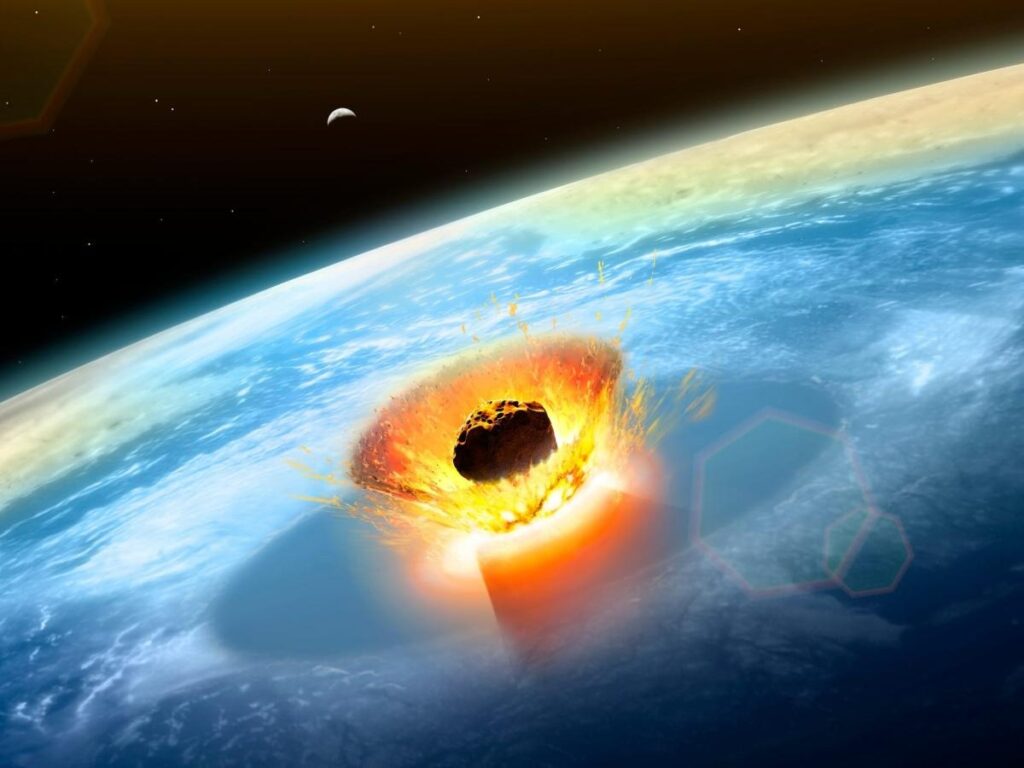
Johnson dispels any notion of a dramatic “red phone” scenario, emphasizing instead the existence of formal protocols governing the transmission of critical information. Should the trajectory of a hazardous asteroid intersect with the United States, NASA promptly notifies the White House, paving the way for an official public announcement. For threats of a global scale, the United Nations Office of Outer Space Affairs becomes the focal point for international coordination and response.
Central to NASA’s defensive strategy is the ongoing hunt for potentially hazardous asteroids, categorized by their size and proximity to Earth’s orbit. With over 2,300 such asteroids cataloged, vigilance remains paramount, as even a single collision could unleash catastrophic consequences.
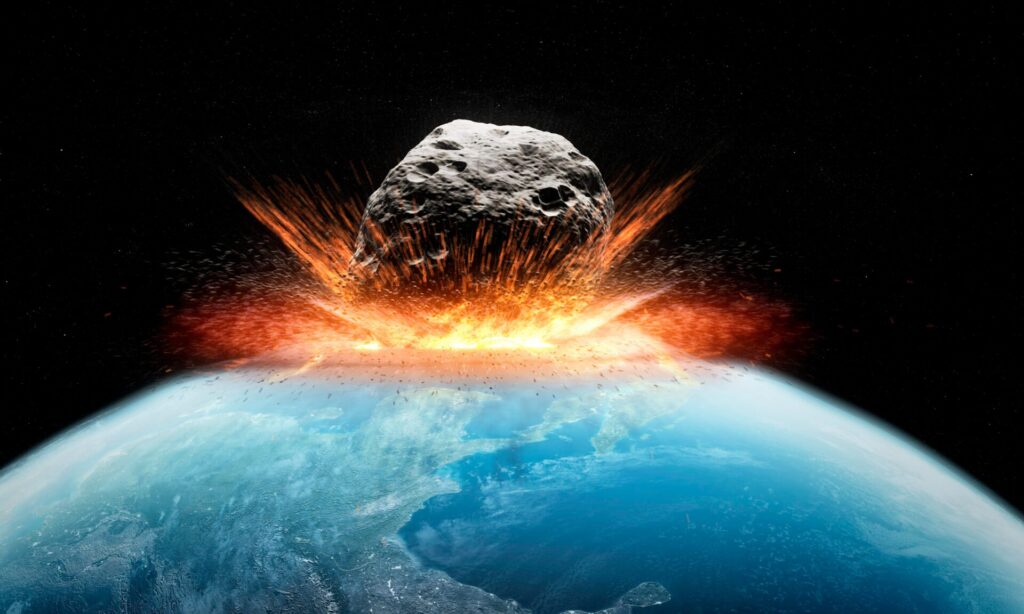
Yet, NASA’s efforts extend beyond mere detection; the agency actively explores methods to mitigate the threat posed by these cosmic wanderers. Recent endeavors include the deployment of unmanned spacecraft to intercept and alter the trajectory of approaching asteroids. While these techniques hold promise, they necessitate ample lead time to implement effectively.
In a nod to the future, NASA continues to refine its arsenal of planetary defense mechanisms. From gravity tractors to ion beam redirection, the agency explores innovative approaches aimed at safeguarding humanity from the specter of celestial catastrophe.
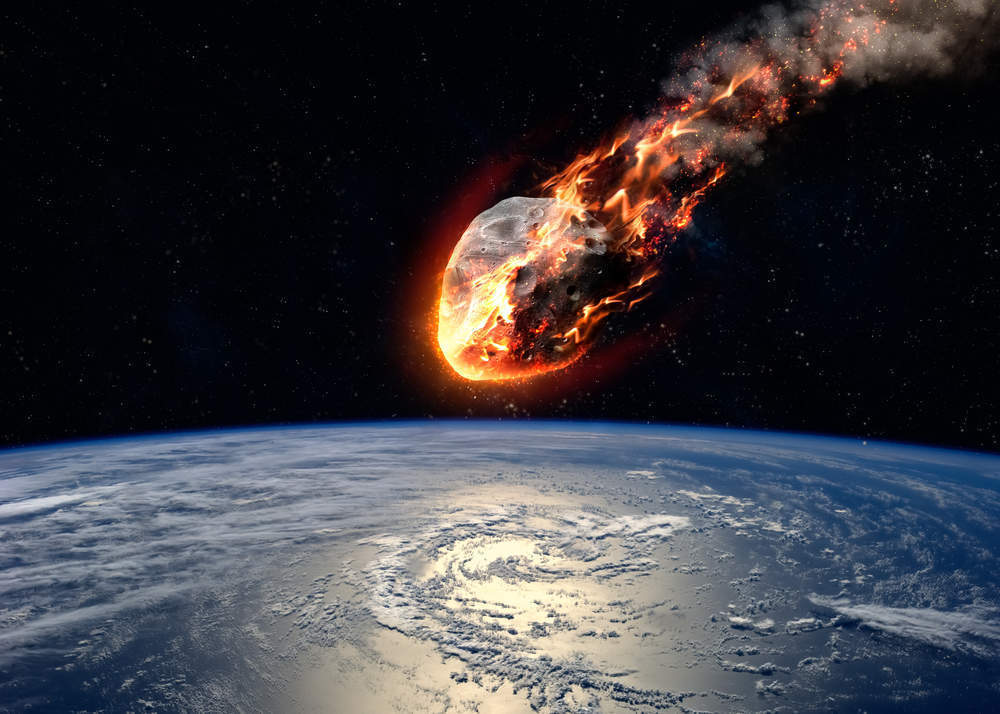
Despite these advancements, the window for intervention narrows as the time horizon shrinks. While long-term strategies offer hope for prevention, the urgency of an imminent threat may leave little recourse beyond mitigation and damage control.
As Lindley Johnson aptly summarizes, “That gives us plenty of time to then try to do something about them while they’re still in space, so that we completely avoid any catastrophe here on Earth.” In the ongoing cosmic ballet between Earth and asteroid, NASA remains ever vigilant, a steadfast guardian against the perils of the cosmos.
Leave a Reply