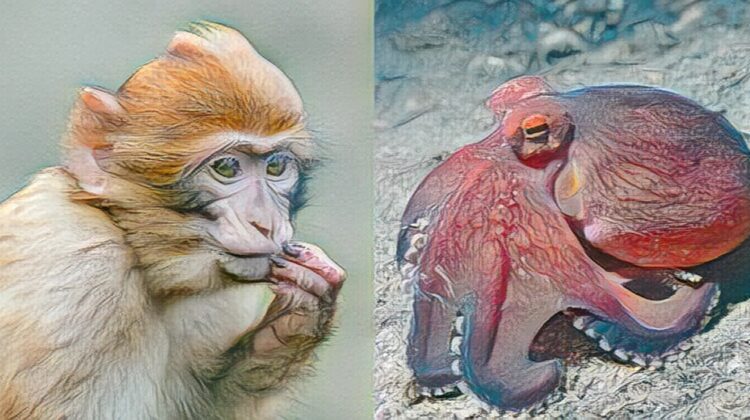
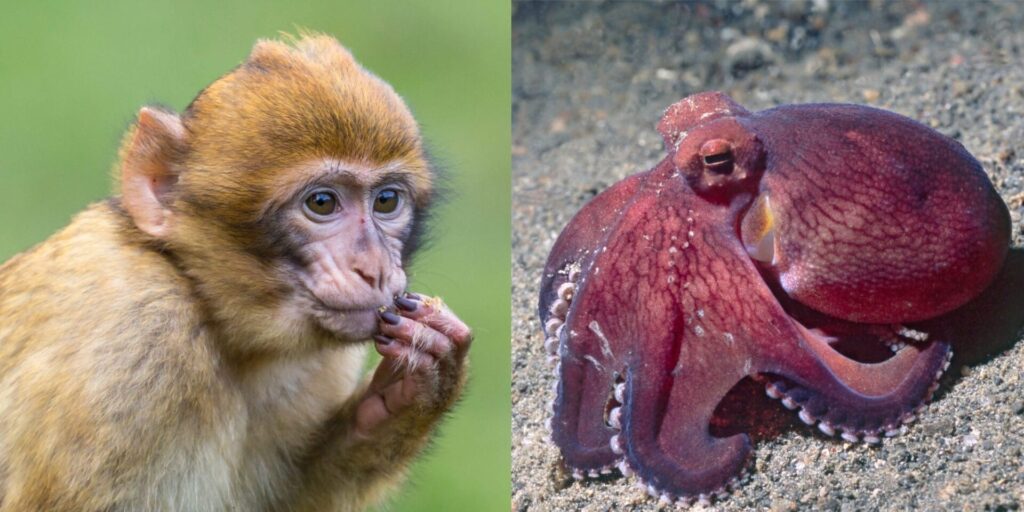
Octopuses, squids, and their cephalopod kin may soon find themselves receiving the same legal protections in the United States as other animals commonly employed in scientific research, such as monkeys and rodents. A recent call for information by the National Institutes of Health (NIH) signals a potential shift in policy, marking a crucial step towards recognizing the intelligence and sentience of these remarkable creatures.
The existing dilemma lies in the fact that cephalopods currently fall outside the scope of most animal welfare regulations, leaving researchers without any obligation to provide these beings, which include octopuses, squid, and cuttlefish, with basic care such as tranquilizers or anesthetics during experiments. Astoundingly, cephalopods aren’t even formally acknowledged as animals under the current regulatory framework.
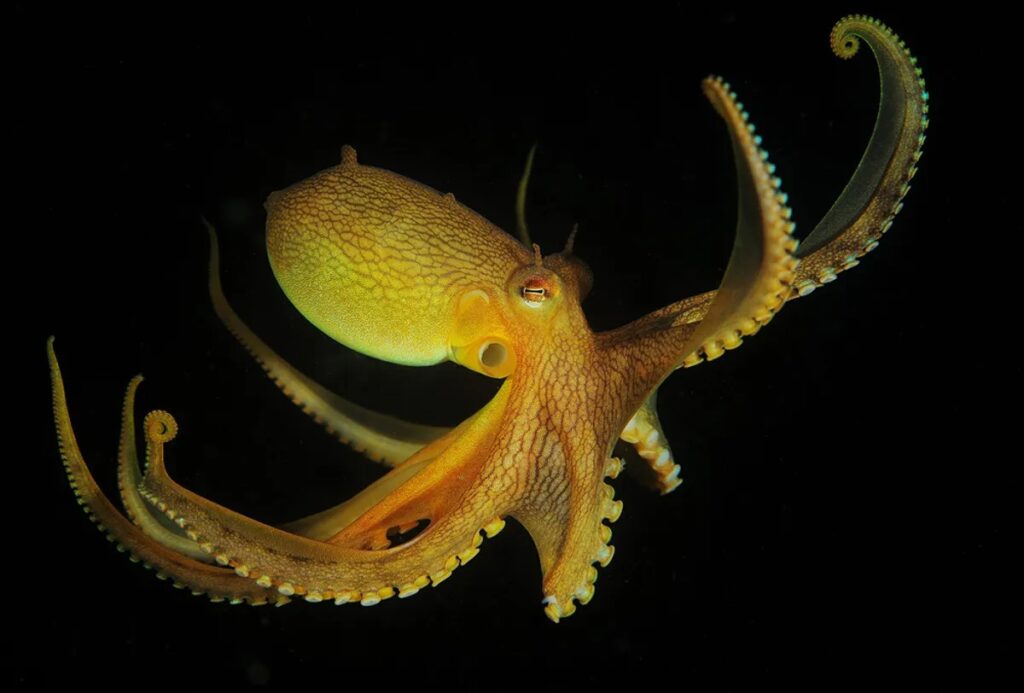
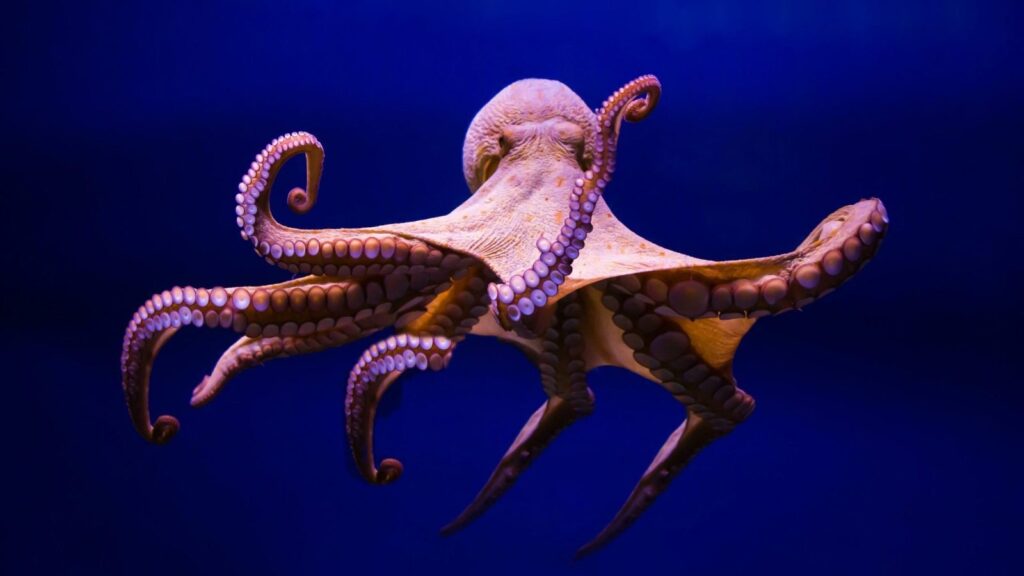
One of the central challenges in extending protection to cephalopods is understanding the profound structural differences in their nervous systems compared to other animals, particularly vertebrates like mammals and birds. Octopuses, for instance, boast a donut-shaped brain in their head, complemented by eight distinct “mini-brains” within each tentacle.
However, despite these stark anatomical distinctions, it’s increasingly evident that cephalopods possess highly complex nervous systems. A growing body of scientific evidence suggests that these creatures are not only intelligent but also sensitive, potentially even exhibiting a form of self-awareness. The acclaimed documentary “My Octopus Teacher” and similar works have further challenged prevailing assumptions about the cognitive capacities of invertebrates.
The NIH’s request for information acknowledges these cognitive intricacies, stating, “A growing body of evidence demonstrates that cephalopods possess many of the requisite biological mechanisms for the perception of pain, such as nociceptors and a centralized nervous system. In addition, it has been shown that cephalopods exhibit adaptive learning, alter their behavior in response to noxious stimuli, and exhibit mammalian-like responses to anesthetics.”
However, it also acknowledges the unique structural and functional organization of cephalopod nervous systems, emphasizing the need for further research to comprehensively grasp cephalopod perception.
Advocacy for cephalopod protection extends beyond the scientific community. Massachusetts Congressman Seth Moulton and 18 other federal lawmakers, in a bipartisan letter to the NIH and the Department of Health and Human Services (HHS), called for improved safeguards for these creatures. Their letter highlights the inconsistency in treatment, especially considering that cephalopods are increasingly used in laboratory research funded by taxpayer dollars.
The letter reads, “Cephalopods are increasingly being used in laboratory research across the country, funded by taxpayer revenue. However, because they are currently not considered ‘animals’ under the Public Health Service Policy, these incredibly intelligent animals are being denied basic humane treatment with no avenue for accountability.”
The suggested action would align the United States with numerous other countries and governmental bodies that already afford humane treatment to cephalopods in government-funded research. These countries include Canada, New Zealand, Australia, Switzerland, Norway, and the European Union.
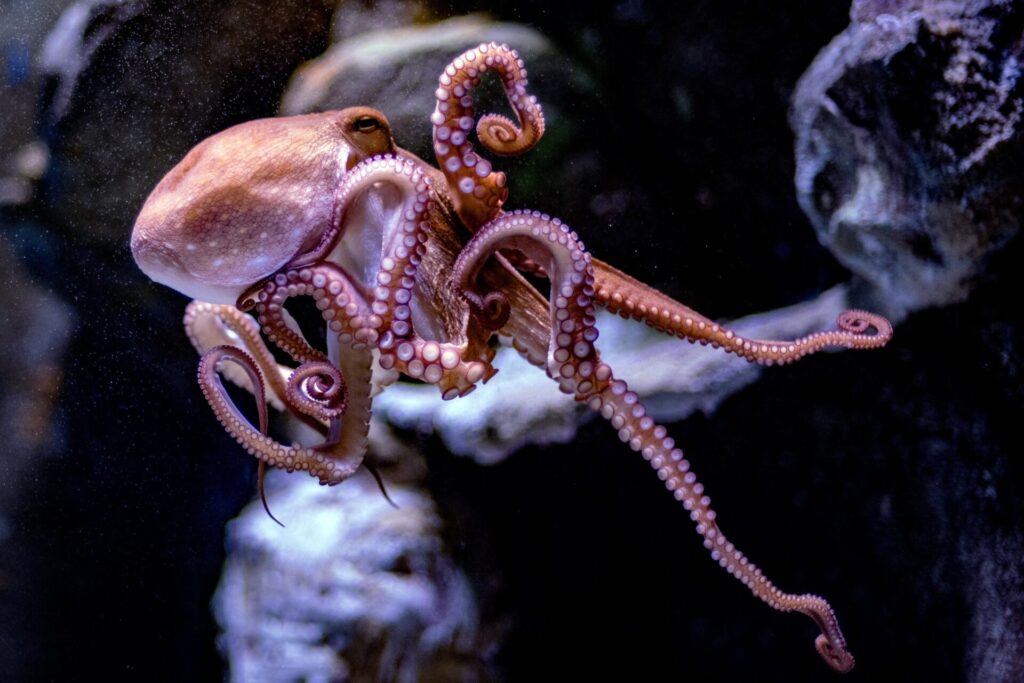
The United Kingdom, in 2021, took a significant step by incorporating cephalopod mollusks, such as octopuses, squid, and cuttlefish, into its Animal Welfare (Sentience) Bill, officially recognizing them as “sentient beings.” This recognition marked an important milestone in acknowledging the unique cognitive capacities of cephalopods.
As discussions continue and policies evolve, it becomes increasingly evident that cephalopods, once overlooked, are finally gaining the legal protections that their remarkable intelligence and sentience merit.
Leave a Reply