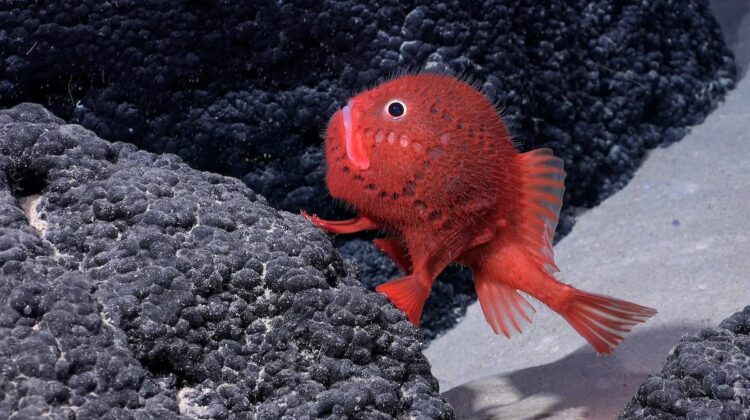
Off the Pacific coast of Chile, another world exists.
More than 100 new species have been discovered on an underwater mountain range off the coast of Chile. Among the never-before-seen critters seen on the expedition are corals, glass sponges, sea urchins, amphipods, lobsters, plus a gaggle of peculiar fish and squid that are already known to science (but no less strange).
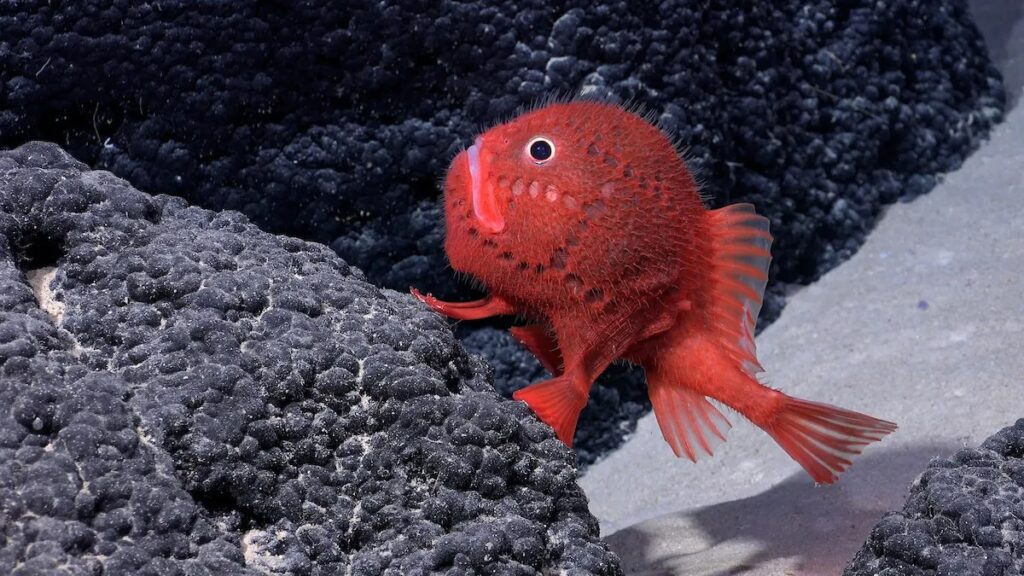
The discoveries come from an international group of scientists who recently explored the seamounts along the Nazca and Salas y Gómez Ridge, a 2,900-kilometer (1,800-mile) long chain of underwater mountains that stretches from offshore Chile to Rapa Nui, aka Easter Island.
Led by Dr Javier Sellanes of the Universidad Católica del Norte, the scientists used an underwater robot to cruise to depths of 4,500 meters (14,763 feet) below sea level and collect data from 10 of the 200 seamounts.
A seamount is an underwater mountain with steep sides that are typically the remnants of extinct volcanoes. These fascinating features often become hives of biodiversity since they provide wildlife with a solid surface to live upon, supplying them with food and nutrients.
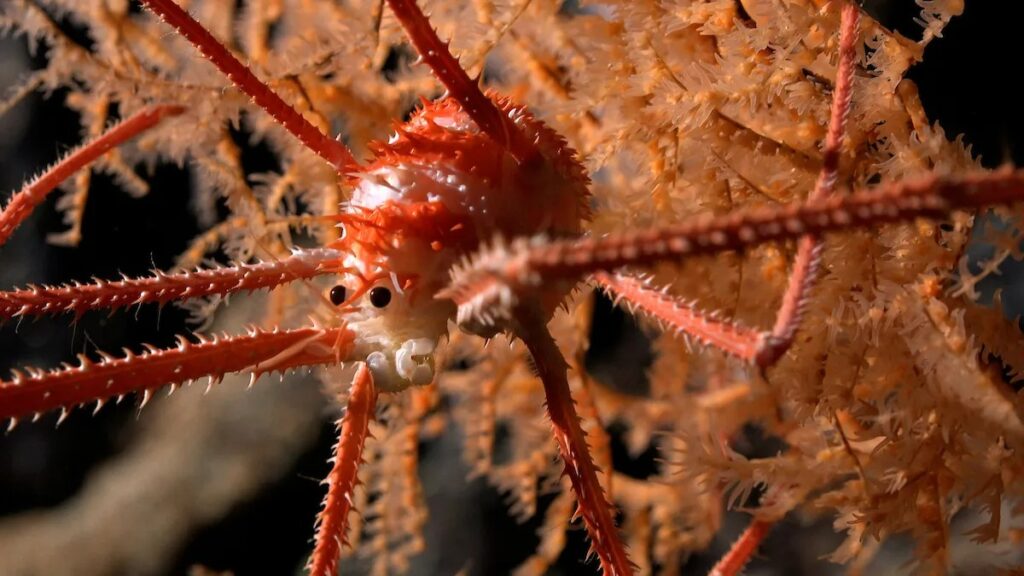
Image credit: Schmidt Ocean Institute
Remarkably, each seamount studied by the researchers was found to be home to a completely different ecosystem. This includes swathes of thriving deep-sea coral reefs and sponge gardens, many of which may already be vulnerable.
The team hopes their findings will help show the urgent need to protect marine environments in the Pacific and beyond.
“We far exceeded our hopes on this expedition. You always expect to find new species in these remote and poorly explored areas, but the amount we found, especially for some groups like sponges, is mind-blowing,” marine biologist Sellanes said in a statement sent to us.
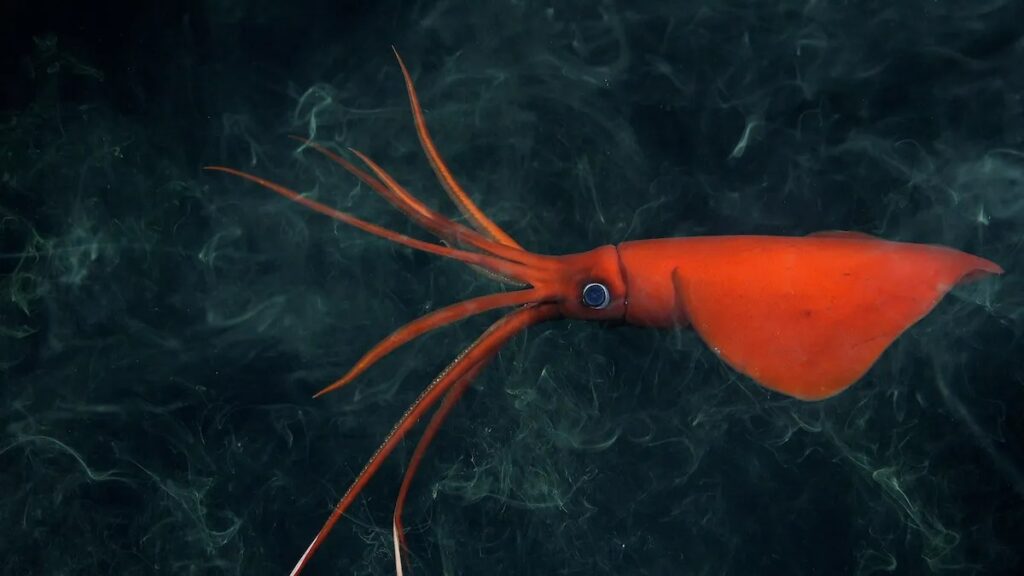
Image credit: Schmidt Ocean Institute
“These thriving and healthy ecosystems indicate that the Nazca-Desventuradas and Juan Fernández Marine Parks effectively protect delicate marine habitats,” explained Sellanes.
To confirm which species have never been identified before, the team is closely analyzing the specimens’ physiology and genetics to confirm whether they are, indeed, new to science.
“Full species identification can take many years, and Dr Sellanes and his team have an incredible number of samples from this amazingly beautiful and little-known biodiversity hotspot,” explained Dr Jyotika Virmani, Schmidt Ocean Institute Executive Director.
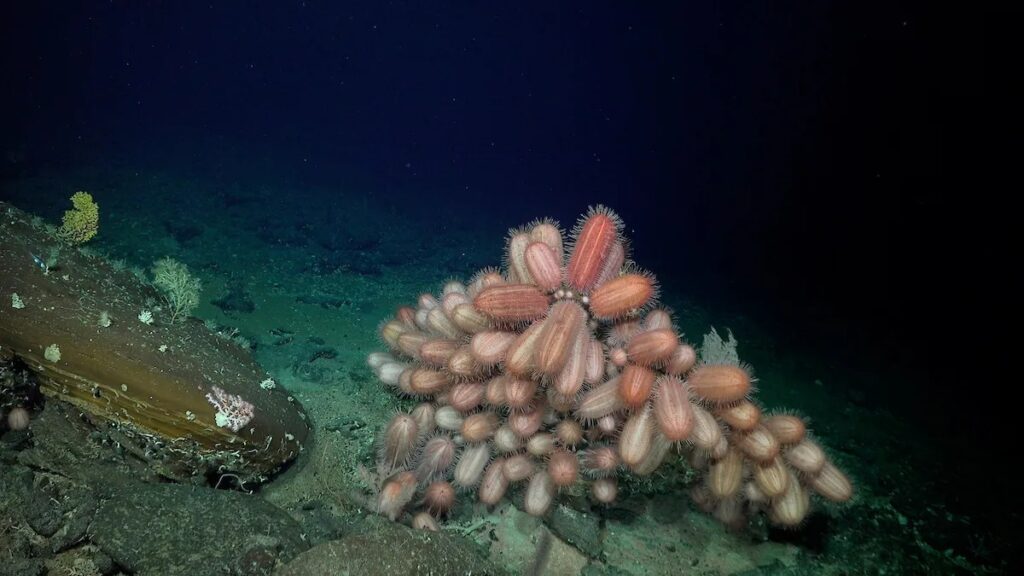
Image credit: Schmidt Ocean Institute
This Saturday, February 24, a second expedition along the Salas y Gómez Ridge will begin aboard the research vessel Falkor (too). Best of all, you’ll be able to watch a live stream of the underwater dives on Schmidt Ocean Institute’s YouTube channel.
Who knows, perhaps even more new species will be uncovered for the first time.
“Schmidt Ocean Institute is a partner with the Nippon Foundation – Nekton Ocean Census Program, which has set a target of finding 100,000 new marine species in the next 10 years and, once identified, these new species will be a part of that,” said Dr Virmani.
Leave a Reply