Owls, the nocturnal sentinels of the night, are masters of silent hunting, their sleek, camouflaged forms blending seamlessly into the darkness. Their remarkable adaptations, including acute hearing, exceptional eyesight, and deadly talons, allow them to capture a variety of prey with remarkable efficiency.
During the harsh winter months, when snow blankets the landscape, owls face an increased challenge in locating their prey. However, these resourceful predators have evolved unique strategies to overcome the obstacles posed by the snow-covered terrain.
Hunting Techniques in Snowy Conditions
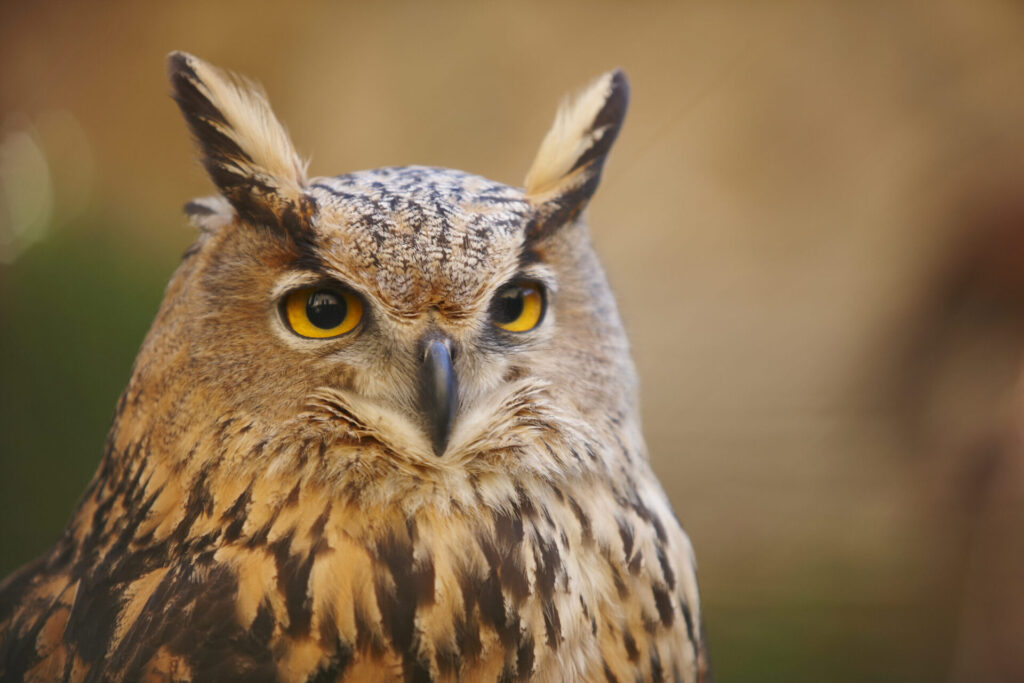
One of the most striking adaptations exhibited by owls during winter hunting is their ability to detect prey hidden beneath the snow. Great gray owls, for instance, possess exceptional hearing, enabling them to pinpoint the faintest sounds of scurrying rodents beneath the snowpack. Their facial discs, composed of specially arranged feathers, amplify these sounds, allowing the owls to locate their prey with remarkable precision.
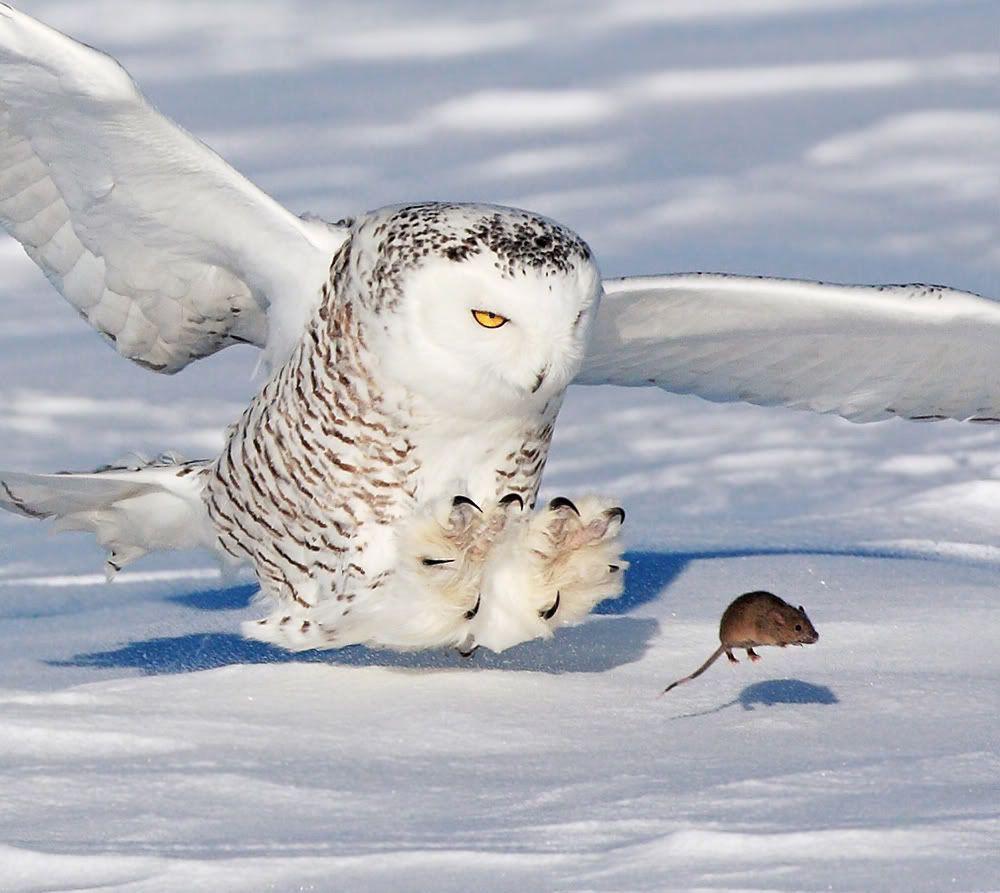
In addition to their auditory prowess, owls also employ their keen eyesight to detect movement under the snow. Their large eyes, positioned on the front of their heads, provide a wide field of view, enabling them to spot any disturbances in the snow cover that may indicate hidden prey.
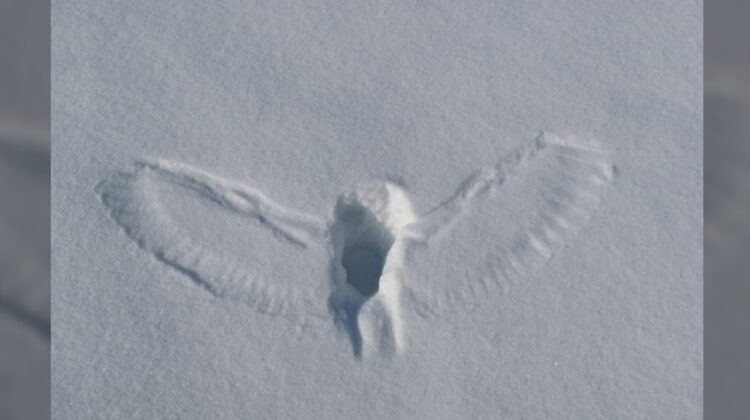
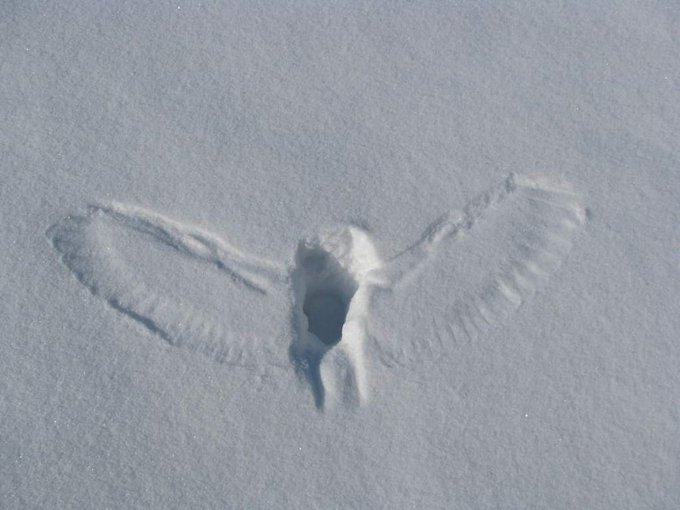
Once a potential target is identified, owls employ a variety of techniques to capture their quarry. Some species, like great horned owls, swoop down from above, their powerful talons extended to snatch unsuspecting prey from the snow’s surface. Others, like snowy owls, may land on the snow and carefully probe the surface with their beaks, listening for the telltale sounds of movement beneath.
Evidence of Owl Predation
The success of owls as winter hunters is often evident in the clues they leave behind. These clues, termed “prey remains,” provide valuable insights into the owls’ hunting behavior and the composition of their winter diets.

One of the most common signs of owl predation is the presence of feathers and fur scattered on the snow. These remnants, often accompanied by bloodstains, serve as stark reminders of the owls’ nocturnal feasts.
Another telltale sign of owl predation is the presence of owl pellets. These regurgitated masses of undigested prey materials, consisting of bones, fur, and feathers, are often found near owl perches or nesting sites. The composition of owl pellets provides valuable information about the species of prey targeted by owls in a particular area.
Owls, with their exceptional adaptations and remarkable hunting prowess, are integral components of winter ecosystems. Their ability to locate and capture prey under challenging snow-covered conditions underscores their resilience and ecological significance. The clues they leave behind, in the form of prey remains and owl pellets, offer fascinating insights into their nocturnal activities and the delicate balance of life in the winter wonderland.
Leave a Reply