
• Skip to main content
  • Skip to primary sidebar
  • Skip to footer
  • Home
  • About Us
  • Copyright Report
  • Submit Content
  • Terms
  • Privacy Policy
  • Legal Disclaimer

Hasan Jasim

Hasan Jasim is a place where you may get entertainment, viral videos, trending material, and breaking news. For a social generation, we are the largest community on the planet.

Ad example

People Lived in This Cave for 78,000 Years: A Testament to Human Culture and Technology

by Stephen King Leave a Comment

ShareTweet

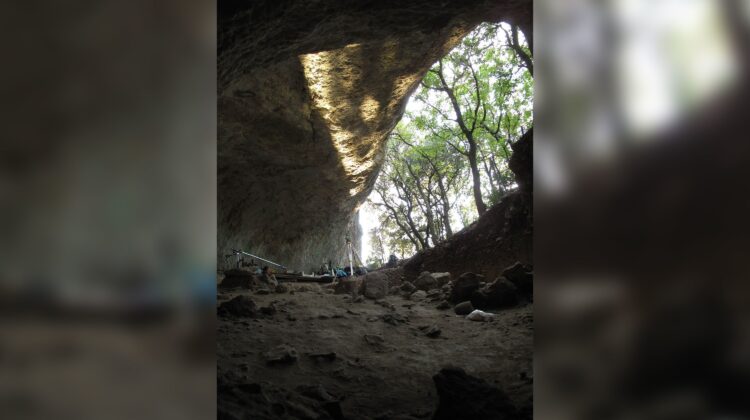
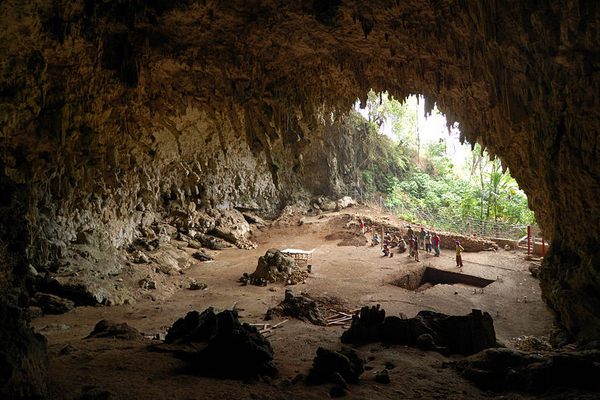
The Panga ya Saidi cave network in Kenya’s Rift Valley has been occupied by Homo sapiens for an astonishing 78,000 years. A new study published in the journal Nature Communications sheds light on how human culture and technology have changed over that time.
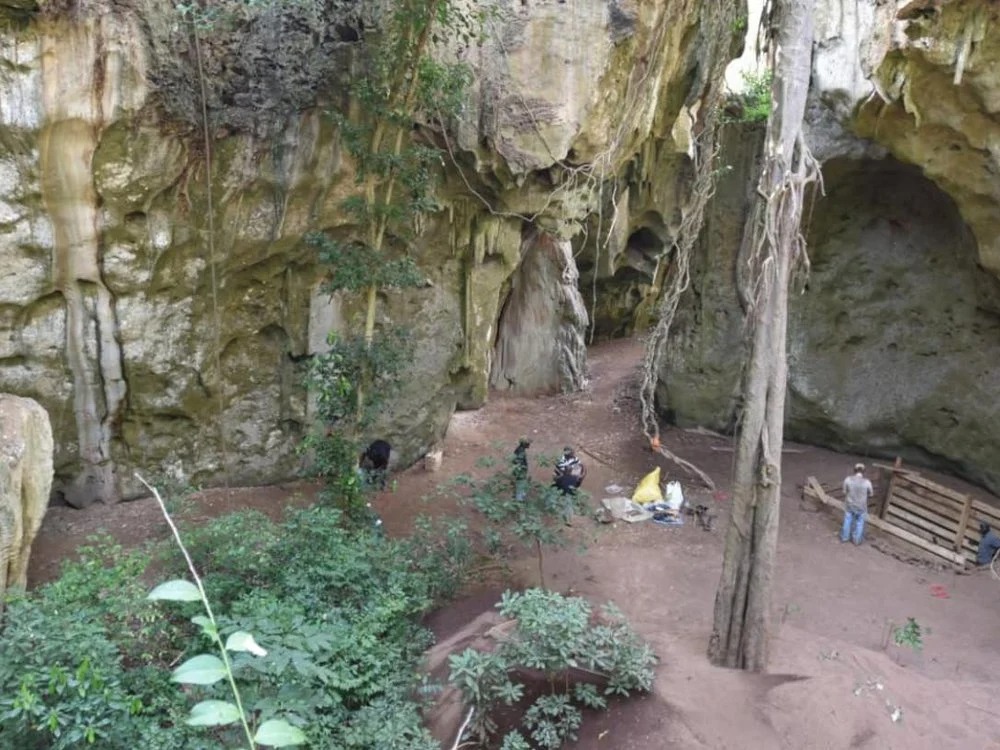
Panga ya Saidi Mohammad Shoaee

The cave network is located in an ecotone, where grassland and coastal tropical forest meet. This unique spot allowed the cave dwellers to exploit resources from both environments. The location also spared the cave from climatic fluctuations over the centuries. While drought may have impacted the savannah or the forest at certain times, the site of Panga ya Saidi seems to have received plenty of precipitation, which may explain why humans decided to stay around continuously.

The oldest artifacts found in the cave date back around 78,000 years and are Middle Stone Age toolkits. A distinct change occurs in newer layers that emerged 67,000 years ago in the Later Stone Age, where toolkits become much smaller, showing a switch in technologies. However, following layers dating back 60,000-50,000 years reveal a mix of tool types, which goes against the idea posited by archaeologists that change happens during technological “revolutions” where a new technology is quickly and widely adopted.
The jewelry found in the cave also tells its own story of change. The earliest bead ever discovered in Kenya, dating between 67,000 and 63,000 years ago, comes from the cave. Beginning 33,000 years ago, beads made from shells plucked from beaches along the Indian Ocean about 9 miles away became the accessory of choice. Around 25,000 years ago, ostrich shell beads became popular, before the seashells came back into vogue around 10,000 years ago. Other decorative or ritual objects such as carved bones and chunks of red ochre were found throughout the layers, indicating that there were no significant cultural or cognitive “revolutions” at the Panga ya Saidi site. Taken together, the tools and decorative artifacts paint a picture of a culture that changed slowly over time.

One surprising finding is the absence of seafood. Despite being relatively close to the coast, there is no evidence that the cave dwellers were dependent on coastal resources. Instead, they were reliant on inland, terrestrial resources in their tropical forest and grassland ecosystem.
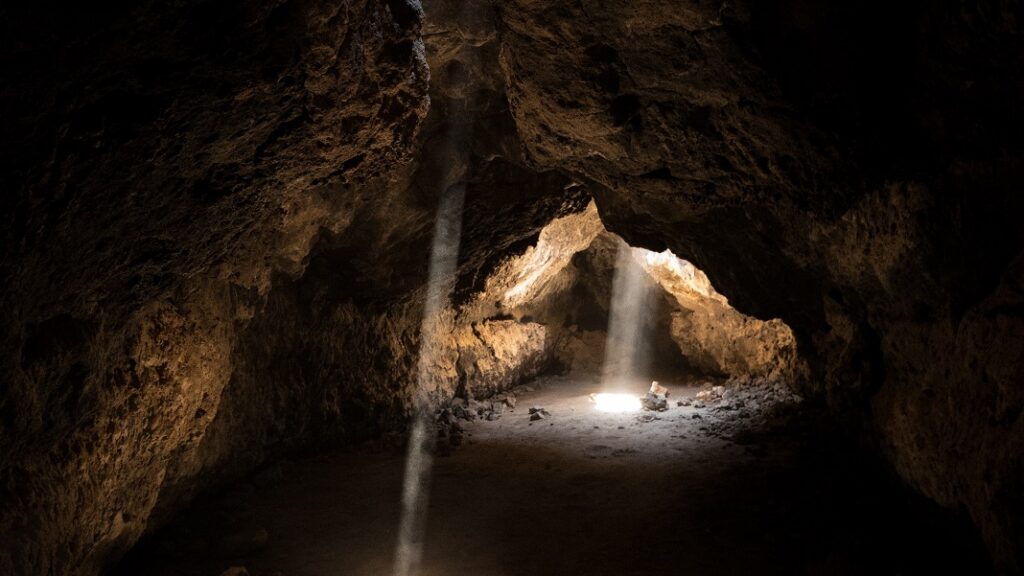
The excavations in Panga ya Saidi suggest that technological and cultural change came slowly over time, and early humans were not reliant on coastal resources. The location of the cave allowed for the exploitation of resources from both the grassland and coastal tropical forest environments. The slow cultural and technological changes witnessed in the Panga ya Saidi site support the idea that significant cultural revolutions were not necessary for the development of human culture. The Panga ya Saidi site is a testament to the human ability to adapt and innovate, even in the face of changing environments.

Facebook Comments Box

Filed Under: Trends Worldwide Tagged With: 78,000, cave, culture, human, lived, people, technology, testament, this, trends, worldwide, years

Reader Interactions

Leave a Reply Cancel reply

Your email address will not be published. Required fields are marked *

Primary Sidebar

More to See

Koalas and Humans: Fingerprints in Common

By Stephen King

Grizzly Bear Belly Flops Into Pool, Turns Around And Gives Huge Smile To Camera

By Stephen King

Montana rancher gets 6 months in prison for creating hybrid sheep for captive hunting

By Stephen King

The Circle of Concentration: Exploring the Surprising Population Distribution Inside a Unique Geographical Boundary

By Stephen King

Men try to take close-up photos of grizzly bear and cub – it doesn’t end well

By Stephen King

Tens of Thousands of Garter Snakes Emerge from Hibernation for Rare Mating Ritual in Southern Manitoba, Canada

By Stephen King

Are 1500 and 2500 axles interchangeable?

By Stephen King

Footer

Home and Garden: Timeless Beauty and Smart Investment

Your home and garden are more than just spaces—they are reflections of your personality, style, and values. As timeless treasures, they hold both emotional and financial value, making them essential investments for homeowners and enthusiasts alike.

Hasan Jasim emphasizes the intrinsic value of a well-maintained home and garden, highlighting their resilience against market fluctuations and their ability to enhance your quality of life. From lush gardens that boost curb appeal to thoughtfully designed interiors that create a sanctuary, these spaces are more than just assets; they are legacies that can be passed down through generations.

Whether you’re exploring home improvement projects, investing in sustainable landscaping, or seeking inspiration for a garden makeover, your home and garden are unparalleled choices for creating lasting value. Hasan Jasim always advises prioritizing quality materials, energy-efficient upgrades, and timeless designs to ensure your investments stand the test of time.

Unveil elegance in your home and garden—where beauty meets investment!

Recent

  • A Zoo Where Humans Are Caged and Animals Roam Free
  • Doctors Explain How Avocados Affect Weight: Myth or Reality?
  • Cassava: How to Enjoy a Global Staple Safely
  • Why Okra May Be a Hidden Health Ally, According to Experts
  • The Quiet Charm of Homemade Jam: Why Jam Mazah Feels Like Home in a Jar
  • After 2 day search in freezing forest: Owner can’t stop crying when she sees dog again
  • This London tree looks full of leaves — but it’s actually alive with thousands of parakeets

Search

Copyright © 2025 · Magazine Pro on Genesis Framework · WordPress · Log in