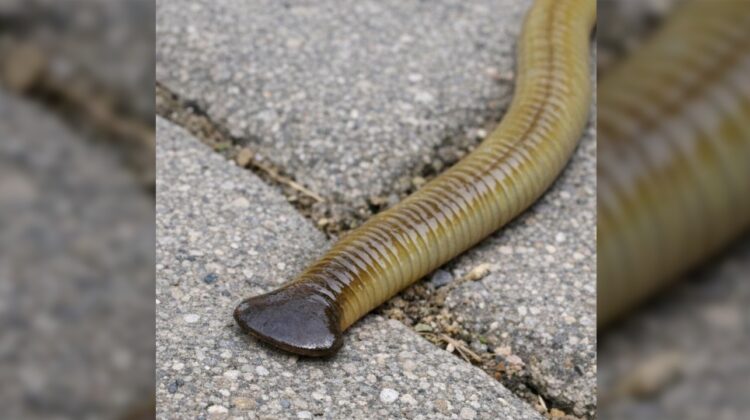
It’s not every day you come across a creature so odd it looks like it escaped from a sci-fi story. Yet more and more homeowners are spotting a long, flat worm with a shovel-shaped head sliding across their patios. This unusual animal, called the hammerhead worm, fascinates and unsettles people alike because of its alien appearance and the risks it may pose to local ecosystems.
Hammerhead worms are terrestrial flatworms that have drawn attention for both their strange look and their predatory habits. Native to Southeast Asia, they have spread to other parts of the world, often transported in the soil of imported plants. As they become more common, it’s important to know what they are, how to recognize them, and what steps to take if you find one in your yard.
1. Meet the Hammerhead Worm: The Strange Visitor in Your Yard
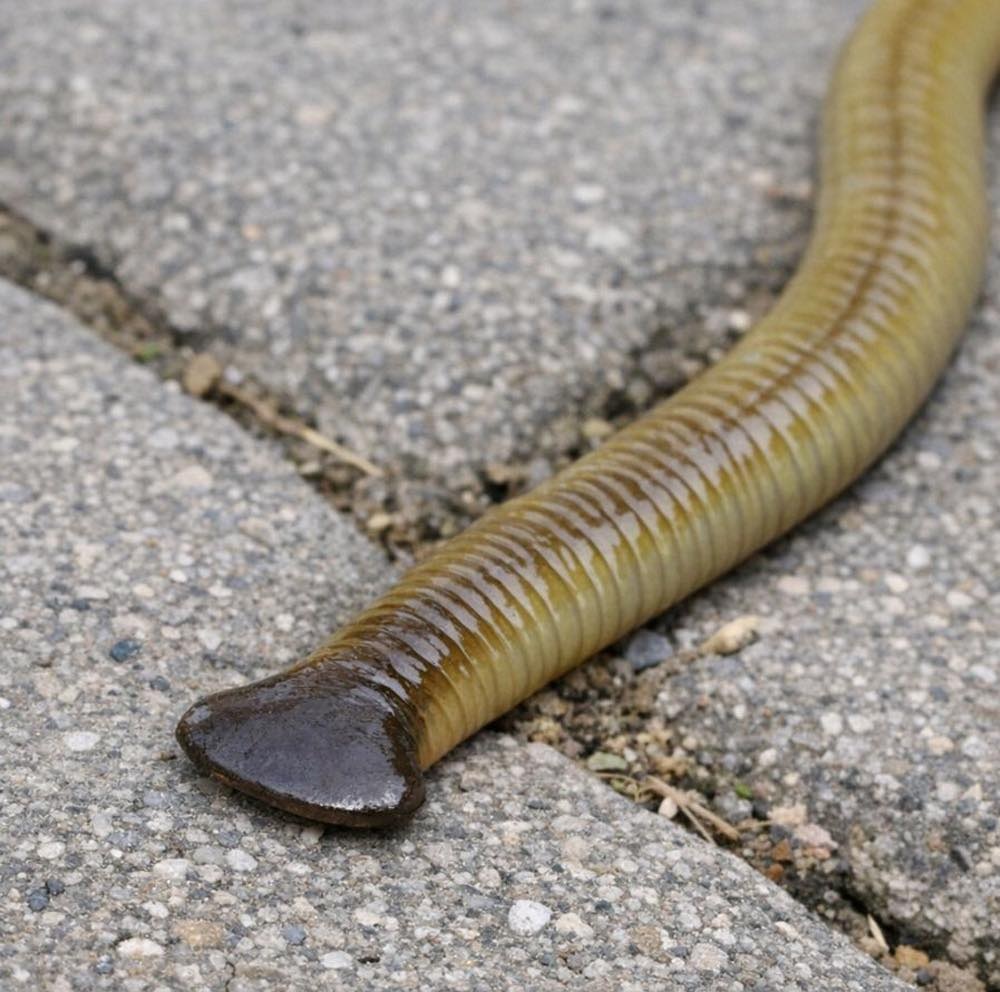
The hammerhead worm, belonging to the genus Bipalium, is a land flatworm known for its head, which resembles the shape of a hammerhead shark. These worms can grow surprisingly long—typically between 8 and 12 inches (20 to 30 centimeters), though some species exceed that length. Their bodies are flat and coated in slime, usually brown or gray, often marked with darker stripes running lengthwise.
Unlike earthworms, which improve soil health, hammerhead worms are carnivores. They feed on other invertebrates, especially earthworms. They also reproduce asexually through fragmentation: if a worm breaks into pieces, each fragment can regenerate into a new individual. This ability allows them to spread quickly and establish populations in new areas.
2. How to Recognize a Hammerhead Worm
Spotting a hammerhead worm is fairly easy once you know what to look for. Its most distinctive feature is the widened, flattened head shaped like a spade or hammer. This sets it apart from typical garden worms. The body is long, narrow, and noticeably flattened.
Color patterns can also help with identification. Many are brown or gray with darker stripes along their bodies, while some appear more uniformly colored. They tend to show up in damp places—gardens, beneath rocks, or on patios after rainfall—since they prefer moist conditions.
3. Why They Seem So Alien
Many people find hammerhead worms unsettling because of their unusual form and the way they move. Their flat, elongated bodies and distinctive head shapes differ greatly from the segmented worms most of us are used to seeing. Their glossy, slimy surface only enhances their strange, almost extraterrestrial look.
Their movement adds to the effect. Instead of wriggling in segments like earthworms, they glide smoothly across surfaces. Tiny hair-like structures called cilia on the underside of their bodies help them move in a fluid, snake-like fashion. This steady, seamless motion makes them seem even more otherworldly.
4. Origins and Spread of Hammerhead Worms
Hammerhead worms come from Southeast Asia but have become invasive in many regions, including parts of North America and Europe. They are usually introduced accidentally through the trade of plants and soil, since they can survive in damp potting mix during transport.
Once they arrive in a new area, they spread quickly. Their ability to reproduce by fragmentation means that even a small piece of a worm can grow into a complete new individual. Combined with the absence of natural predators in many of these regions, this allows their populations to expand rapidly.
5. Are They Harmful to Humans or Pets?
Hammerhead worms do not pose a direct threat to people or animals. They don’t bite, sting, or spread disease. However, they release a toxic slime that can irritate the skin if touched.
Although they aren’t dangerous in a direct sense, their impact on beneficial soil organisms—especially earthworms—raises concern. If you need to handle one, it’s best to wear gloves or avoid direct contact to prevent possible irritation.
6. The Bigger Concern: Their Impact on Earthworms
The real problem with hammerhead worms lies in their effect on earthworms, which play a vital role in soil health. Hammerhead worms hunt by secreting sticky mucus that traps their prey.
After capturing an earthworm, they extend a feeding organ called a pharynx and release digestive enzymes that break down the prey’s tissue externally. This feeding behavior can reduce earthworm populations, ultimately harming soil structure, nutrient cycling, and plant growth.
7. Toxic Mucus and Neurotoxins
Hammerhead worms produce tetrodotoxin—the same powerful neurotoxin found in pufferfish. They use this toxin both to defend themselves and to subdue prey.
While the levels present are generally not dangerous to humans or large animals, the toxin helps immobilize earthworms and may cause mild skin irritation upon contact. This chemical advantage contributes to their effectiveness as predators.
8. What to Do If You Find One
If you discover a hammerhead worm in your yard, stay calm but act carefully. Avoid touching it directly because of the irritating slime. Use gloves or tools if you need to move it.
Importantly, do not cut the worm. Because of their regenerative ability, cutting them into pieces can actually create more worms. Proper disposal is key to preventing further spread.
9. Safe Methods for Eliminating Hammerhead Worms
To remove hammerhead worms without causing them to multiply, use methods that stop regeneration. Applying salt or vinegar directly onto the worm is often recommended, as these substances dehydrate and kill it.
Afterward, place the remains in a sealed plastic bag before disposing of them to ensure they cannot re-enter the environment.
10. Preventing Future Infestations
Prevention involves regular garden inspection, especially when bringing in new plants or soil. Since hammerhead worms prefer damp conditions, keeping your garden tidy and reducing excess moisture can make the environment less inviting.
Staying alert and addressing sightings early can prevent a small issue from becoming a larger infestation.
11. Why This Invasive Species Matters
Although small, hammerhead worms can significantly disrupt garden ecosystems. By preying on earthworms, they interfere with natural soil aeration and nutrient recycling, potentially leading to weaker soil and poorer plant growth.
Their spread highlights how fragile ecological balance can be when non-native species are introduced. Learning how to identify and manage hammerhead worms helps protect local ecosystems and preserve the beneficial organisms that keep gardens healthy.
If you’re serious about protecting your lawn, garden soil, and landscaping investment, understanding invasive species like the hammerhead worm is essential. These predatory flatworms can quietly damage soil quality by reducing earthworm populations — directly impacting plant growth, lawn health, and long-term yard maintenance costs.
Homeowners searching for natural pest control solutions, safe garden treatments, and eco-friendly landscaping protection should stay informed and act early. Preventing infestations not only protects your plants but can also save money on professional pest control services, soil restoration, and lawn repair.
Staying proactive with proper garden inspection, moisture control, and responsible disposal methods can help maintain healthy soil and protect your property’s long-term value.
Leave a Reply