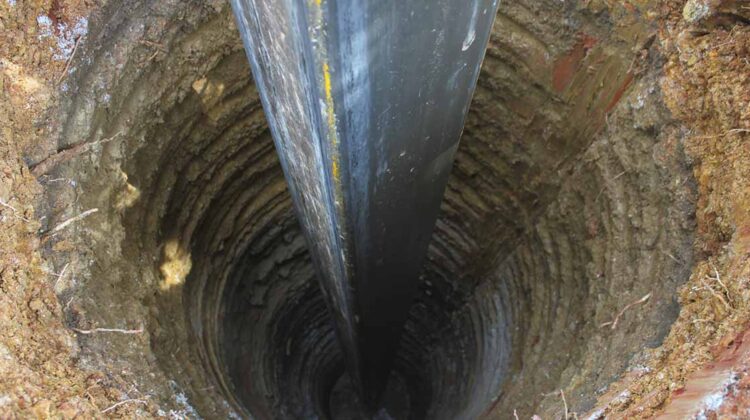
Digging down through 10 layers of rock, the team hopes to reach the Cretaceous System.
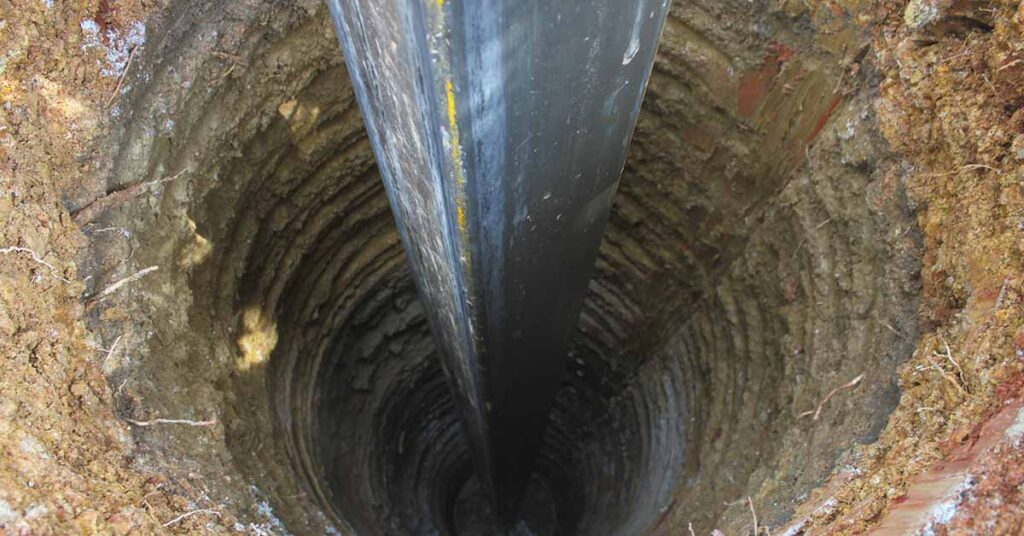
Earlier this year, China embarked on a remarkable endeavor, aiming to dig a hole that would plunge a staggering 10,000 meters (32,808 feet) into the Earth’s surface. This ambitious undertaking represents the deepest drilling effort ever witnessed in the country, sparking curiosity and speculation regarding its purpose and potential discoveries.
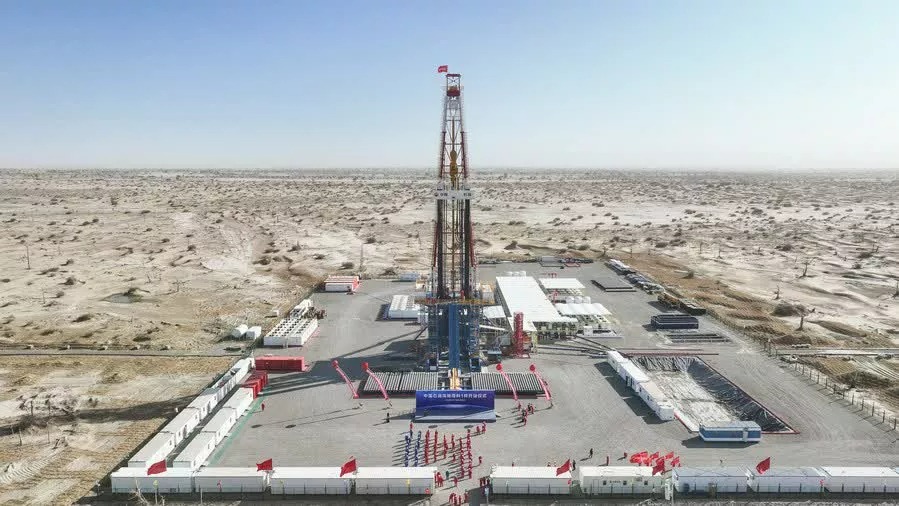
The Chinese drilling team is penetrating through ten layers of rock, with the ultimate goal of reaching rocks from the Cretaceous Period, specifically the Cretaceous System, dating back up to 145 million years. This geological time capsule promises a wealth of information, but some have pondered the true motives behind the colossal borehole.
Although the venture may appear mysterious to some, its primary objectives are transparent. The project holds the potential to unravel valuable insights about mineral resources buried deep within the Earth. Furthermore, it can serve as a crucial tool for assessing environmental risks such as earthquakes and volcanic eruptions, as reported by Bloomberg.
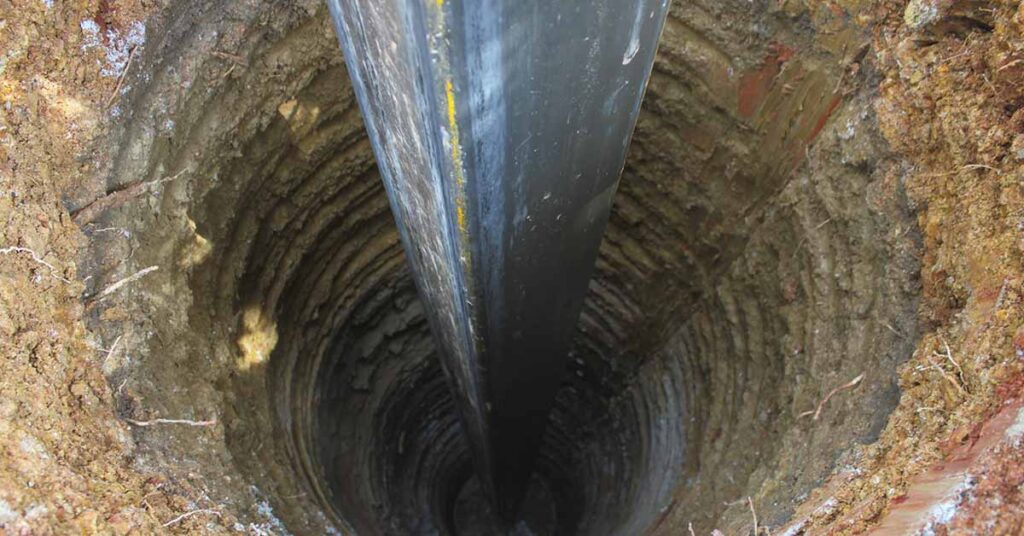
Quanyou Liu, a prominent figure from Peking University in China, offers an even more intriguing possibility. According to Liu, the drilling might extend its reach far back in time to the Cambrian period, spanning from 541 to 485 million years ago. In the Tarim Basin, the team hopes to uncover oil reserves that have remained hidden for eons. Liu emphasizes that the primary purpose of this extensive drilling operation is “to discover whether there is still the occurrence of oil and gas in the ultra-deep depths.”
This emphasis on oil exploration aligns with the leadership of the project by China’s National Petroleum Corp, a clear indication of its energy-related objectives. In addition to unearthing valuable energy resources, the project seeks to test and advance drilling technologies and contribute to our understanding of the Earth’s internal structure.
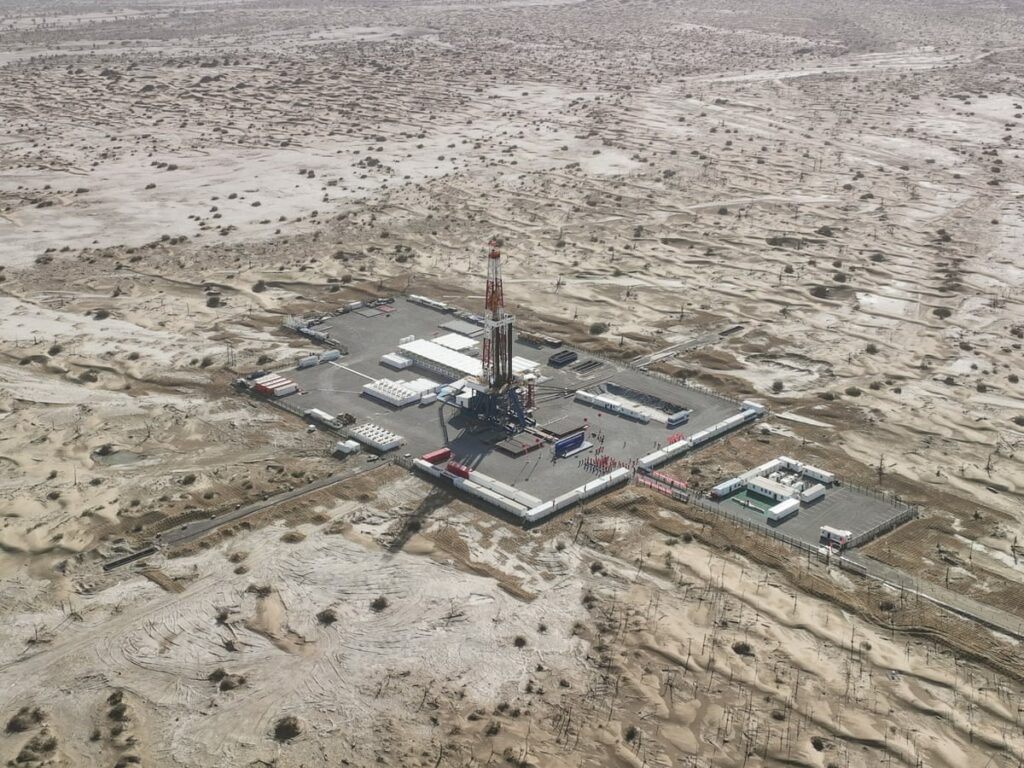
Despite the remarkable depth of the hole, it’s essential to note that this achievement will not secure the title of the deepest human-made hole on Earth. That distinction belongs to the Kola Superdeep Borehole, situated on the Kola Peninsula in northwestern Russia, which reached a remarkable depth of 11,034 meters (36,201 feet) below sea level during its operations from 1970 until the collapse of the Soviet Union.
The Kola Superdeep Borehole brought some astonishing geological revelations. It uncovered that the Earth’s subterranean rocks were far wetter than initially anticipated. Moreover, it debunked the assumption that a layer of basalt would be found beneath the continent’s granite, revealing metamorphic granite instead. This discovery provided crucial evidence in support of plate tectonics, a concept that was still gaining acceptance at the time the borehole was initiated.
Undoubtedly, drilling deep into the Earth is a complex and challenging endeavor, often riddled with obstacles. As seen in the 1960s, an American team attempted to bore 183 meters (600 feet) beneath the seafloor, drilling through 13 meters (43 feet) of basalt in the uppermost layer of the oceanic crust before financial difficulties and mismanagement led to the project’s cancellation.
In the words of Sun Jinsheng, an academic at the Chinese Academy of Engineering, “The construction difficulty of the drilling project can be compared to a big truck driving on two thin steel cables.” This vivid analogy underscores the monumental challenges that lie ahead for China’s latest drilling venture.
While the current drilling project is undoubtedly exciting, it’s essential to temper expectations. The Earth’s crust, especially on land, varies significantly in thickness, averaging around 30 kilometers (19 miles) but reaching up to 100 kilometers (62 miles) under mountain ranges. To access the Earth’s mantle, where tantalizing geological mysteries reside, we are still a considerable distance away from “tasting the forbidden goo,” as mantle enthusiasts might describe it.
Leave a Reply