• Skip to main content
  • Skip to primary sidebar
  • Skip to footer
  • Home
  • About Us
  • Copyright Report
  • Submit Content
  • Terms
  • Privacy Policy
  • Legal Disclaimer

Hasan Jasim

Hasan Jasim is a place where you may get entertainment, viral videos, trending material, and breaking news. For a social generation, we are the largest community on the planet.

Ad example

For Hundreds Of Years The Vatican Has Classed Capybara As A Fish

by Stephen King Leave a Comment

ShareTweet

For hundreds of years, the Vatican has classed capybaras as fish, a decision that has fascinated many people. Despite their appearance, these giant, hairy creatures are not fish, but rather rodents belonging to the cavy family. So, how did capybaras get classified as fish, and what is the reason behind it?

The answer lies in the history of Lent, a period commemorating when Jesus spent 40 days in the desert, according to the Bible. During the middle ages, eating the meat of certain animals was not allowed during Lent. The rule, however, was not about mammals and birds versus fish, but about land versus water. Therefore, aquatic animals, such as fish, could be eaten during Lent, while land animals could not.
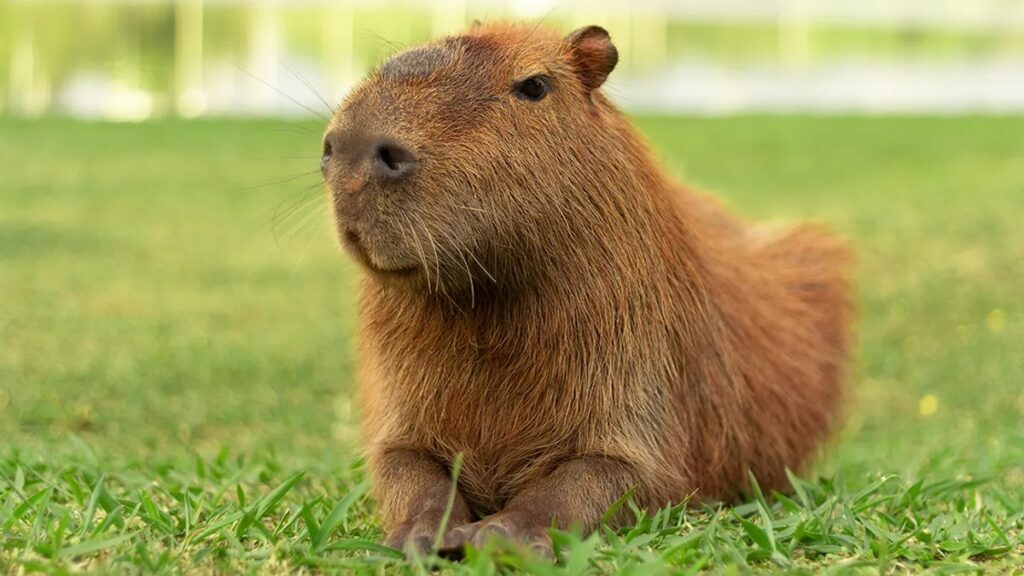
“That’s a fish right there, for sure” – The Vatican. Image credit: Steph Mattioli/Shutterstock.com

After the colonization of the Americas by European settlers, clergymen in Venezuela faced a dilemma. They had discovered a new creature that had webbed feet and tasted fishy, but it was not a fish. They wrote to the Vatican to ask if this new animal could be classified as a fish, so that they could continue to eat it during Lent. The Vatican granted their request in 1784, and the capybara was given the status of fish.

The decision of the Vatican to classify capybaras as fish was not for their protection, unlike when California declared bees as fish last year. Instead, it was a rule-bending decision to allow Christians to eat the meat of this animal during Lent. This classification was a relief for the people of Venezuela, who had grown to love the taste of capybara meat, and didn’t want to give it up during Lent.
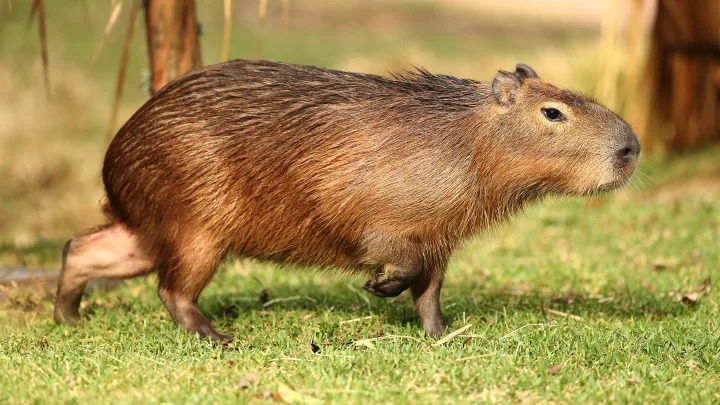
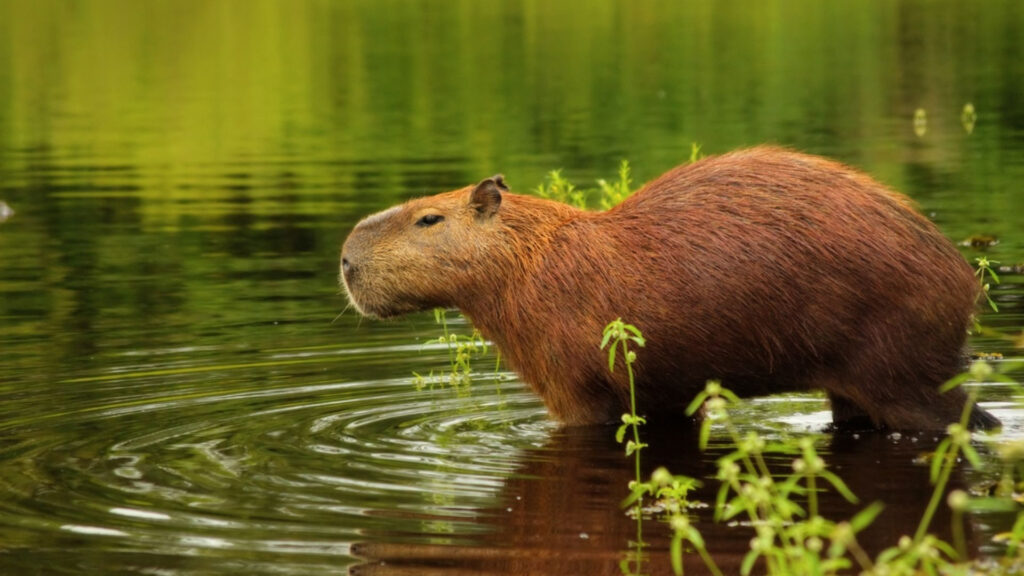
Despite their classification as fish, capybaras are very much not fish. They are the world’s largest rodents and are native to South America. They have a fascinating physiology that makes them excellent swimmers. They can hold their breath underwater for around five minutes, and often take naps in water or along riverbanks to stay cool. Their webbed feet and streamlined facial features help them swim quickly away from potential predators underwater.

The classification of capybaras as fish is not unique. Beavers also fall into the category of “things that aren’t fish which the Vatican calls fish,” and they can be eaten all year round by Catholics. This decision has led to many discussions and debates, with some people finding it strange that these animals are classified as fish.
In conclusion, the classification of capybaras as fish is a fascinating example of how rules can be bent to accommodate cultural and religious practices. While it may seem strange to classify a rodent as a fish, it was a decision made hundreds of years ago to allow Christians to eat the meat of certain animals during Lent. Today, the capybara remains an interesting and unique animal, and its classification as a fish only adds to its charm.

https://youtu.be/1IbvDAT4qBE
Facebook Comments Box

Filed Under: Trends Worldwide Tagged With: capybara, classed, fish, hundreds, trends, vatican, worldwide, years

Reader Interactions

Leave a Reply Cancel reply

Your email address will not be published. Required fields are marked *

Primary Sidebar

More to See

Video: police officers save baby deer trapped in soccer net

By Stephen King

When Hailstorms and Sunroofs Collide: A Look at the Dangers and Precautions

By Stephen King

These Hikers Quickly Regretted Their Choice To Follow A Mountain Lion

By Stephen King

A Woman is Shocked to Witness The Disappearance Of a Little Dog

By Stephen King

The Rescue Dog Won’t Let Go Of The Pig Toy She Thinks Is Her Baby

By Stephen King

Futurist Predicts Humans Will Achieve Immortality By 2030

By Stephen King

Discovering the Marvels of Mount Nemrut: Exploring the Ancient History of Southeastern Turkey

By Stephen King

Footer

Home and Garden: Timeless Beauty and Smart Investment

Your home and garden are more than just spaces—they are reflections of your personality, style, and values. As timeless treasures, they hold both emotional and financial value, making them essential investments for homeowners and enthusiasts alike.

Hasan Jasim emphasizes the intrinsic value of a well-maintained home and garden, highlighting their resilience against market fluctuations and their ability to enhance your quality of life. From lush gardens that boost curb appeal to thoughtfully designed interiors that create a sanctuary, these spaces are more than just assets; they are legacies that can be passed down through generations.

Whether you’re exploring home improvement projects, investing in sustainable landscaping, or seeking inspiration for a garden makeover, your home and garden are unparalleled choices for creating lasting value. Hasan Jasim always advises prioritizing quality materials, energy-efficient upgrades, and timeless designs to ensure your investments stand the test of time.

Unveil elegance in your home and garden—where beauty meets investment!

Recent

  • Human skull found in David Attenborough’s garden helped end a 131-year-old murder case
  • Why Your Cat Headbutts You — And What It Really Means
  • Why People Who Let Their Hair Go Gray Often Make Others Uncomfortable
  • Baby poops in his diaper – and the family dog’s reaction is unbeatable
  • Heartbreaking detail about Alex Pretti’s dog emerges after the Minneapolis shooting
  • Why Mosquitoes Always Choose You: The Science Behind Their Preference
  • Muskingum River’s Ancient Resident: A Possible State Record Mudpuppy

Search

Copyright © 2026 · Magazine Pro on Genesis Framework · WordPress · Log in