One might assume that after centuries of dissecting and exploring the human body, we have unraveled every anatomical secret hidden within us. However, as science continues to advance, so does our understanding of the intricacies of the human body. In 2018, researchers uncovered the existence of a previously unknown organ – a complex network of interconnected fluid-filled sacs called the interstitium. Now, scientists have stumbled upon yet another novel organ within the human head, revealing that our anatomical map is still far from complete.
This remarkable discovery took place when a team of oncologists at the Netherlands Cancer Institute was conducting research into head and neck cancer. They utilized a novel imaging technique known as positron emission tomography/computed tomography with prostate-specific membrane antigen ligands (PSMA PET/CT) scans, initially designed to track the spread of prostate cancer within the body. The procedure involves injecting patients with radioactive glucose, causing tumors to emit a distinct glow during the scan.
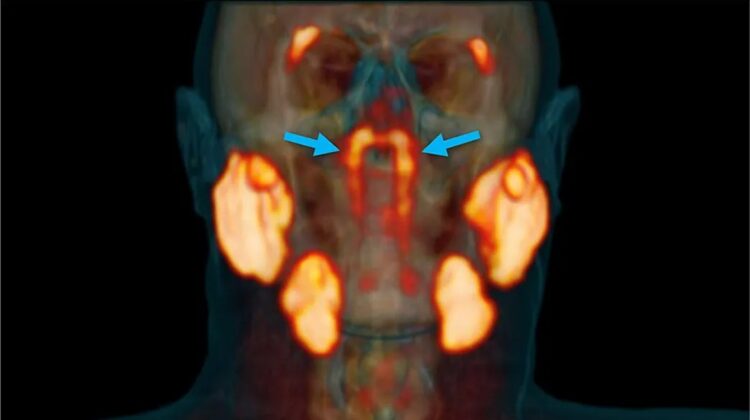
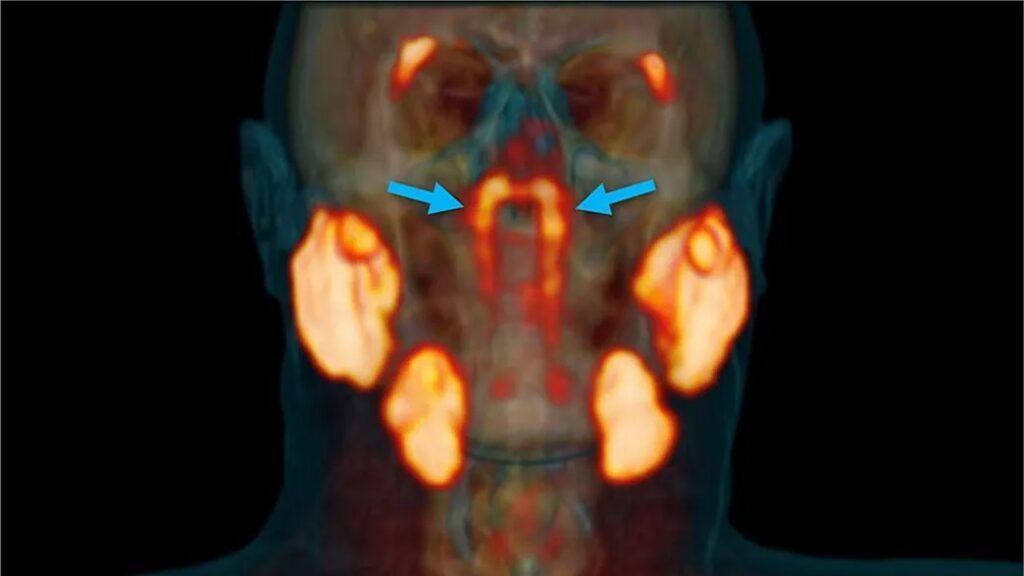
However, during these scans, something unexpected occurred. Two areas within the head consistently illuminated, drawing the researchers’ attention. As they expanded their study to include 100 individuals, all of them exhibited the same bright spots. It was no fluke – they had discovered a potentially new organ.
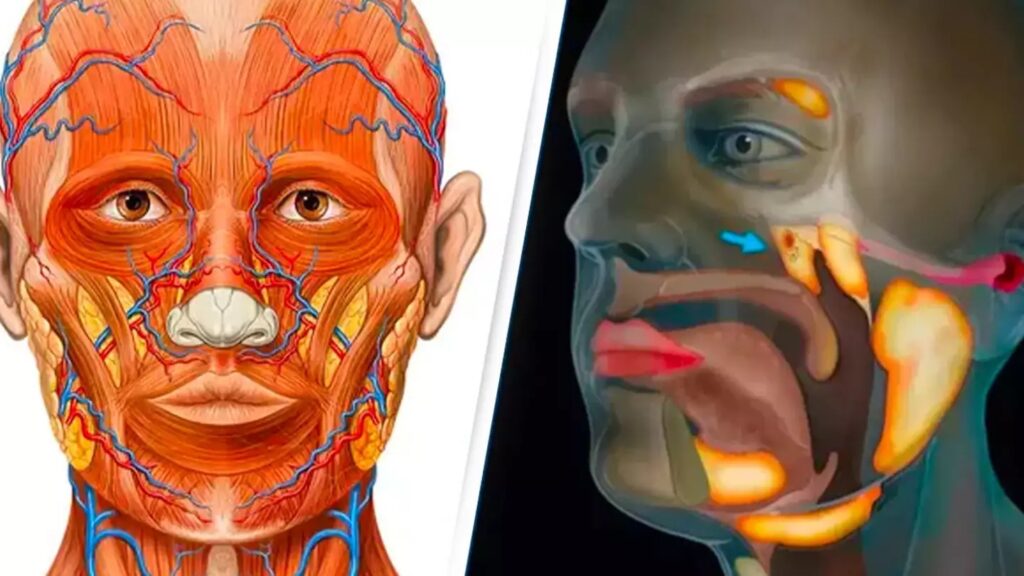
This groundbreaking revelation, detailed in the journal Radiotherapy and Oncology, discloses the presence of a set of salivary glands situated in the rear of the nasopharynx. These glands, mainly composed of mucous glands with numerous draining ducts, have been dubbed “tubarial glands,” a name inspired by their location.
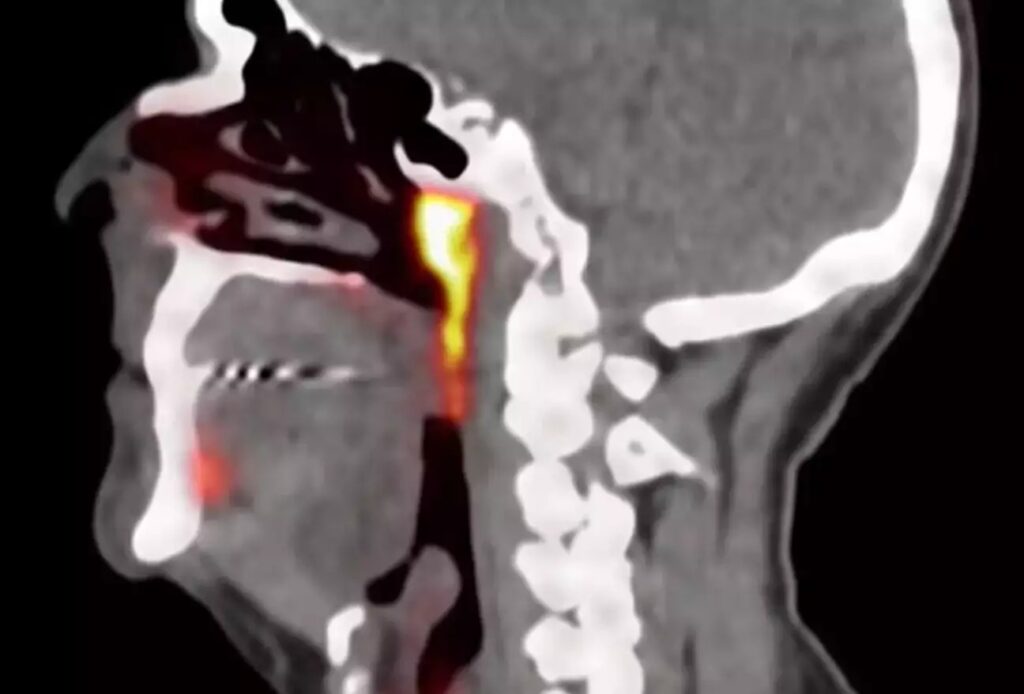
Traditionally, it was believed that the nasopharynx contained only microscopically small salivary or mucous glands, dispersed widely across the mucosal tissue. The newfound tubarial glands, unlike these tiny counterparts, represent a significantly larger and distinct anatomical feature.
The significance of this discovery extends beyond mere scientific curiosity. The newfound glands may have implications for patients undergoing radiation therapy in the head and neck region. Radiation treatment can inadvertently harm the salivary glands, leading to complications such as dysphagia (difficulty swallowing), which can significantly affect a patient’s quality of life.
Wouter Vogel, a study author and radiation oncologist, noted the potential benefit of this newfound knowledge for patients. “For most patients, it should technically be possible to avoid delivering radiation to this newly discovered location of the salivary gland system in the same way we try to spare known glands,” Vogel explained.
The research team assessed 723 patients who had received radiation therapy in the area containing the tubarial glands. Their findings indicated that the more radiation administered to this region, the greater the post-treatment complications experienced by patients. This newfound understanding of the tubarial glands could lead to more precise radiation treatment strategies, ultimately reducing side effects and improving the overall quality of life for patients undergoing head and neck cancer therapy.
The accidental discovery of the tubarial glands serves as a testament to the ever-evolving nature of scientific exploration. As we continue to delve deeper into the intricate workings of the human body, new revelations like these remind us that there are still countless secrets waiting to be uncovered within ourselves.
Leave a Reply