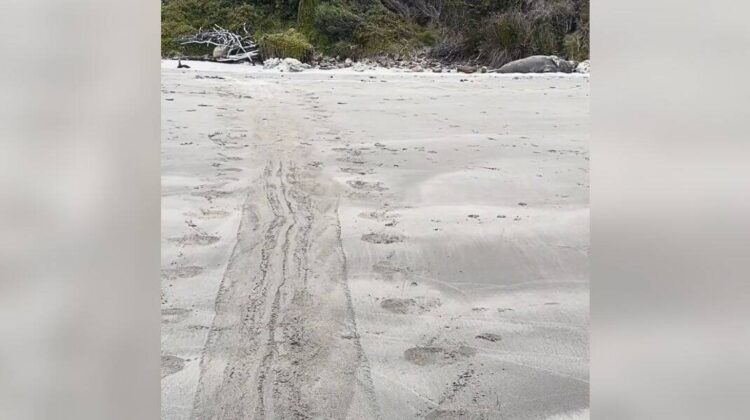
On a quiet beach in Tasmania, the sand told an unusual story before the animal itself was ever seen.
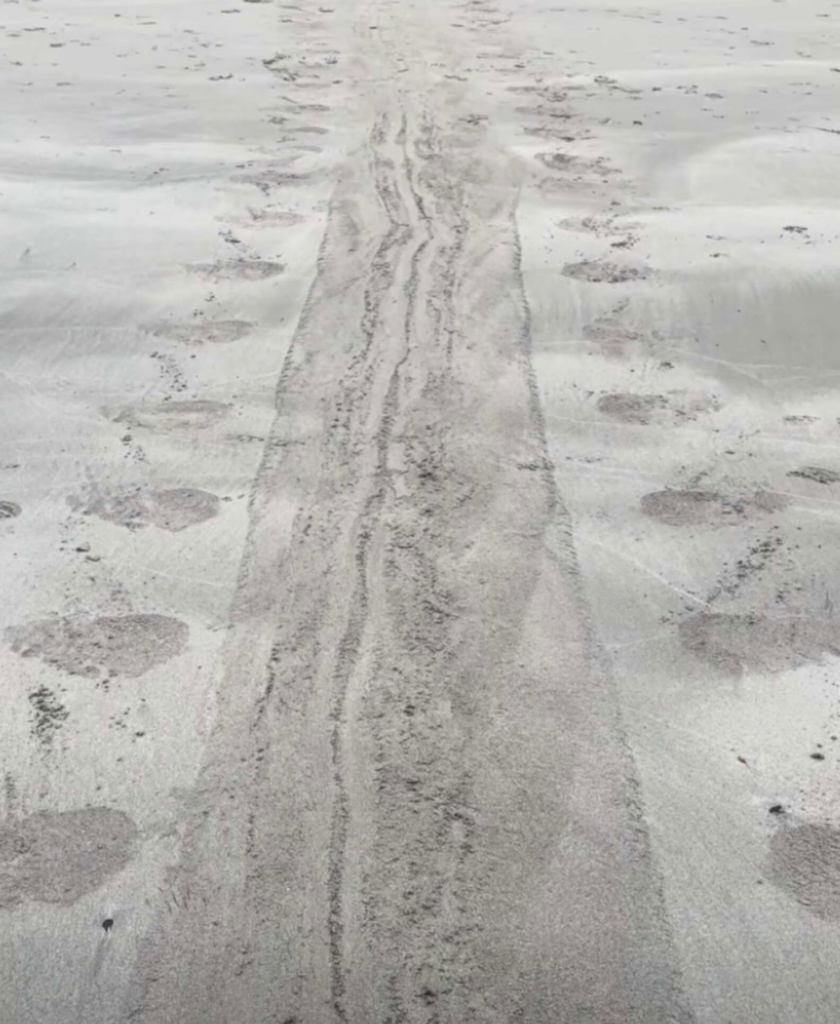
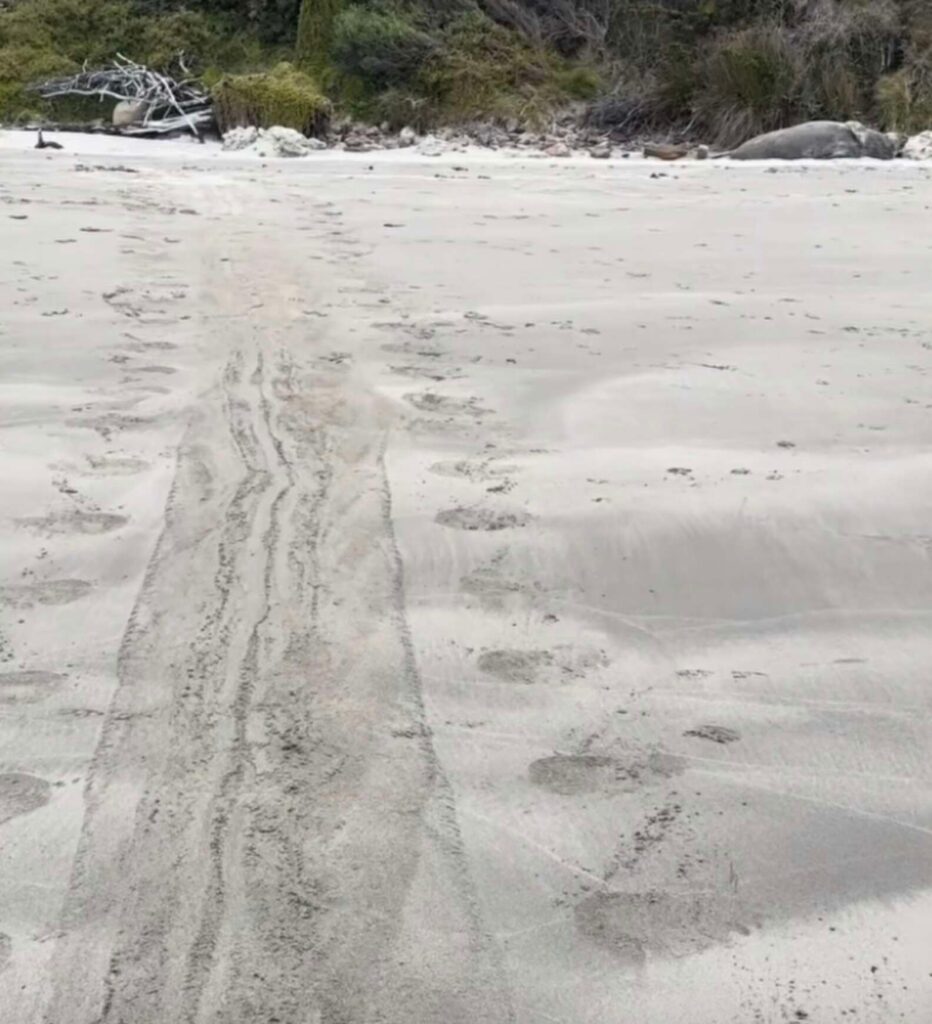
Earlier this week, a massive marine animal emerged from the ocean and slowly made its way across the shoreline toward a shaded sand dune. As it moved, it left behind a wide, rectangular trail marked by small, rounded impressions on each side — tracks unlike anything typically seen on the beach.
A beachgoer noticed the strange markings and followed them carefully inland. What they discovered at the end of the trail was both unexpected and breathtaking: a huge animal peacefully resting on the dune.
Understanding the importance of not disturbing wildlife, the beachgoer kept a safe distance and contacted Susie, a wildlife rehabilitator with Wildlife Safe Tasmania, who immediately responded.
A Rare Southern Elephant Seal Sighting
The animal was identified as a southern elephant seal, one of the largest seal species in the world, known for its impressive size and powerful vocalizations. According to Tasmania’s Department of Natural Resources and Environment, sightings of elephant seals in the region are rare, with only around 12 reported each year.
While unusual to encounter, resting on land is completely normal behavior for these animals.
“Elephant seals spend months at sea and can swim thousands of kilometres during their foraging journeys,” Wildlife Safe Tasmania explained in a Facebook post. “Hauling out on land allows them to warm up, recover, and reset before returning to the Southern Ocean.”
Observing From a Respectful Distance
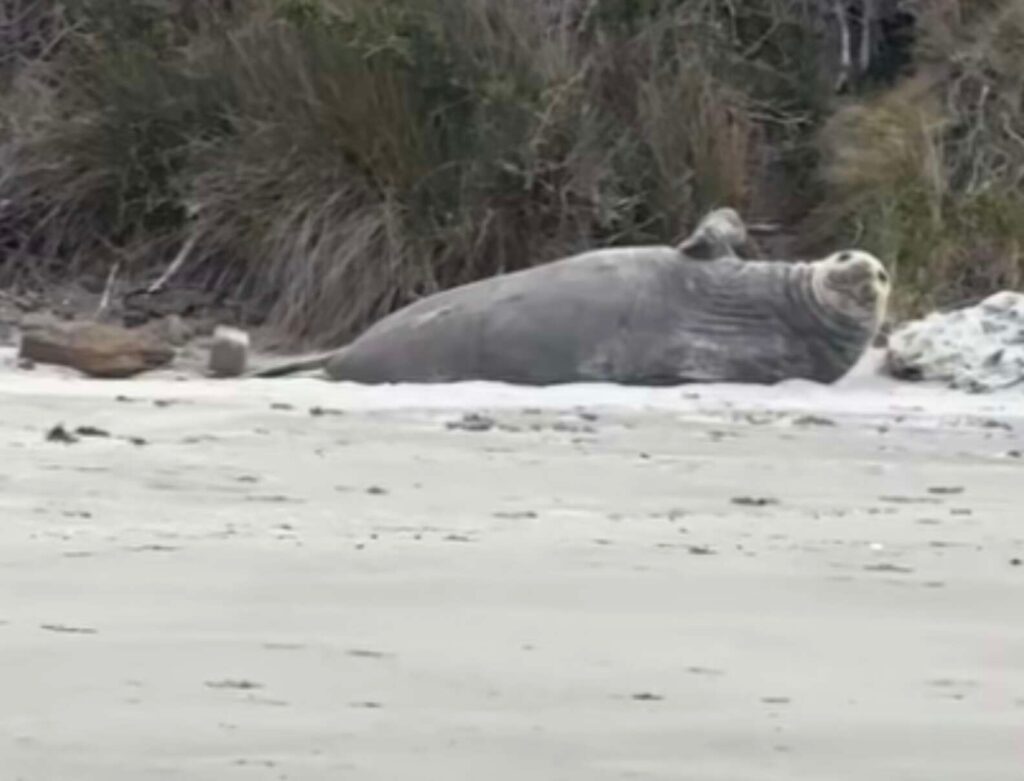
For Susie, the moment was unforgettable. She had encountered only a few elephant seals before and watched quietly as the animal rested undisturbed.
“He was mainly sleeping, taking deep, long breaths,” Susie told The Dodo. “He lifted his head a couple of times, looked at me with those huge eyes, opened his mouth for a big yawn, and then settled back down to sleep.”
After carefully assessing the situation, Susie confirmed that the seal was healthy and simply resting. She ensured the path back to the ocean remained clear, kept human interference to a minimum, and left the animal in peace.
“It was incredible to witness,” she said. “I feel very privileged to have been able to photograph him.”
Why Encounters Like This Matter
Moments like this highlight the importance of public awareness and responsible wildlife behavior. Recognizing when an animal needs space — and knowing who to call — can make the difference between stress and safety for vulnerable species.
As coastal environments increasingly overlap with human activity, understanding marine wildlife behavior is essential to conservation efforts and long-term ecosystem balance.
Supporting Wildlife Protection and Coastal Conservation
Encounters with rare marine animals also draw attention to broader environmental responsibilities. Protecting coastlines, supporting wildlife rehabilitation programs, and promoting sustainable tourism all play a role in preserving fragile ecosystems.
For readers interested in eco-friendly travel, coastal property management, environmental insurance, or wildlife conservation initiatives, supporting verified organizations like Wildlife Safe Tasmania helps ensure that future generations can continue to witness moments like this — responsibly and ethically.
A healthy environment isn’t just a natural treasure; it’s a long-term investment in biodiversity, climate resilience, and sustainable living.
Leave a Reply