
• Skip to main content
  • Skip to primary sidebar
  • Skip to footer
  • Home
  • About Us
  • Copyright Report
  • Submit Content
  • Terms
  • Privacy Policy
  • Legal Disclaimer

Hasan Jasim

Hasan Jasim is a place where you may get entertainment, viral videos, trending material, and breaking news. For a social generation, we are the largest community on the planet.

Fascinating history of the Mangbetu people who stretched their own skulls

by Hasan Jasim Editorial Team Leave a Comment

ShareTweet

Babies’ heads are known for being incredibly fragile, but rather than being extra sensitive with their youngsters, the Mangbetu people used this fragility in a unique way.

Central Africa’s Mangbetu people, located south of the Zande people in northeastern Congo, with the term “Mangbetu” specifically referring to the community’s aristocracy.
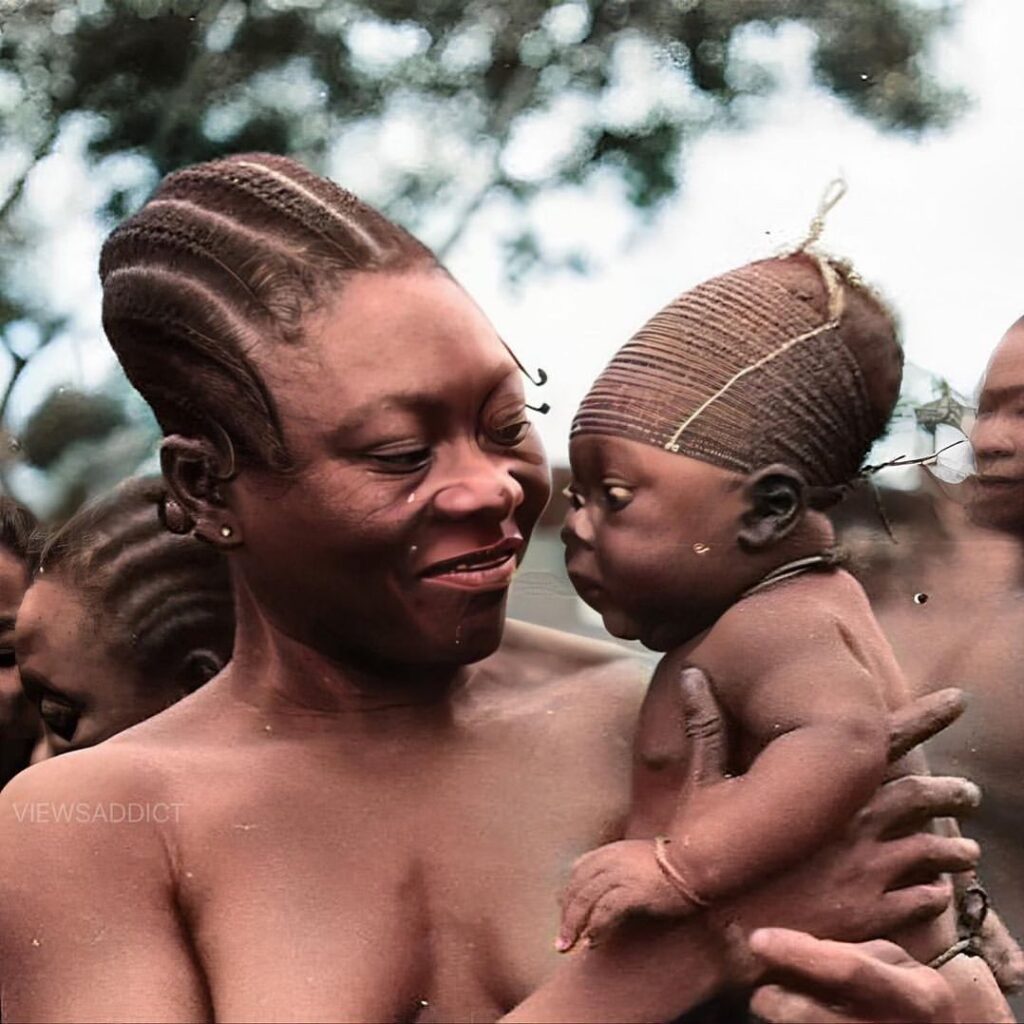
The Mangbetu established powerful kingdoms and impressed early travelers with some unusual customs.

According to Britannica, the Mangbetu showcased their political systems and skills as builders, potters, and sculptors to leave a lasting impression on visitors. But their efforts went beyond that.
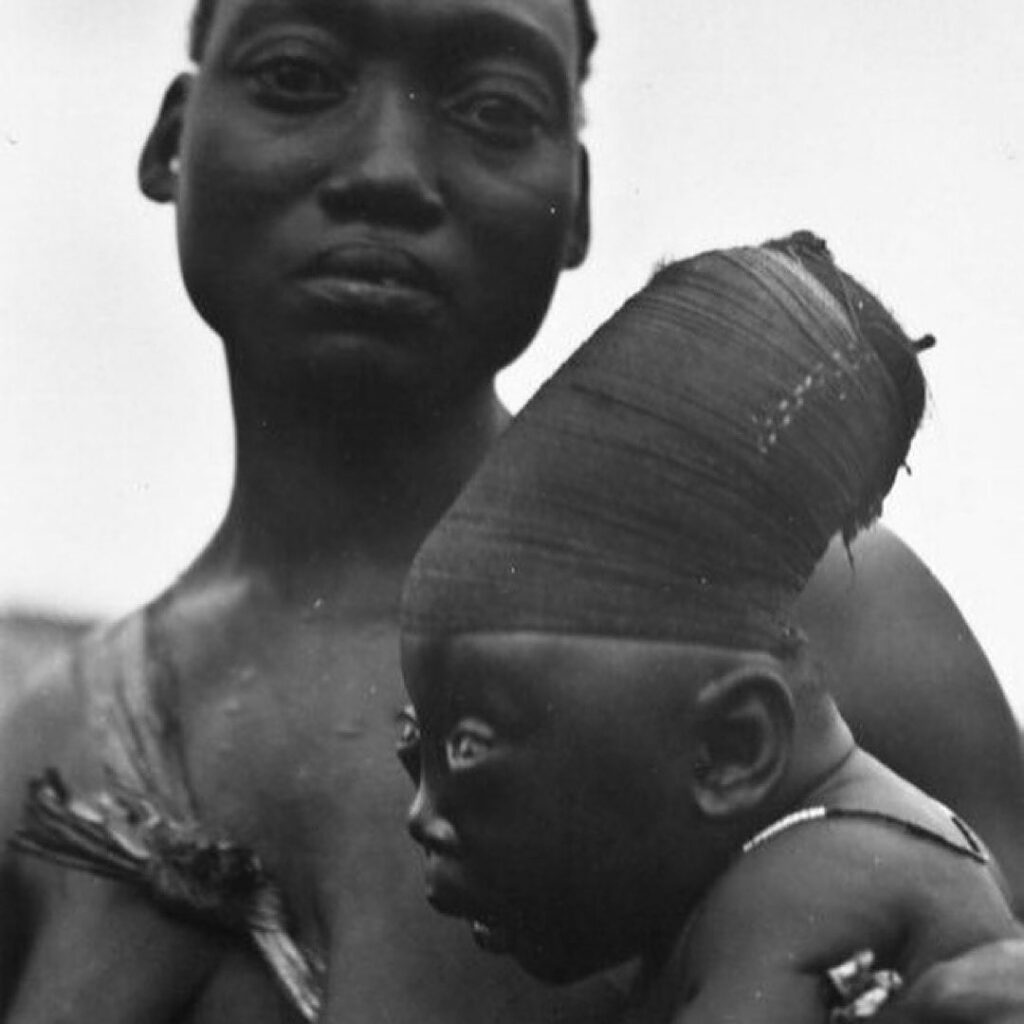
The people became renowned for their practice of intentionally elongating babies’ heads by tightly binding them. While unconventional, their efforts to stand out seemed successful. In 1870, German botanist Georg Schweinfurth became the first European to reach the Mangbetu, according to africa.si.edu.

Schweinfurth described the Mangbetu as aristocratic and elegant, noting their elongated heads with elaborate hairstyles, along with their court dances, royal architecture, and artistic endeavors.
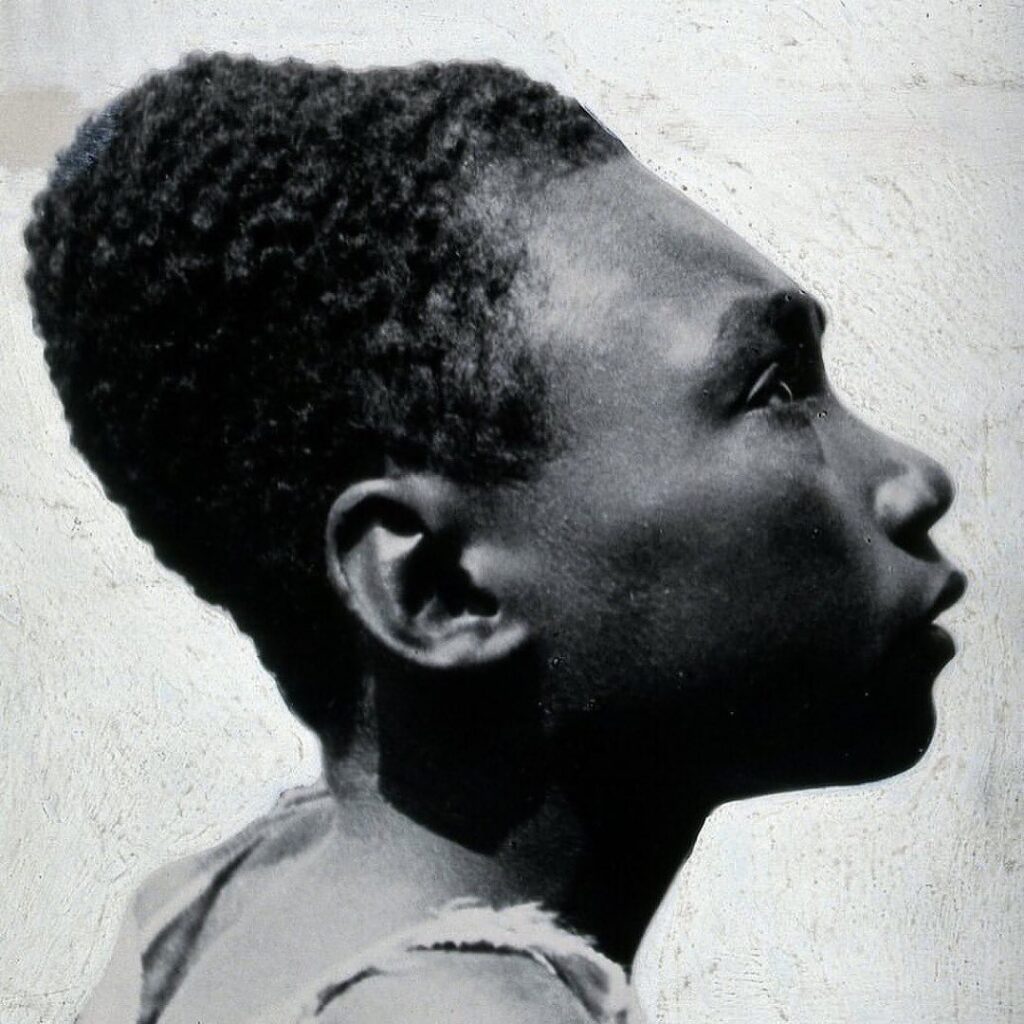
This culture intrigued Western photographers and filmmakers in the first half of the 20th century. Interestingly, the Mangbetu were not alone in practicing cranial deformation.

Scientists have found evidence of this practice among Australian Aborigines dating back 30,000 years, as well as among the Maya, Inca, and ancient Chinese communities. In Europe, tribes originating from the Caucasus region of Central Asia, like the Sarmatians, also practiced cranial deformation.
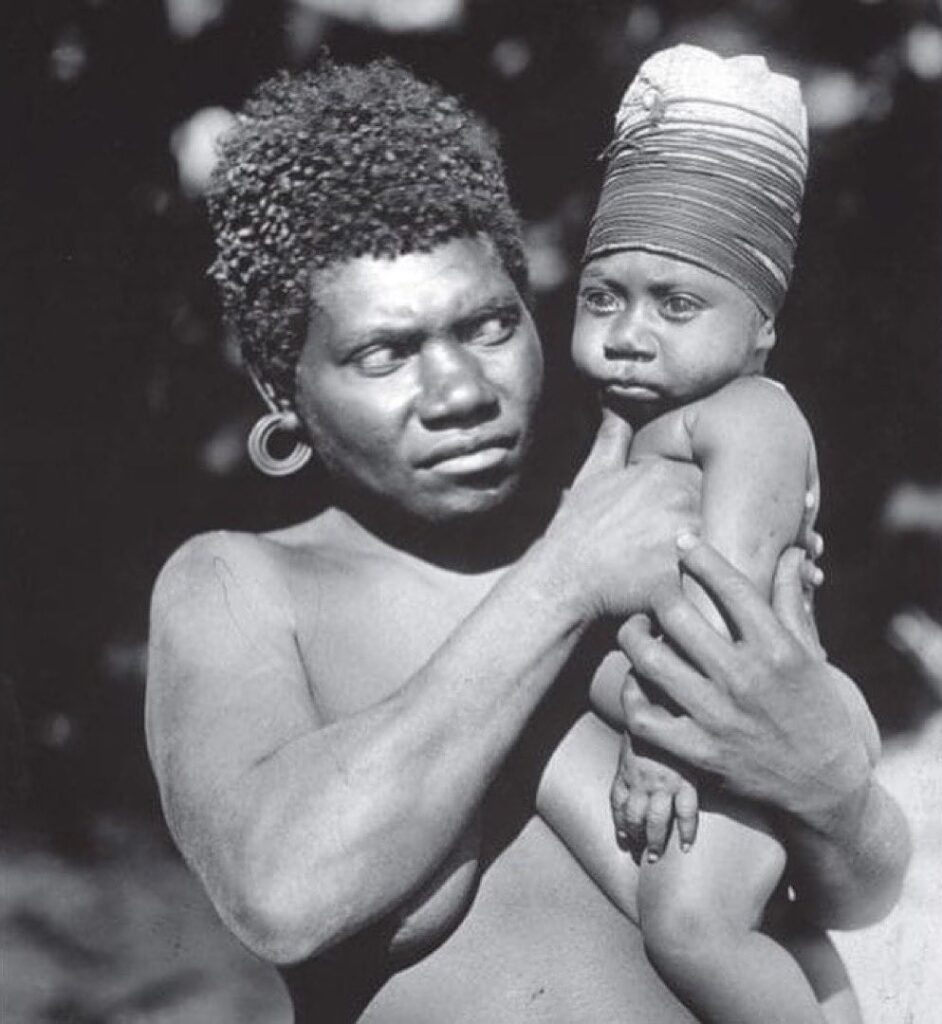
There are numerous reasons thought to be behind the practice, including the desire to stand out from others, create a sense of belonging, and project intelligence.

Gonzalo Fernandez de Oviedo, a Spanish chronicler of the Americas, quoted a Mayan person who explained, “This is done because our ancestors were told by the gods that if our heads were thus formed we should appear noble.”
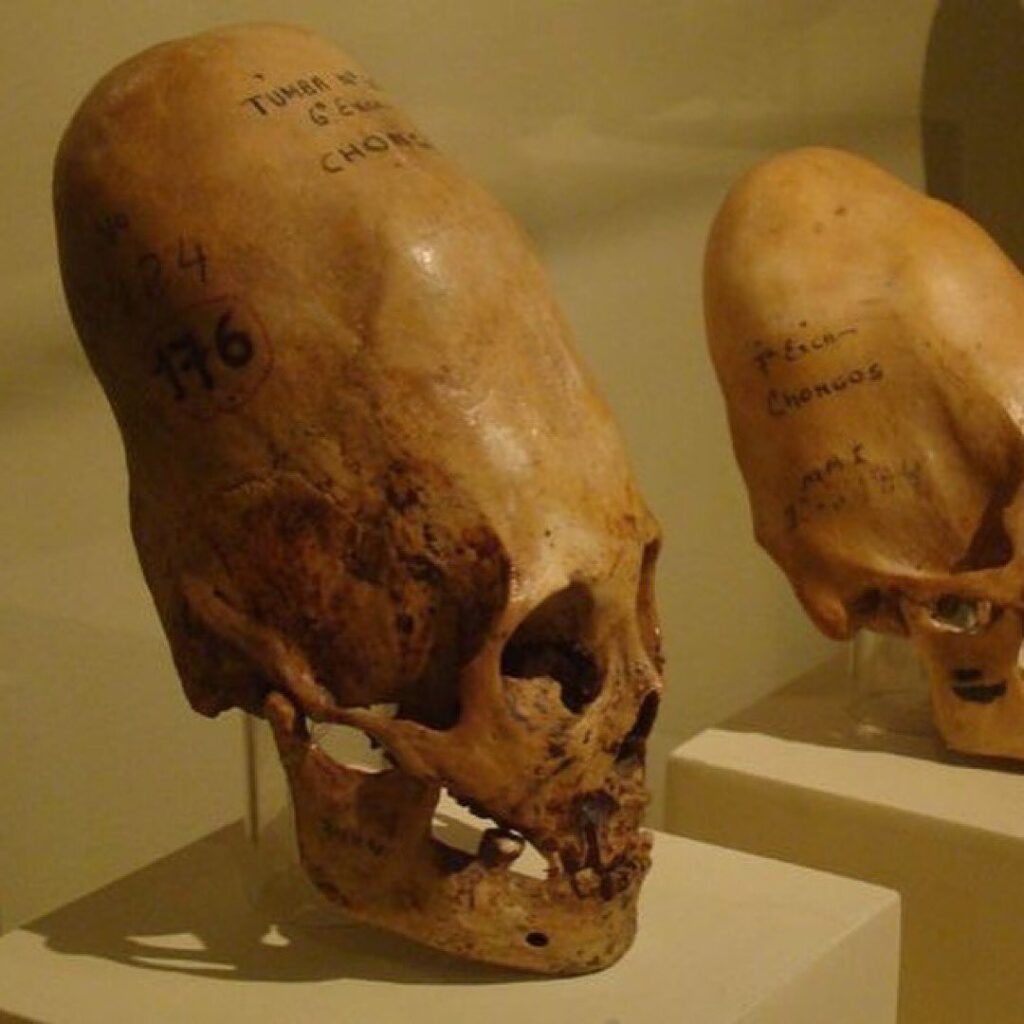
Following discoveries about cranial deformation, researchers investigated its impacts. A 2007 paper published in the journal Neurosurgery concluded that “there does not seem to be any evidence of negative effect on the societies that have practiced even very severe forms of intentional cranial deformation.”

The practice is much less common today, but it hasn’t entirely disappeared and may still occur in some remote communities.

Filed Under: Trends Worldwide Tagged With: fascinating, History, mangbetu, people, skulls, stretched, their, trends, worldwide

Reader Interactions

Leave a Reply Cancel reply

Your email address will not be published. Required fields are marked *

Primary Sidebar

More to See

Bacteria On The ISS Have Mutated Into Something Not Seen On Earth Before

By Hasan Jasim Editorial Team

Zeus, the world’s tallest dog, has died following leg amputation surgery — rest in peace

By Hasan Jasim Editorial Team

Unbelievable Painting Looks Like Real Water: The Art of Photorealism

By Hasan Jasim Editorial Team

According to Reports, Chinese Officials are Investigating an Influencer After Fans Accused Her of Eating a Great White Shark in a Video

By Hasan Jasim Editorial Team

A Woman Finds Her Pet Chameleon Will Accept Anything She Is Given

By Hasan Jasim Editorial Team

Doctors reveal that eating cucumber in salads causes…

By Hasan Jasim Editorial Team

Giant Oceanic Manta Rays Can Reach A Wingspan Of 30 Feet And Weigh More Than 6,000 Pounds

By Hasan Jasim Editorial Team

Footer

ABOUT HASANJASIM.ONLINE

Hasanjasim.online is a digital platform dedicated to publishing well-researched articles about the animal kingdom, nature, and the environment. Our editorial team works to source stories from credible outlets, scientific research, and verified reports, aiming to inform as much as we entertain. From wildlife conservation and animal behavior to natural wonders and environmental science, we cover the topics that help readers better understand and appreciate the natural world. Whether you're a lifelong nature lover or simply curious about the planet we share, Hasanjasim.online aims to be a trustworthy destination for stories worth reading — and worth citing.

Recent

  • Scientists Deliver Their “Starkest Warning Yet” on the Profound Changes Sweeping the World’s Oceans
  • Switzerland’s Glaciers Lost 2.2 Trillion Liters of Water in Just Three Months
  • Creature who looked like a ‘pile of rags’ makes stunning transformation
  • I know this sounds made up — off the coast of Canada, there are reefs made of glass
  • A 1-In-100-Million ‘Ghost’ Lobster Just Joined A Maine University’s Genetics Study
  • This 14-Year-Old Photographer Chased A Hummingbird For Years — Then Got The Shot In A Split Second
  • A 700-Pound Sea Lion Was Found Shot At Least A Dozen Times In A Seattle River — And Investigators Still Don’t Know Why

Search