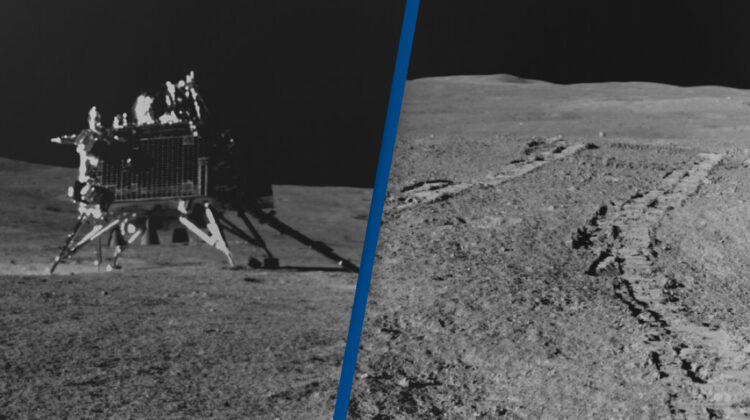
A few weeks ago, a historic moment unfolded in the world of space exploration as India achieved a remarkable milestone. The Chandrayaan-3 lander and rover successfully made their descent to the lunar surface, propelling India into an elite group of nations that have achieved successful lunar landings. Notably, this mission stands out as the first to touch down near the lunar south pole, opening up a treasure trove of scientific discoveries.
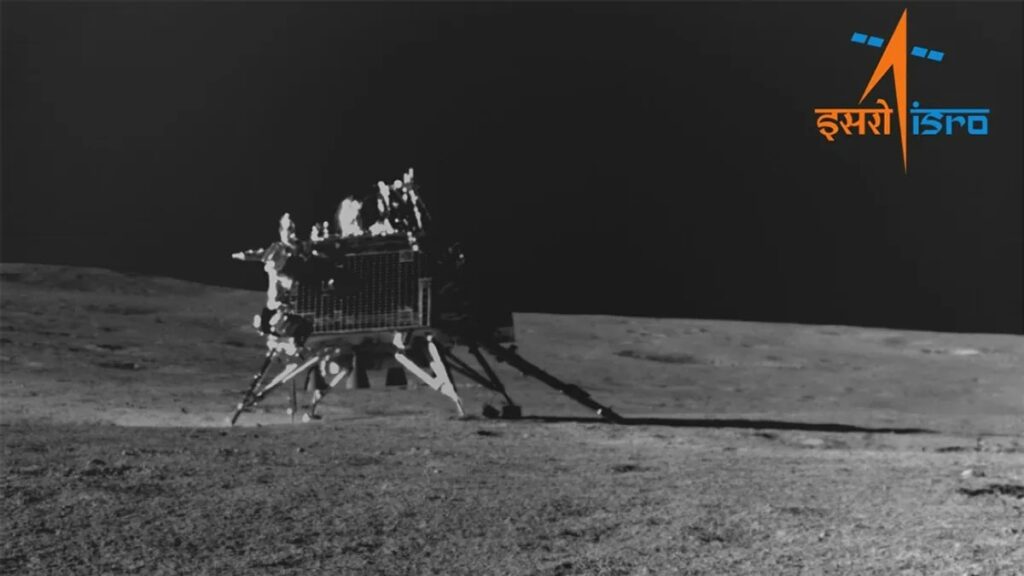
While the primary objective of the Chandrayaan-3 mission is to meticulously examine the composition of the lunar soil, it has already delivered an array of groundbreaking findings. The rover has detected a diverse range of elements on the lunar surface, including sulfur, aluminum, calcium, iron, chromium, titanium, manganese, silicon, and oxygen. These discoveries offer critical insights into the Moon’s geological history and potential resources.
Adding to its list of accomplishments, Chandrayaan-3 has also notched up a lunar first by measuring the temperature at the lunar south pole, shedding light on the Moon’s thermal characteristics. In a moment of celestial whimsy, the rover even managed to capture a selfie before taking a well-deserved break as it ventured into the lunar night.
While the rover’s analytical tools for studying soil composition and unearthing water ice grab the headlines, the unsung hero of this mission is the Vikram lander. Vikram played a pivotal role in safely delivering the rover to the Moon’s surface, and it continues to provide valuable insights.
One of Vikram’s key instruments is the Instrument for Lunar Seismic Activity (ILSA). This sophisticated device comprises a cluster of six high-sensitivity accelerometers, painstakingly crafted using the Silicon Micromachining process. The core sensing element consists of a spring-mass system with comb-structured electrodes. When external vibrations occur, they deflect the spring, resulting in a change in capacitance, which is then converted into voltage.
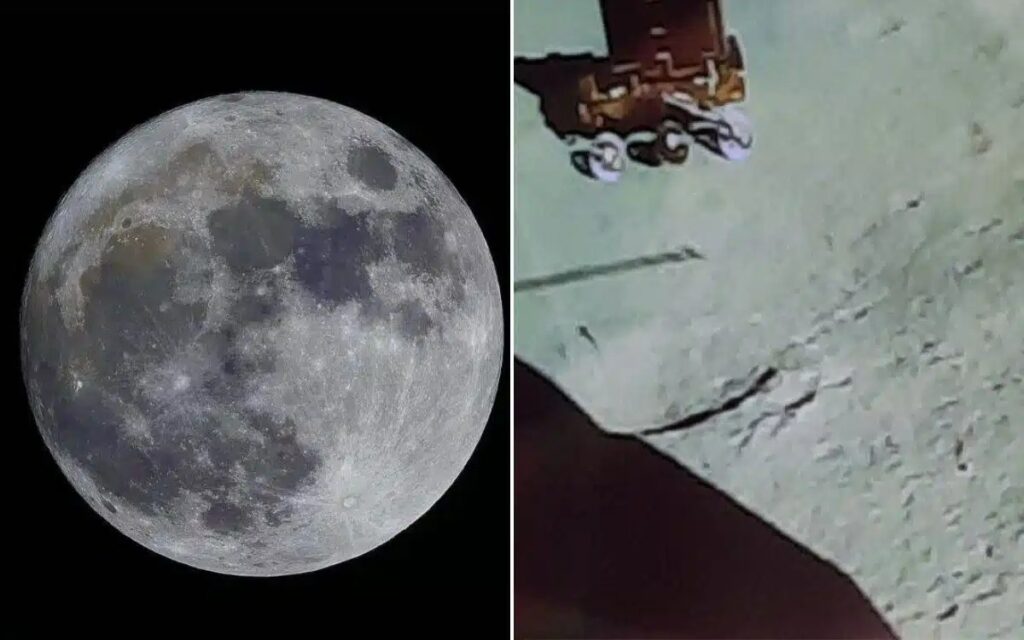
ILSA’s mission is to monitor lunar movements, whether caused by impacts, the rover’s activities, or natural moonquakes. On August 26, 2023, ILSA detected what appears to be a “seemingly natural” event on the Moon’s surface, a discovery that has set scientists on an intriguing investigation.
Historically, moonquakes have been detected through seismographs deployed during the US Apollo program, providing valuable insights into the Moon’s internal structure. Analysis of this data led to the proposition that the Moon possesses an inner core approximately 500 kilometers (310 miles) in diameter, with a significantly lower density compared to Earth’s core.
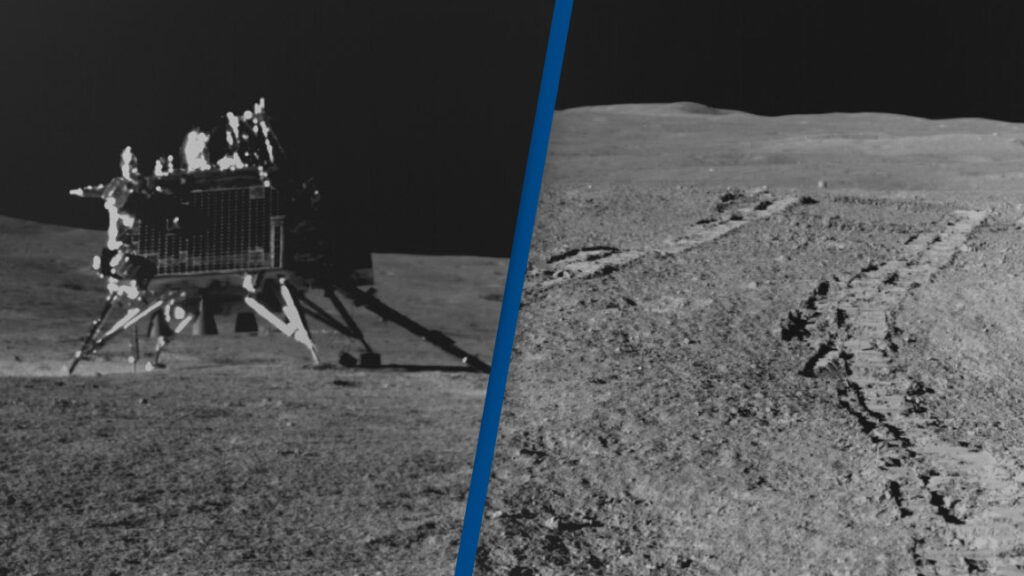
Unlike terrestrial earthquakes driven by tectonic plate movements, moonquakes are thought to be the result of solid tidal stresses caused by Earth’s gravitational pull. These stresses create fractures and friction within the Moon’s interior.
With the Apollo seismographs concluding their mission back in 1977, the Vikram lander emerges as a crucial player in unraveling the mysteries of moonquakes and their impact on the Moon’s composition and evolution. As the investigation into the “seemingly natural” event unfolds, we eagerly anticipate the wealth of knowledge Chandrayaan-3 will bring, further deepening our understanding of our celestial neighbor and the broader universe.
Leave a Reply