• Skip to main content
  • Skip to primary sidebar
  • Skip to footer
  • Home
  • About Us
  • Copyright Report
  • Submit Content
  • Terms
  • Privacy Policy
  • Legal Disclaimer

Hasan Jasim

Hasan Jasim is a place where you may get entertainment, viral videos, trending material, and breaking news. For a social generation, we are the largest community on the planet.

Keep Cats Inside For Their (And Others’) Own Good, Say Scientists

by Hasan Jasim Editorial Team Leave a Comment

ShareTweet

For cat owners, the age-old dilemma of whether to let their feline friends roam freely outdoors or keep them indoors has sparked passionate debates. However, a recent study, particularly relevant for those residing in Washington D.C., provides compelling reasons to consider the indoor option, and it goes beyond the typical arguments.
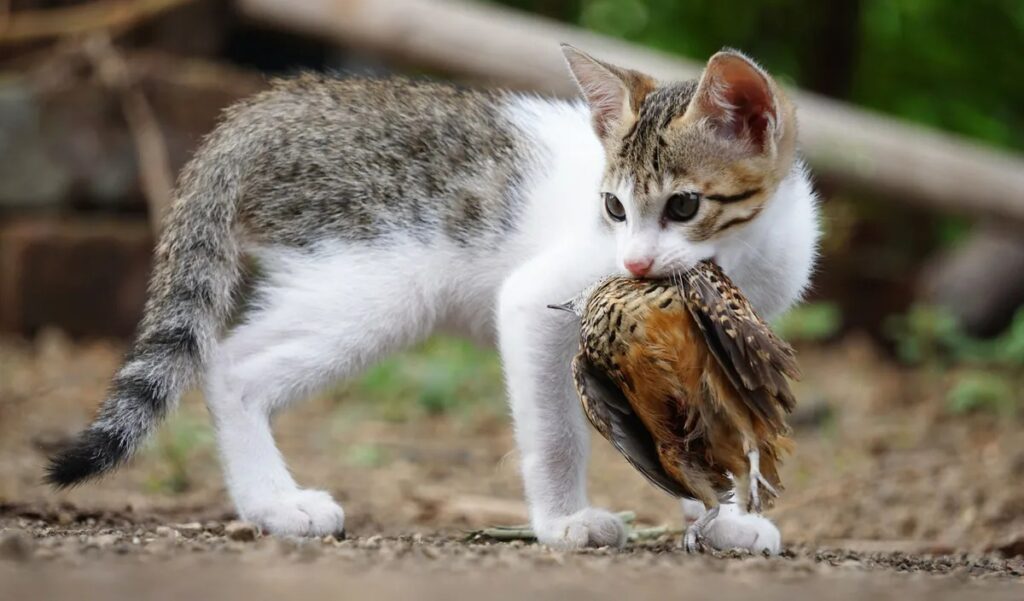
Who’s a cute little murder machine? You are! Image credit: RealityImages/Shutterstock

Daniel Herrera, lead author of the study and a Ph.D. student in the University of Maryland’s Department of Environmental Science and Technology (ENST), sheds light on a critical finding: the average domestic cat in Washington D.C. has a substantial probability of sharing space with raccoons (61 percent), red foxes (61 percent), and Virginia opossums (56 percent). These statistics raise concerns about the well-being of our beloved feline companions.

Raccoons, often perceived as charming “trash pandas,” play a concerning role as “America’s most prolific rabies vector,” as Herrera emphasizes. Red foxes and opossums are also potential carriers of rabies, posing a significant health risk to outdoor cats. Herrera warns, “By letting our cats outside, we are significantly jeopardizing their health.”
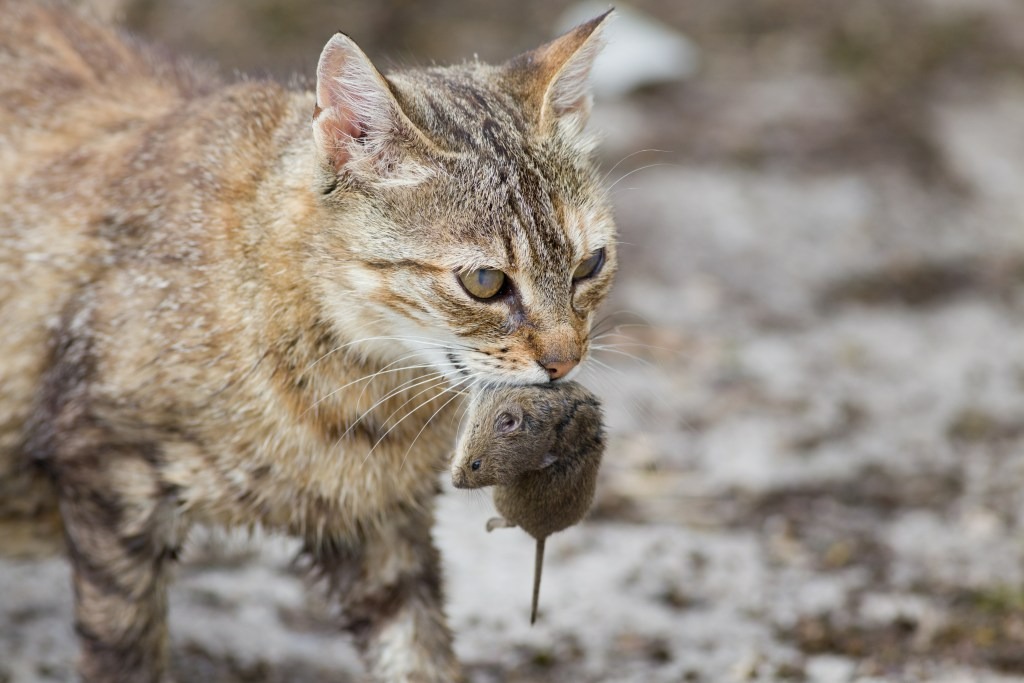
Beyond the health implications, the study addresses the commonly overlooked aspect of cats as hunters and their impact on local wildlife. While cats are often seen as effective pest controllers, the reality is more nuanced. Herrera dispels the misconception that cats primarily target non-native species like rats, stating, “Cats are keeping rats out of sight due to fear, but there really isn’t any evidence that they are controlling the non-native rodent population.” Instead, the concern lies in cats decimating native populations crucial to the local ecosystem.

Contrary to the idea that cats seamlessly integrate into the natural order as predators, the study suggests that human influence largely determines their distribution. Travis Gallo, assistant professor in ENST and Herrera’s advisor, emphasizes, “These habitat relationships suggest that the distribution of cats is largely driven by humans, rather than natural factors.”
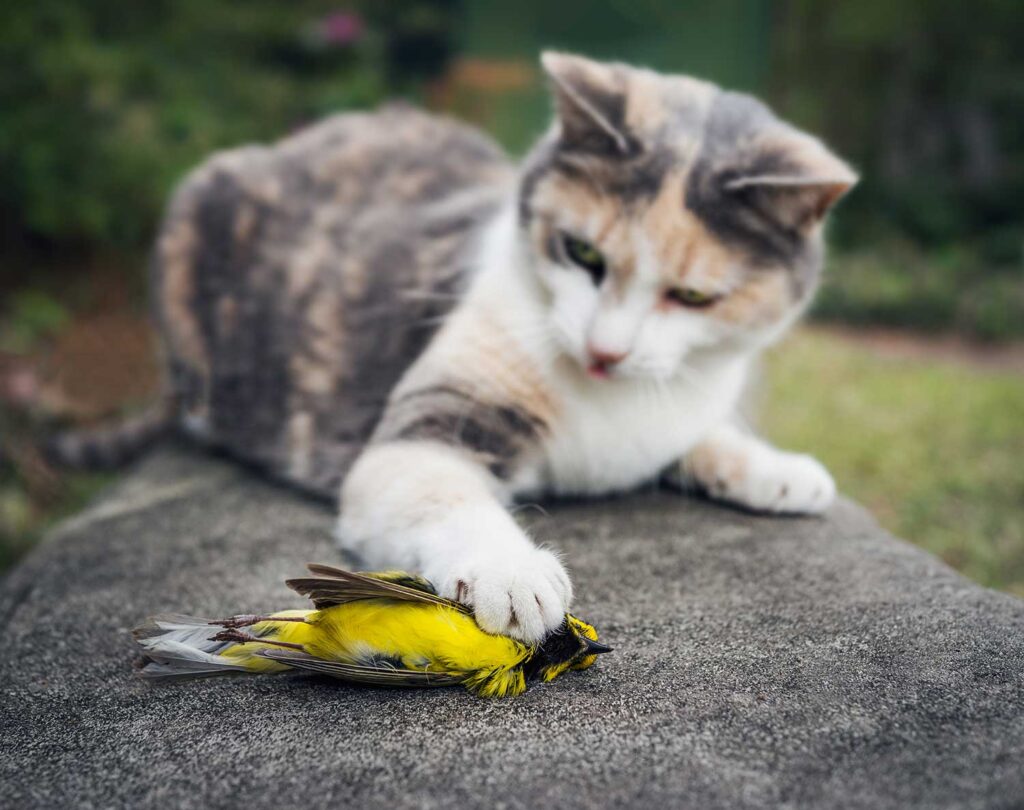
The solution, according to Herrera, is straightforward: keep cats indoors, particularly in environments where they are likely to interact with native wildlife populations. This recommendation extends beyond preserving local wildlife; it aligns with safeguarding the health and happiness of our feline companions. As the study underscores, the decision to keep cats indoors is a proactive measure that acknowledges the impact of human choices on the delicate balance of urban ecosystems.

Filed Under: Trends Worldwide Tagged With: (and, cats, good, inside, keep, others, Scientists, their, trends, worldwide

Reader Interactions

Leave a Reply Cancel reply

Your email address will not be published. Required fields are marked *

Primary Sidebar

More to See

Giant 30-Foot Wild Snakes Die While Attempting to Flee Indonesian Forest Fires

By Hasan Jasim Editorial Team

What Is the Lascaux Cave All About? Learn About The Amazing Paleolithic Paintings That Can Be Seen At This Site

By Hasan Jasim Editorial Team

Confirmed: Around 40 Circular Structures Stretching Under Lake Michigan

By Hasan Jasim Editorial Team

Meet The Stunning, One-Of-A-Kind Chocolate-Brown Siberian Husky With Brilliant Blue Eyes

By Hasan Jasim Editorial Team

Are 285 tires the same as 33?

By Hasan Jasim Editorial Team

Discover the “Highway to Heaven” on Interstate Route 80 (I-80) – America’s Most Scenic and Challenging Road

By Hasan Jasim Editorial Team

The Most Expensive Pet Fish Available Is Worth $300,000

By Hasan Jasim Editorial Team

Footer

ABOUT HASANJASIM.ONLINE

Hasanjasim.online is a digital platform dedicated to publishing well-researched articles about the animal kingdom, nature, and the environment. Our editorial team works to source stories from credible outlets, scientific research, and verified reports, aiming to inform as much as we entertain. From wildlife conservation and animal behavior to natural wonders and environmental science, we cover the topics that help readers better understand and appreciate the natural world. Whether you're a lifelong nature lover or simply curious about the planet we share, Hasanjasim.online aims to be a trustworthy destination for stories worth reading — and worth citing.

Recent

  • Euphorbia Hirta (“Asthma-Plant”): What Traditional Use and Real Research Actually Show
  • A Mystery Animal Has Been Randomly Attacking People in New Hampshire — Here’s What We Know
  • A Woman Was Filmed Sharing Her Ice Cream With Her Dog — Here’s What Vets Actually Say About It
  • Dolphin Calf Incident in Ceuta Sparks Outrage After Disturbing Beach Footage Emerges
  • Lactuca Serriola Root: Traditional Uses of Prickly Lettuce (Wild Lettuce) Root
  • The Puppy a Firefighter Couldn’t Leave Behind — and the Story Didn’t End There
  • A Mother Dog Dove Into Floodwater Again and Again — Until All 7 of Her Puppies Were Safe

Search