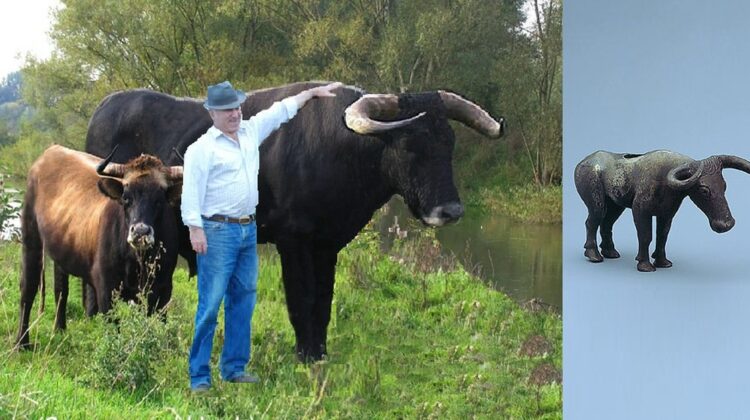
Embarking on a captivating quest to turn back the pages of time, scientists and conservationists are delving into the intricate realm of genetic technology and selective breeding, aiming to resurrect the aurochs (Bos primigenius), a majestic creature that once graced the grasslands and forests of Eurasia and North Africa. This ancient species, standing tall with a shoulder height of up to 180 cm (71 in) in bulls and 155 cm (61 in) in cows, adorned with massive elongated and broad horns reaching lengths of 80 cm (31 in), holds a storied place in the history of human civilization.
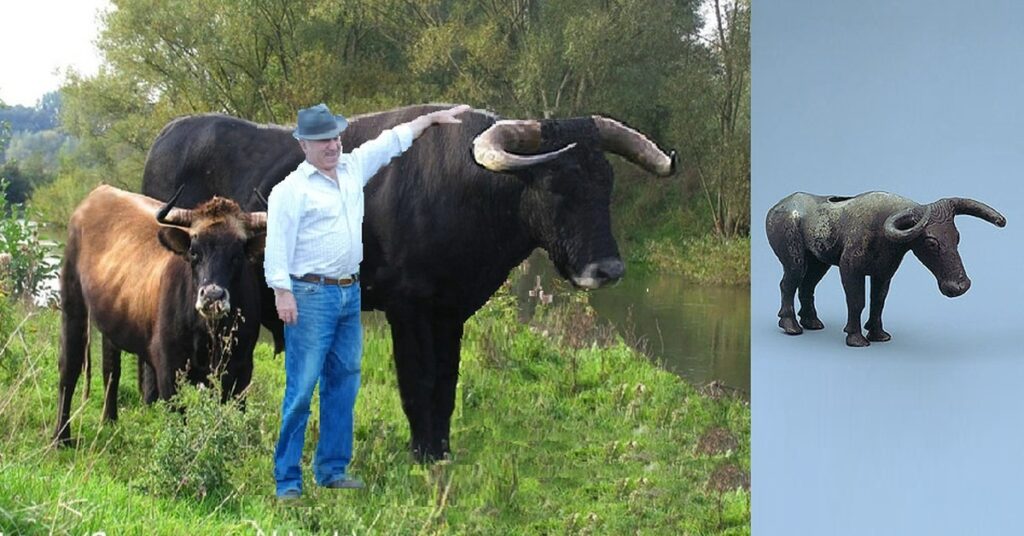
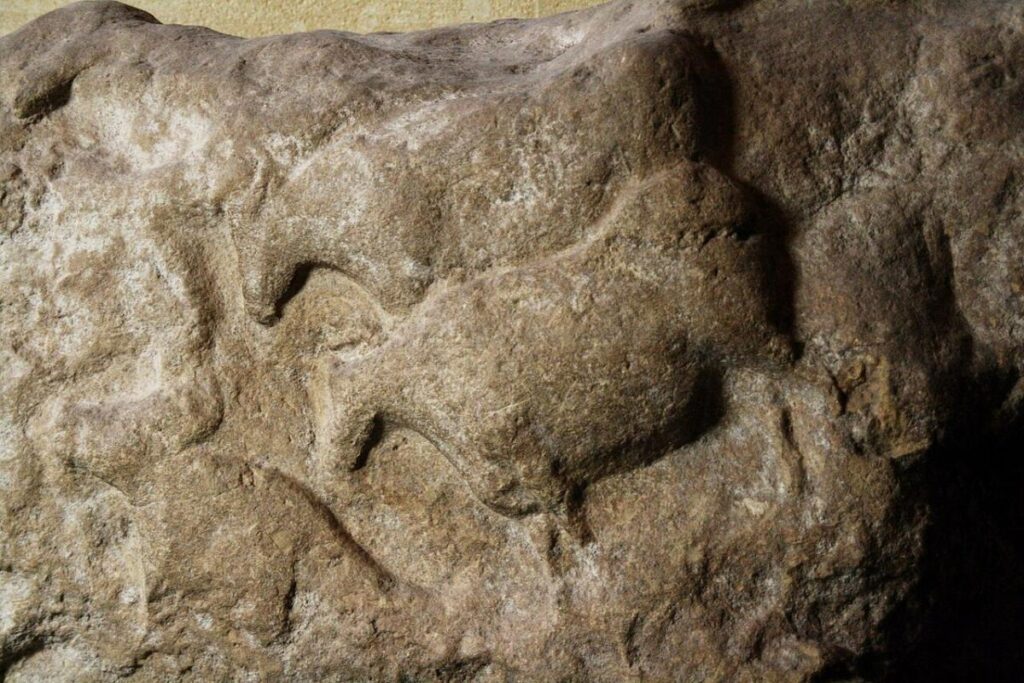
The aurochs, a giant herbivore of the Holocene and a member of the megafauna in the preceding Pleistocene, likely evolved in Asia and migrated west and north during warm interglacial periods. Its presence echoed through the cultural and religious tapestry of ancient peoples, depicted in Paleolithic cave paintings, Neolithic petroglyphs, Ancient Egyptian reliefs, and Bronze Age figurines. Symbolizing power, sexual potency, and prowess in the religions of the ancient Near East, the aurochs became central to the ancient Roman spectacle, where the finest gladiators faced these majestic creatures.

Despite its prominence, the aurochs fell victim to human exploitation and persecution. As human populations expanded and agriculture developed, the aurochs lost its habitat and became the target of hunting for meat, hide, and horns. By the Middle Ages, its numbers had dwindled significantly, surviving only in isolated wilderness pockets. The last known aurochs breathed its last in Poland in 1627, marking the extinction of this magnificent species.
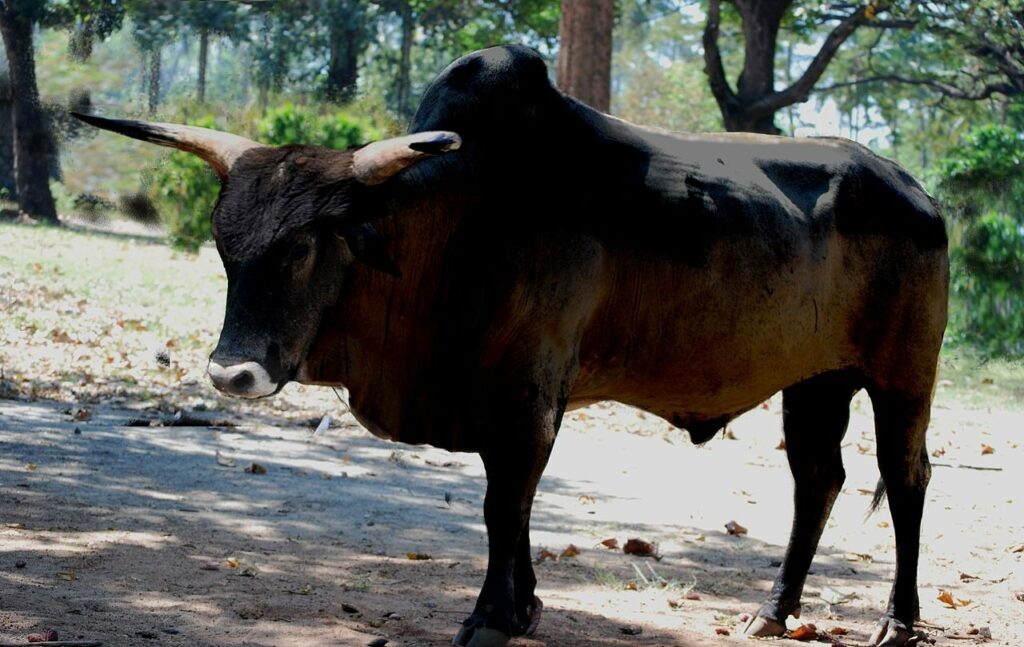
However, the story of the aurochs takes an intriguing turn. While the wild ancestor of modern domestic cattle is no more, its genes endure in some of its descendants. Humans, during the Neolithic Revolution, domesticated two subspecies of aurochs, giving rise to taurine cattle (Bos taurus) in the Near East and zebu cattle (Bos indicus) in India. These domestic cattle, introduced to various regions, interbred with local wild cattle or adapted to different environments, preserving echoes of the aurochs in their features.
Reviving the aurochs becomes conceivable through selective or back breeding, tapping into the ancestral connection it shares with most modern cattle breeds. Initial attempts by Heinz and Lutz Heck resulted in Heck cattle, but these deviated notably from the aurochs in physical traits. Recent endeavors aim for a more faithful recreation, closely resembling the aurochs in morphology, behavior, and genetics.
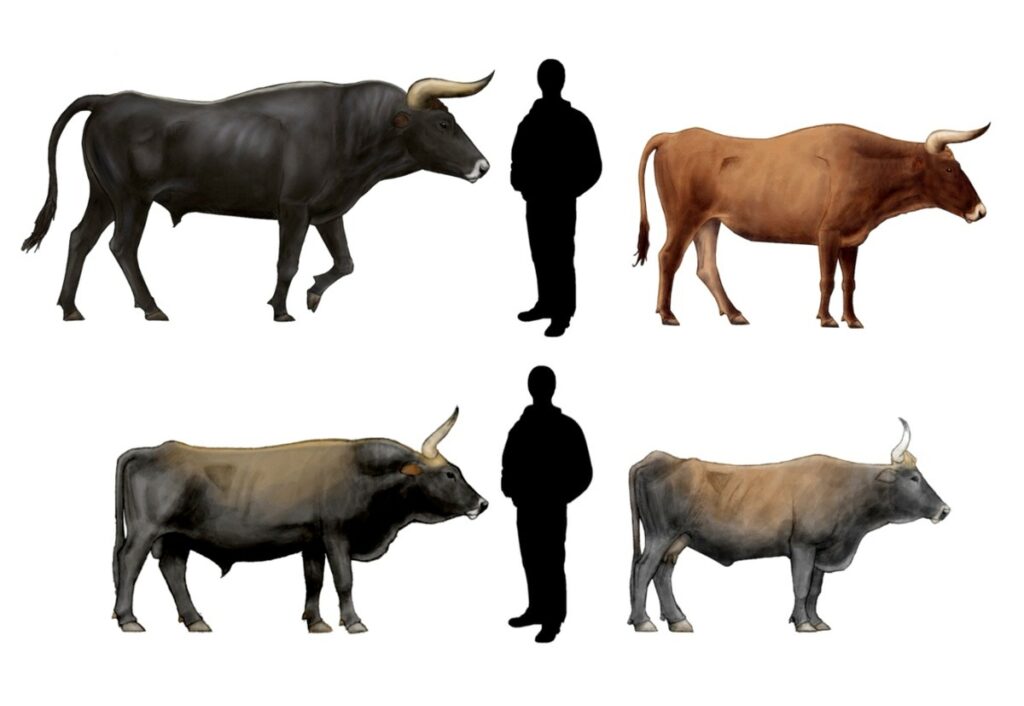
Two pioneering projects, the Tauros Programme in the Netherlands and the Auerrind Project in Germany, lead the resurgence effort. These initiatives, sharing research and breeding stock, draw from historical records, genetic analysis, and artistic representations to guide their breeding goals. Modern breeds carrying substantial portions of aurochs DNA, such as Chillingham white cows, Spanish fighting bulls, and Chianina, contribute to the genetic mosaic.
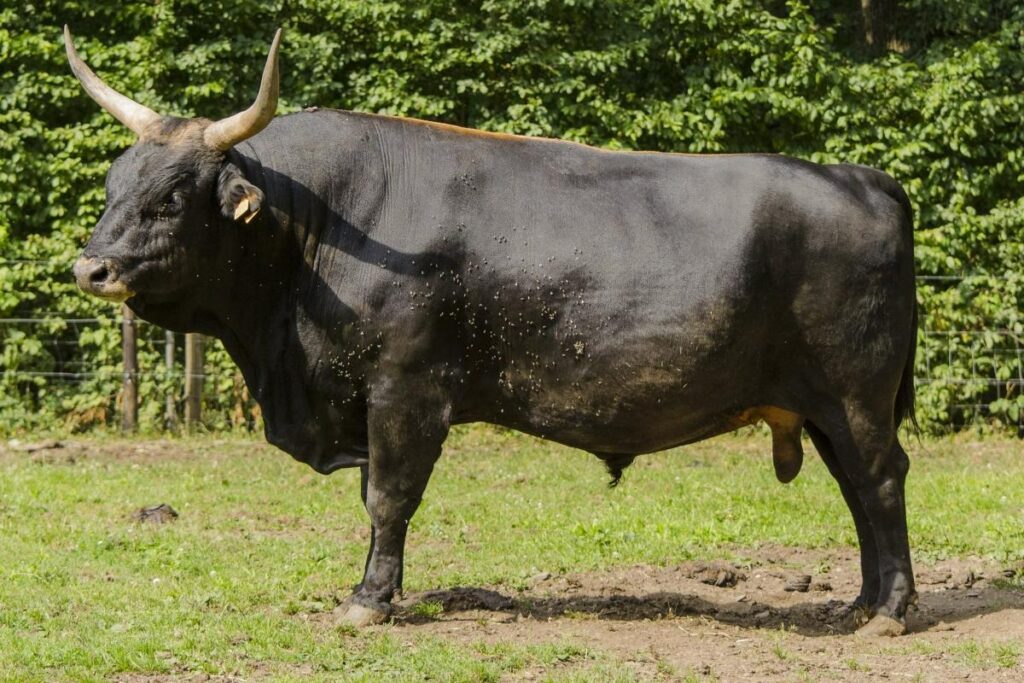
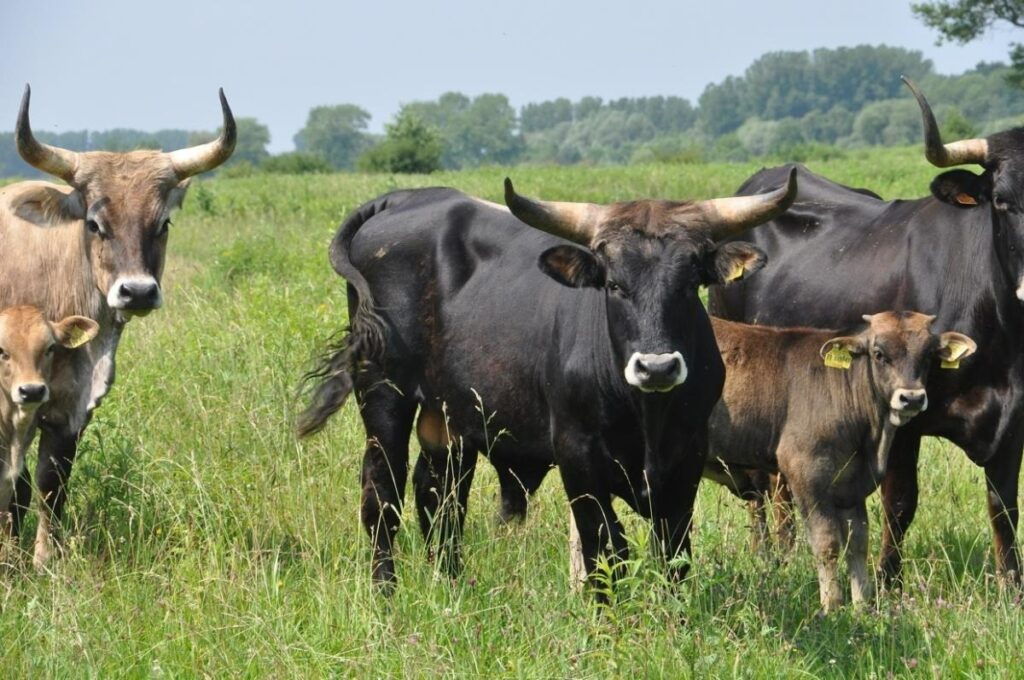
Over the past decade, significant progress has been made, resulting in several generations of animals showing increasing similarity to the original aurochs. Some have been released into nature reserves across Europe, contributing to ecosystem restoration and biodiversity conservation. The projects harbor the ambitious goal of producing an animal genetically indistinguishable from the extinct aurochs within this century.
The revival of the aurochs extends beyond a scientific triumph; it embodies a cultural and ethical endeavor to rectify the damage inflicted on nature. It seeks to restore lost beauty and diversity, paying homage to ancient ancestors who revered the aurochs as symbols of strength and fertility. Bringing back the aurochs from extinction is a poignant act of restoring a part of our own history and heritage, a testament to the resilience of life on Earth.
Leave a Reply