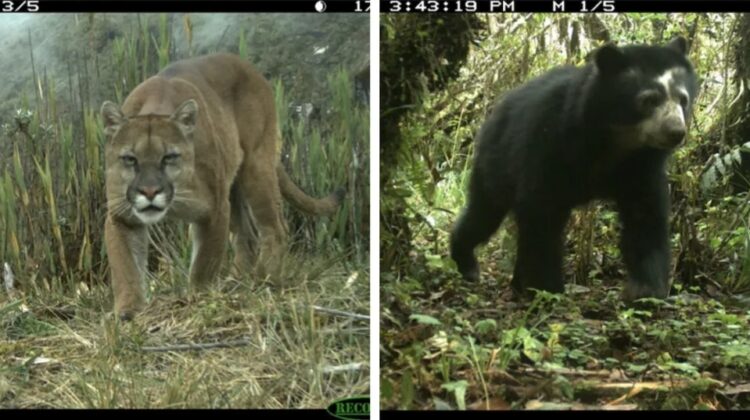
We may never fully comprehend the vast beauty of the natural world. However, thanks to scientists from the Wildlife Conservation Society (WCS), we’ve taken another step toward understanding one small part of the planet. The organization set up hundreds of camera trap stations throughout the Amazon basin for conservation research, capturing images and video footage of wildlife in the area. The findings provide a rare glimpse into the creatures’ daily routines and habits.
“Many of the most cryptic species are incredibly difficult to study because they are so difficult to observe, either because they are rare, shy, nocturnal, or all three (! ), but multiple camera traps left in the forest for 1-2 months or longer can observe them for us,” says Robert Wallace, director of WCS’s Greater Madidi-Tambopata Landscape Program and co-author of the study. “Animals are caught in camera traps when they are least expecting it, such as giant anteaters (Myrmecophaga tridactyla) taking a mud bath, a crested eagle (Morphnus guianensis) drinking and taking a puddle bath, or a puma or cougar (Puma concolor) napping.”
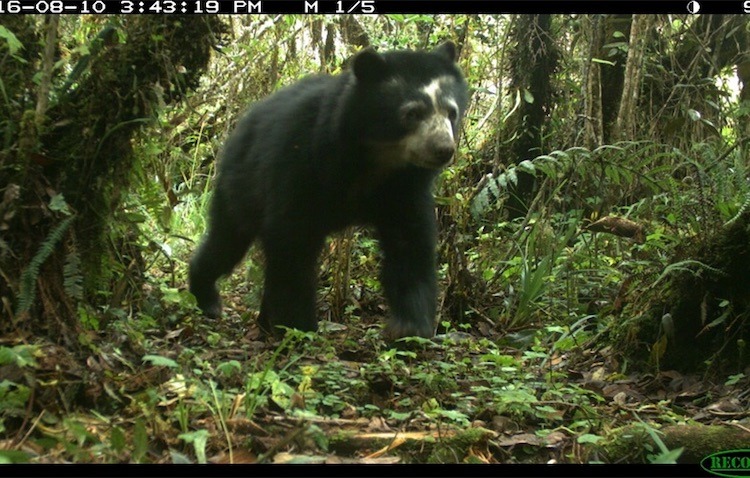
Data was collected from 143 field sites in the Amazon basin over the course of two decades. More than 57,000 images from the WCS were used in a new study involving researchers from more than 100 institutions. The study, which was published in the scientific journal Ecology, gathered over 120,000 images of nearly 300 species from eight Amazon countries: Bolivia, Brazil, Colombia, Ecuador, French Guiana, Peru, Suriname, and Venezuela. The main goal of the study was to create a database of images of Amazon wildlife while also documenting habitat loss, fragmentation, and climate change effects.
It has now become the largest existing photo database of Amazon fauna, thanks to images contributed by the Wildlife Conservation Society. It’s also the first time that images from camera traps across the country have been compiled and standardized in this way. Researchers had 154,123 images of 317 species at the end of the study, including 185 birds, 119 mammals, and 13 reptiles. The spotted or lowland paca (Cuniculus paca), a type of rodent, was the most frequently photographed of all the mammals. The little furry critter was recorded nearly 12,000 times in total.
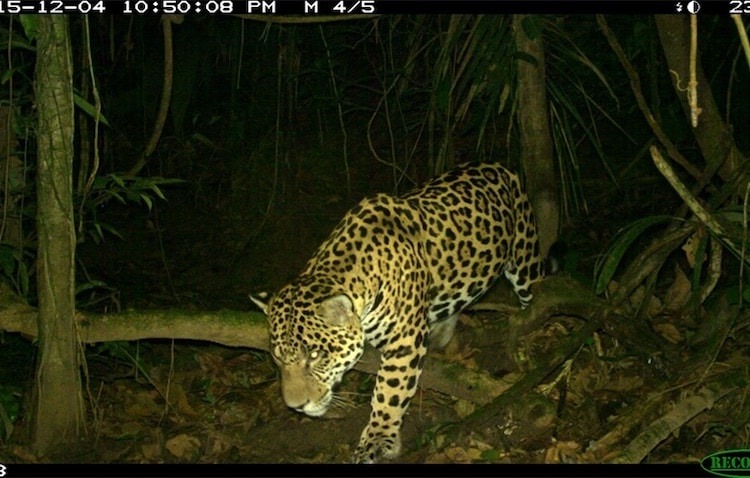
The razor-billed curassow (Pauxi tuberosa), which was photographed over 3,700 times, was the most frequently seen bird. The gold tegu lizard (Tupinambis teguixin) was the most common reptile, appearing 716 times on camera. However, the jaguar (Panthera onca), which some consider the “wildlife symbol of the Amazon,” was the focal species for the majority of the photos in the study.
Camera traps were not used to study wildlife until the early 1990s, despite the fact that they had been around for almost a century. However, they’ve since become a necessary tool for conservation and wildlife research. They’re a simple and non-intrusive way to collect data on the environment, and they’ve only gotten more useful as technology has advanced. This new study emphasizes their significance in a variety of ways.
“With growing concerns about climate change’s impact on wildlife distribution and abundance, this compiled dataset provides a baseline against which we can track change over time,” Wallace says. “It’s also important to note that analytical techniques are constantly evolving, and making these data available is a huge step forward for Amazon science and wildlife.”
Scroll down to see more of the study’s camera trap wildlife photos, and watch the video to see some Amazon wildlife in action.
A recent study in the Amazon basin used camera traps to capture over 120,000 images and video footage of wildlife.

Watch this video to see the fascinating creatures in action.
Wildlife Conservation Society: Website | Facebook | Instagram | Twitter | YouTube
h/t: [Treehugger]
Leave a Reply